International Flamenco Day falls on 16 November. The date is not symbolic and it was not chosen for calendar convenience: it is the exact anniversary of the day UNESCO inscribed flamenco on the Representative List of the Intangible Cultural Heritage of Humanity. That was in 2010, and 2026 marks sixteen years.
What follows is the five things people are actually looking for when they type this date: where the day comes from, what was inscribed, why the inscription names Murcia and Extremadura as well as Andalusia, why the day has two names, and what there is to watch.
16 November comes from a UNESCO meeting in Nairobi
The Intergovernmental Committee for the Safeguarding of the Intangible Cultural Heritage held its fifth session in Nairobi, the capital of Kenya, from 15 to 19 November 2010, at the Kenyatta International Conference Centre. That is where the inscriptions of that year were decided, and flamenco was one of them: nomination file number 00363, submitted by Spain, approved by decision 5.COM 6.39.
The nomination did not start from nothing. Spain had ratified the UNESCO Convention for the Safeguarding of the Intangible Cultural Heritage in 2006, in force for the country since 25 January 2007, and it was that framework that made it possible to file the nomination four years later. That week in Nairobi the committee approved 46 new inscriptions to the Representative List, and flamenco was not the only Spanish case: the same meeting also added the Chant of the Sibyl of Mallorca and the Castells, Catalonia’s human towers. Each stands on its own nomination file and its own community, but all three of the nominations Spain submitted on its own reached the list the same week.
That, and nothing else, is where 16 November comes from.
One difference from the rest of the flamenco calendar is worth marking. Ferias, Holy Week and the festival season shift every year, and their dates have to be checked before anyone relies on them. This one never shifts. It is always 16 November, whatever day of the week that turns out to be; in 2026 it falls on a Monday.
What was inscribed was not a music: it was cante, baile and toque
This is the part that gets summarised worst. The UNESCO entry does not describe a musical genre. It defines flamenco as an artistic expression fusing vocal music, the art of dance and musical accompaniment, known respectively as cante, baile and toque. Three things, and none of them is decoration for the other two.
The description UNESCO uses to define the element in its file — and the ten-minute video that accompanied the nomination, produced in 2009 by the Agencia Andaluza para el Desarrollo del Flamenco — we published at the time, and it is still there: The video to become Intangible Heritage of Humanity. If you are coming to this from further back and want the styles, the history and the names, they are in the Essential Guide to Understanding Flamenco.
What matters here is a different question: what had to be proved for the inscription to go through. The committee found five conditions met, and the first is the clearest statement of what is being protected: that flamenco “is strongly rooted in its community, strengthening its cultural identity and continuing to be passed down from one generation to the next”. What went on the list, then, is not a closed repertoire and not a relic. It is a transmission that is still running, and that was the argument.
That transmission does not happen in the abstract: the nomination places it in dynasties of artists, families, flamenco clubs and social groups, which are the ones that really decide whether the art stays alive from one generation to the next.
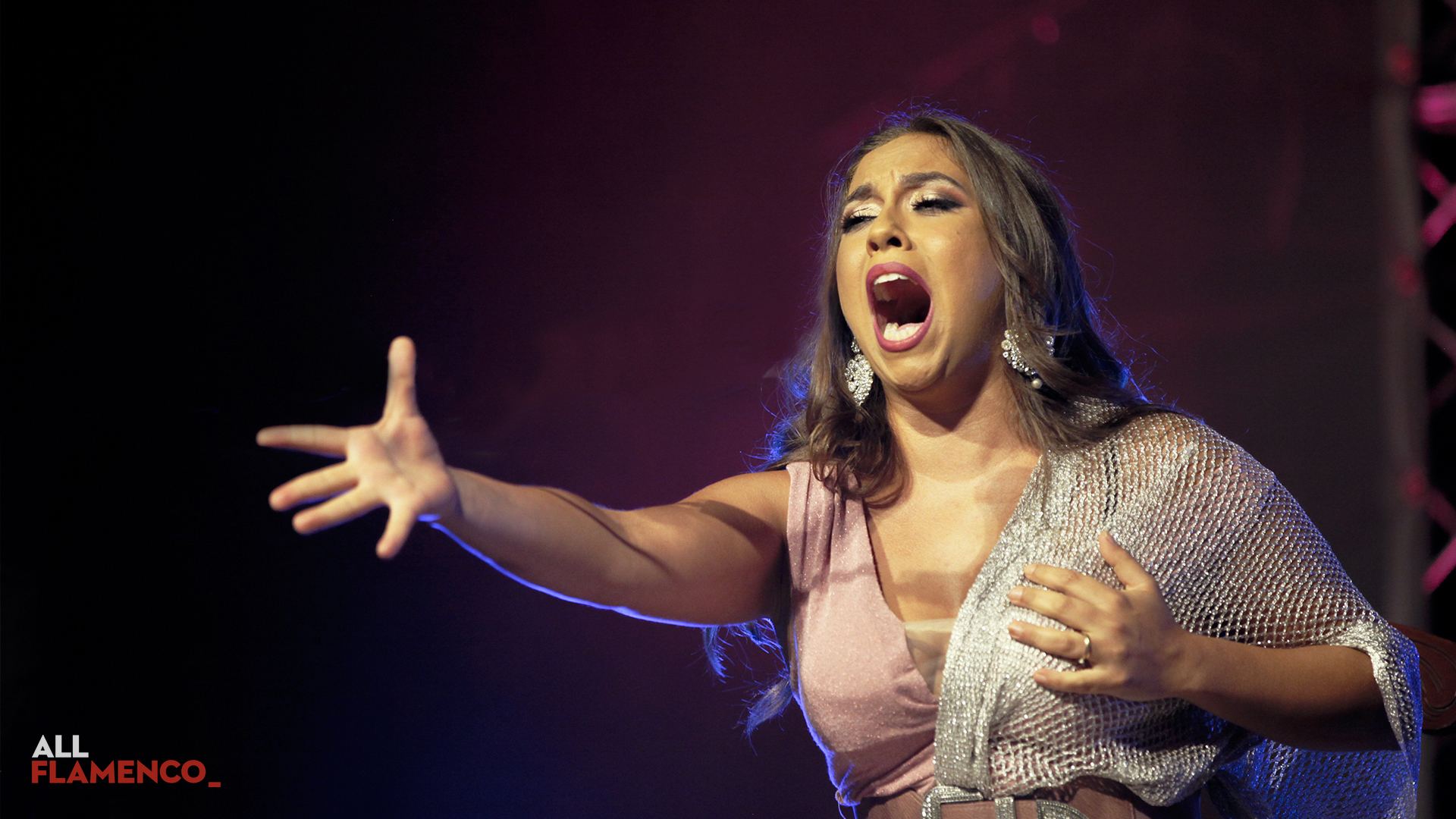
The nomination also describes each element on its own. Cante is performed, almost always solo and seated, by a man or a woman, and it expresses sorrow, joy, tragedy, rejoicing or fear through concise, direct lyrics. Baile is a dance of passion and seduction, and its technique changes with who is dancing it: men lean mainly on the force of the footwork, women on a more sensual range of movement. Toque, the flamenco guitar, the file itself says, long ago outgrew its original role of accompanying the cante, though it is also carried by handclaps, heel-stamping and, at times, castanets.
The other conditions looked beyond the art itself. The second: that the inscription should do some good beyond flamenco, raising awareness of intangible heritage in general and encouraging creativity and respect between communities. The third: that there should be a plan to protect it, with measures already under way or planned, bringing together regional governments, institutions, NGOs, flamenco’s own people and private individuals. And the fourth: that the nomination should be wanted by the artists and aficionados themselves, knowing what was being asked and agreeing to it, not decided over their heads. The Instituto Andaluz del Flamenco, co-author of the file, summed it up in a line that has stuck as a motto: “Flamenco is the Guadalquivir of Andalusian culture, the river that identifies us both at home and abroad.”
The inscription names Murcia and Extremadura, and that is not a courtesy
The entry places Andalusia as the birthplace of flamenco and adds that it also has roots in regions such as Murcia and Extremadura. Plenty of readers take that line for territorial politeness. It is not, and there is a way to check: the fifth condition.
Getting onto the Representative List takes more than importance. The element has to already appear in an official inventory of the country submitting it. And the fifth condition of this nomination was met, in these words: “Flamenco is inscribed in the General Register of Cultural Assets of the Region of Murcia established by the Directorate-General for Fine Arts and Cultural Heritage of the Autonomous Region of Murcia”.
This requirement is not a quirk of flamenco’s own file: it comes from the 2003 Convention for the Safeguarding of the Intangible Cultural Heritage itself, the treaty that created the Representative List in the first place. Its Article 12 obliges every State Party to draw up inventories of its own intangible heritage, and the fifth condition turns that obligation into a nomination requirement: filling in section five of the form, naming the inventory where the element already appears. Without that box filled in, the file is not even considered. The system today also has a hard ceiling: since 2022 the Committee has admitted no more than sixty files a year across its four mechanisms — the Representative List, the Urgent Safeguarding List, the register of best safeguarding practices and requests for international assistance. That ceiling did not exist in 2010, when flamenco was inscribed. The same treaty also explains why the fourth condition, the consent of flamenco’s own people, was required: its Article 11 requires identifying and defining each element “with the participation of communities, groups and relevant non-governmental organisations,” so the free, prior and informed consent the nomination had to show was not a diplomatic courtesy — it is an obligation written into the Convention itself.
So the inventory the UNESCO decision accepts as meeting that requirement is Murcia’s. The same entry also underlines that flamenco is a badge of identity for numerous communities and groups, and in particular for the Gitano (Roma) community, which has played an essential part in its development.
“Flamenco Day in Andalusia” and “International Flamenco Day” are the same day
On that same date, the year after the inscription, the regional government of Andalusia established the Día del Flamenco en Andalucía — Flamenco Day in Andalusia — which is the official name of the commemoration there and still appears among its flamenco programmes. Outside Andalusia it has gradually become known as International Flamenco Day. They are the same day and they commemorate exactly the same thing: what changes is who is doing the naming, not what is being marked.
The Andalusian government states it plainly on its own institutional site, date first: flamenco was included by UNESCO on the Representative List of the Intangible Cultural Heritage of Humanity on 16 November 2010.
Since that first anniversary, the date has also been marked with activities open to the public: talks, exhibitions, concerts and shows staged every 16 November across Andalusia and beyond it.
That safeguarding effort has had a legal framework of its own since 2023. The Ley 4/2023, de 18 de abril, Andaluza del Flamenco — Andalusia’s Flamenco Act — sets out the legal regime for flamenco in the region for its protection, preservation and promotion, creates the Andalusian Flamenco Register and, in its additional provisions, formally establishes Flamenco Day itself as one of its instruments.
What to watch on 16 November: the three elements, one chapter at a time
There is a way of marking the date that follows the inscription to the letter: watch the cante, the baile and the toque separately. Cavilaciones, the documentary series directed by Pilar Távora, gives a chapter to each.
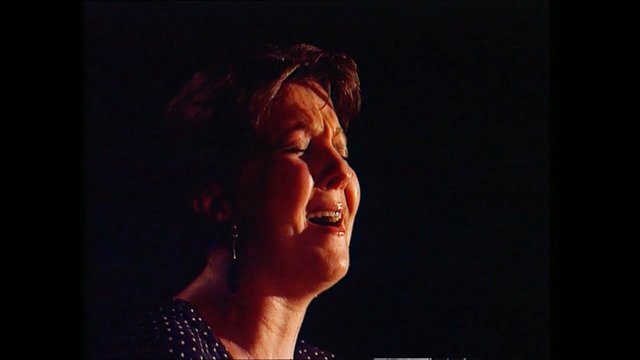
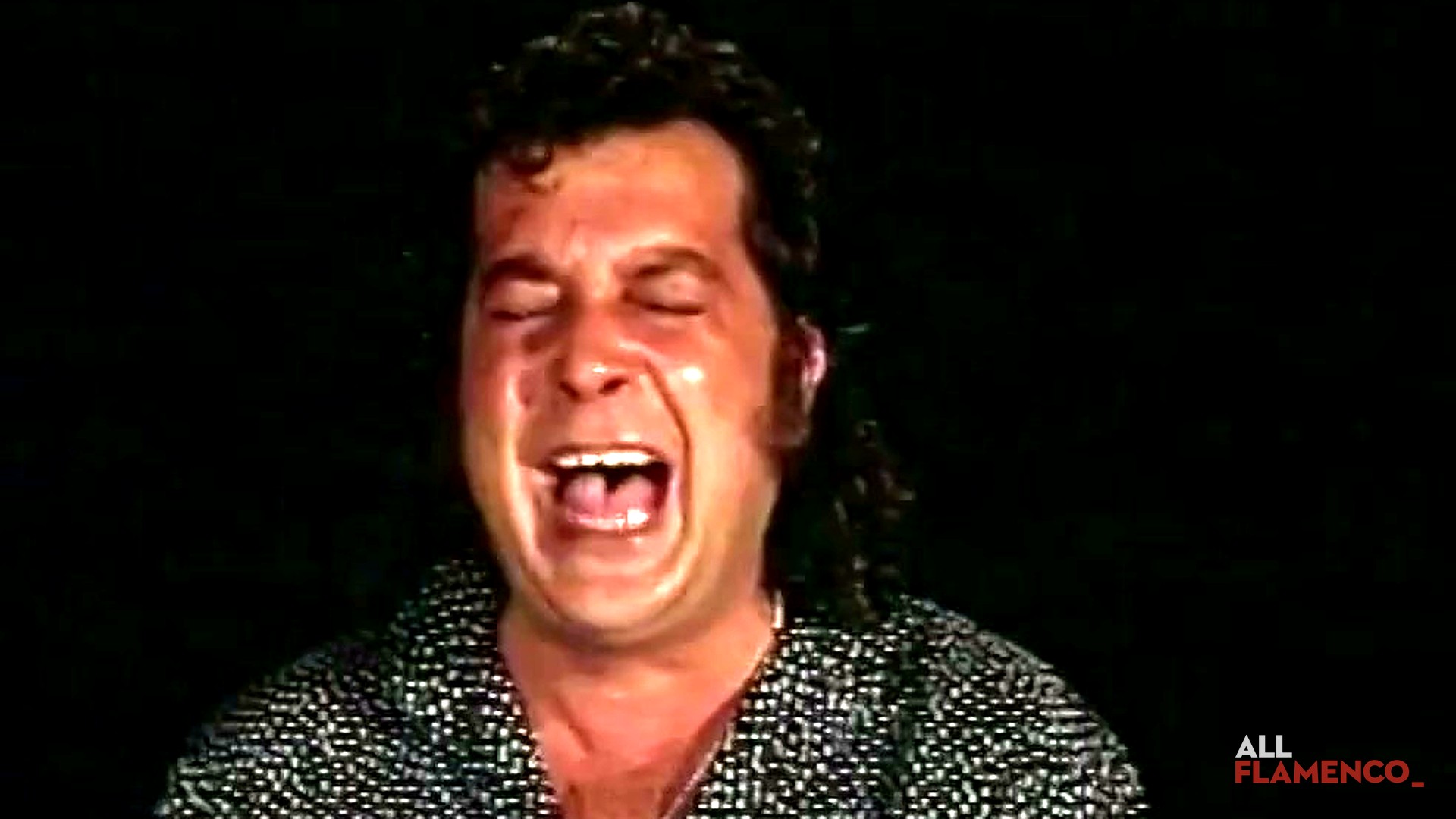
Cante. La Voz del Pueblo (1995, 55 min) works through the history of flamenco with singing as popular expression at its centre, with Chocolate, José de la Tomasa, El Mimbre and Carmen Linares, the guitars of Juan Habichuela and Paco Cortés, and contributions from poets and flamenco scholars. The second part (1995, 1 h 2 min) adds Enrique Morente, José Mercé, José Menese, Chano Lobato and a young Miguel Poveda.
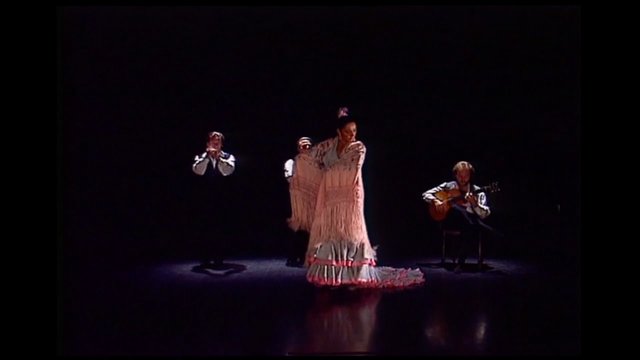
Baile. El lenguaje del cuerpo. El Baile. Part 1 (1995, 1 h) takes dance as the body’s tool of expression, with Milagros Mengíbar, Carmen Ledesma, Carmen Cortés, Diego de Margara and Triana Pura. Part 2 (1995, 1 h 1 min) brings together La Farruca, Concha Vargas and María del Mar Berlanga, with Chano Lobato singing.
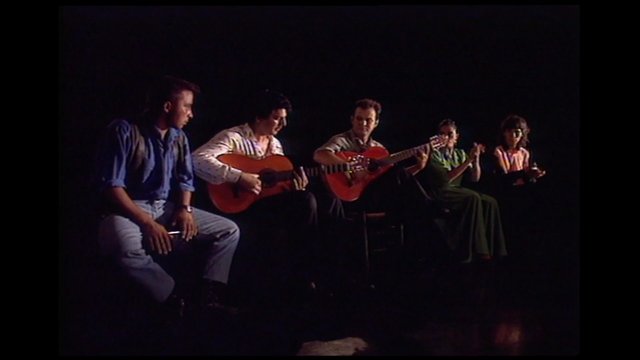
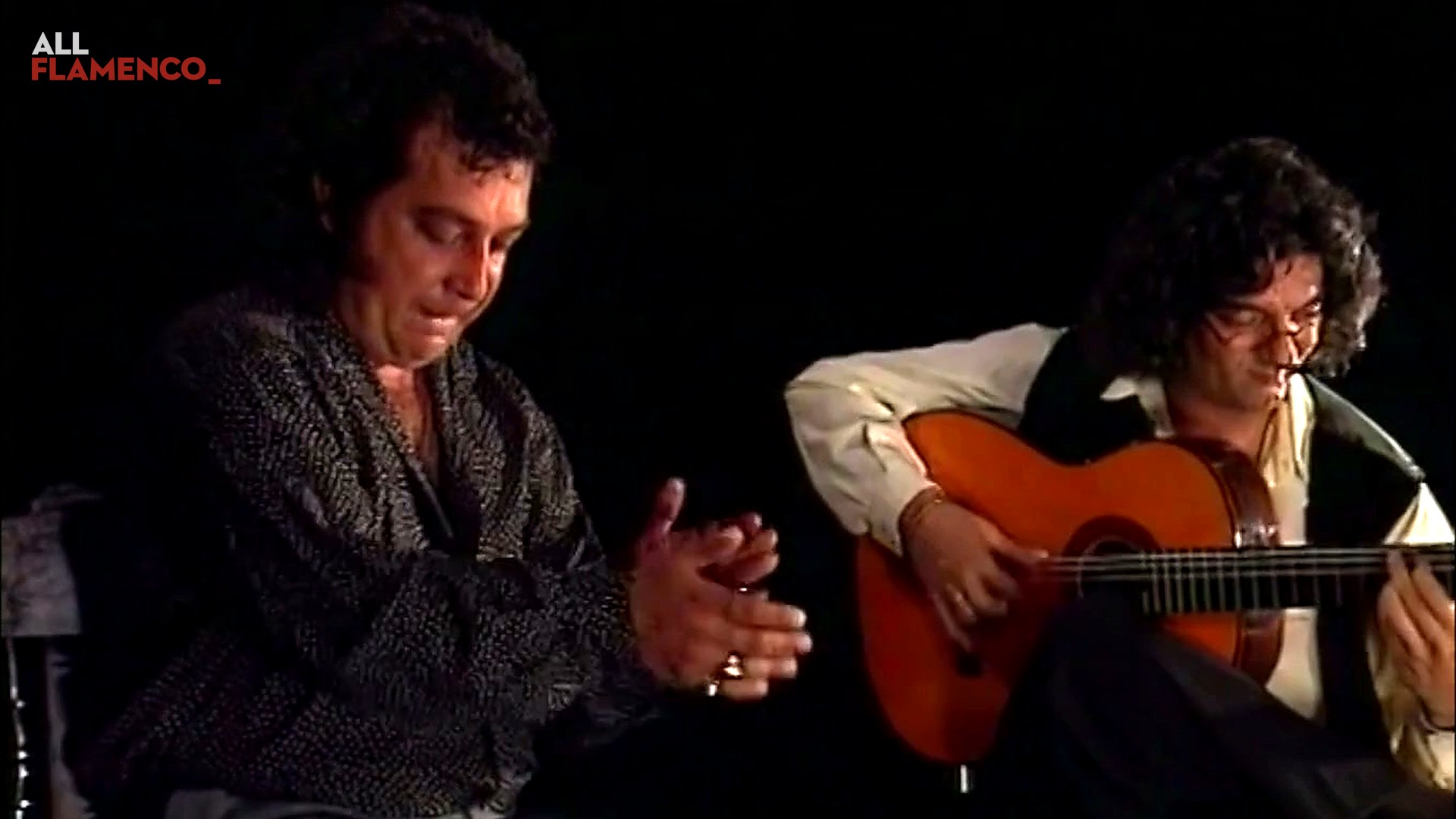
Toque. Rasgando el aire (1995, 1 h 1 min) is given over to the guitar, with Vicente Amigo, Gerardo Núñez, Gerónimo Maya, Quique Paredes and J. Manuel Cano, plus the Orquesta Andalusí de Tetuán bringing the colour of Maghrebi music into the flamenco guitar.
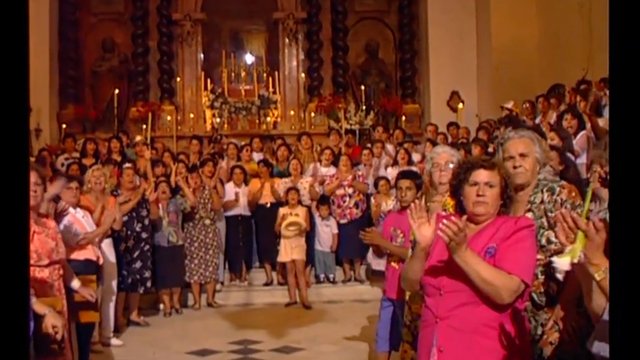
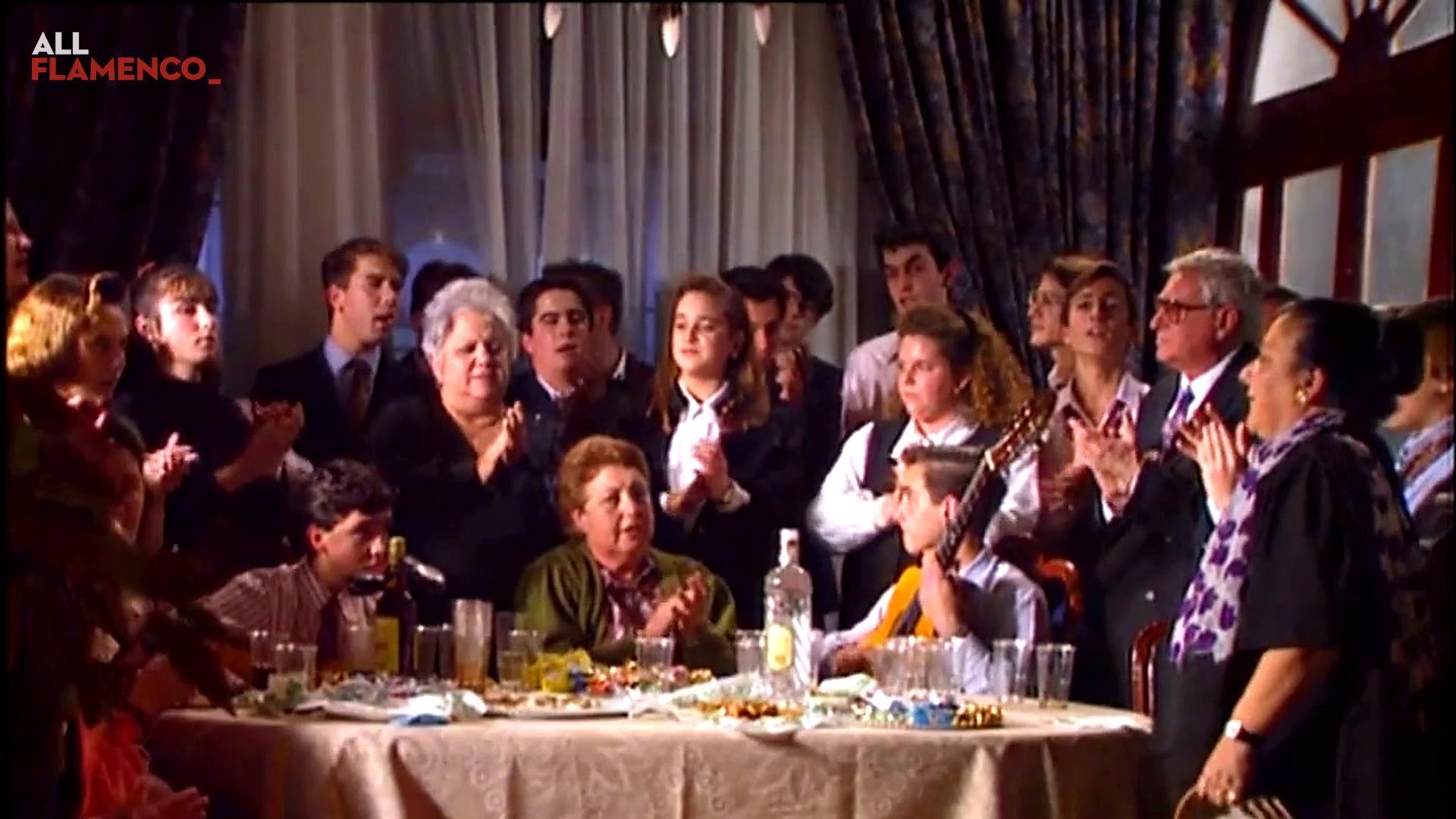
A fourth chapter completes the picture. The UNESCO entry notes that flamenco is performed at religious festivities, rituals and celebrations: that is the subject of En el ritual (1996, 1 h 2 min), on the part flamenco plays in Andalusian festivities, Holy Week included.
For the two regions the inscription names alongside Andalusia, the catalogue has material of its own. From Extremadura, Flamenco from Badajoz (2020, 1 h) tells the history, the styles and the roots of flamenco in the province through the artists themselves, with Remedios Amaya, Francisco Escudero “El Perrete” and Antonio Silva “El Peregrino” among others. And from the mining country of the Levante, Matías López “El Mati” singing mineras (2020, 7 min) is the style that won him the 2019 Lámpara Minera, accompanied by David Caro on guitar and Javier Rabadán on percussion.
All of it is there in full in the ALL FLAMENCO catalogue, and there is a good deal more of it than fits into one day.