
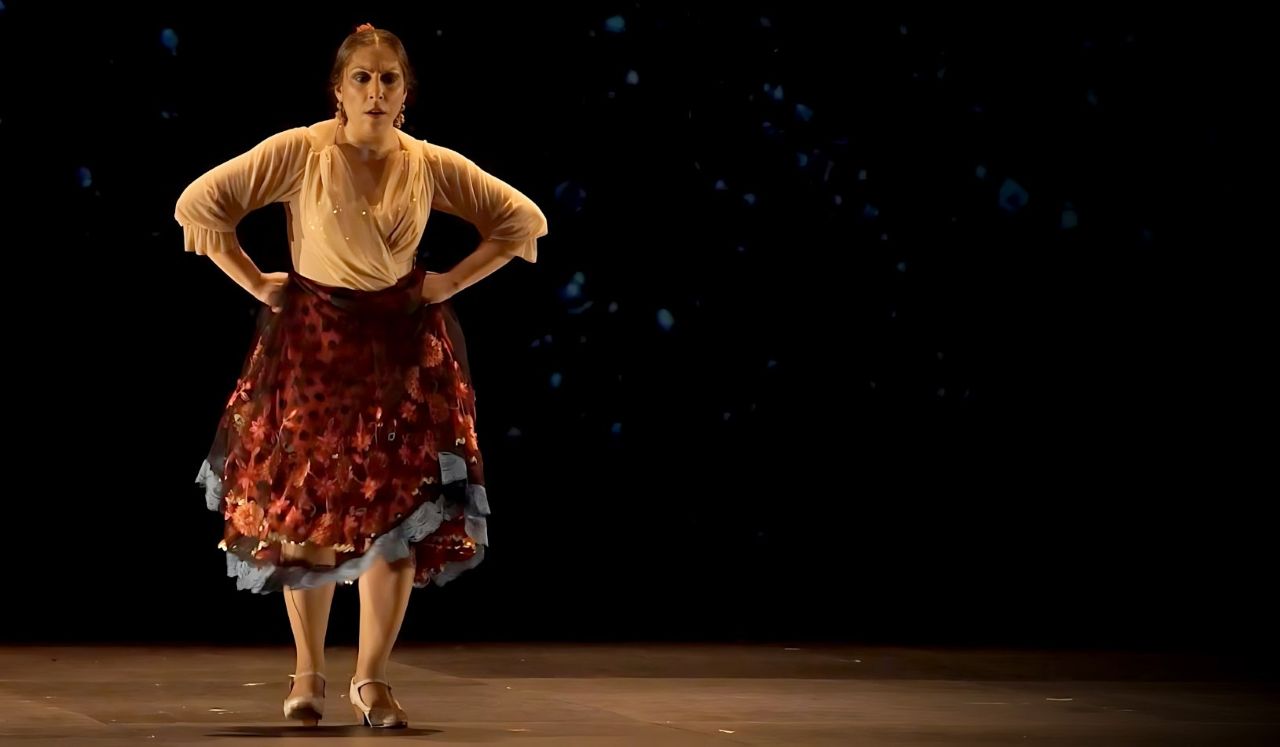
The festive soul of flamenco: dancing bulerías
Few expressions in flamenco evoke as much life, spark, and spontaneity as dancing bulerías. This jondo palo, born from the popular pulse and rhythmic wit, is a total art form: a fusion of singing, guitar, and dance that reaches its full expression in celebration, on stage, and in emotional communion. In this comprehensive guide, we explore its history, compás (rhythm cycle), structure, styles, key performers, and resources to learn and enjoy it.
1. What is dancing bulerías?
Bulerías dance is one of the most expressive and rhythmically complex forms in flamenco. Unlike more structured palos, here the priority is dialogue with the singer, connection with jaleo (encouragement), and improvisation within rhythm. It may have a choreographed base, but true bulerías dancing requires deep listening, on-the-spot creativity, and an authenticity that can’t be faked.
This dance is popular in festive gatherings, flamenco peñas (clubs), and tablaos, where bulerías often serve as the grand finale. At the same time, it has also been elevated to theatrical art by top choreographers.
2. History of bulerías dance
Bulerías originated in Jerez de la Frontera, evolving from soleá por bulerías. Its festive character and fast tempo quickly made it a staple for closing performances and parties. Over the 20th century, it gained recognition as a standalone palo, not only in singing and guitar playing, but especially in dance.
From the patios of Triana to the stages of Paris and Tokyo, bulerías has become a flamenco ambassador. Legendary artists like Antonio Gades, Manuela Carrasco, and Joaquín Grilo have brought bulerías dance to new heights of artistic and theatrical expression.
3. Rhythm and structure of the dance
The bulerías compás is one of the most iconic and complex in flamenco: a 12-beat cycle with accents on beats 12, 3, 6, 8, and 10. This creates a rich rhythmic canvas, offering endless possibilities for improvisation.
Core elements of a bulerías dance:
- Marcaje: basic marking steps that set the rhythm and personal style.
- Llamada: a call to the singer or guitarist to begin a section.
- Letra: dancing to a sung verse, often with expressive gestures.
- Escobilla: a footwork section showcasing rhythm and technique.
- Remate and cierre: a strong finish, often dramatic or virtuosic.
Every performer personalizes this structure, and no two bulerías dances are ever the same.
4. Key figures and personal styles
Bulerías dance is a language, and every dancer speaks it differently. Notable figures include:
- Manuela Carrasco: powerful presence with Sevillian roots.
- Joaquín Grilo: elegant, rhythmic, and theatrical from Jerez.
- Juana Amaya: raw intensity and Gypsy passion.
- Pastora Galván: fresh, humorous, and avant-garde.
- Antonio Canales: theatricality and bold creativity.
- Macarena Ramírez: commanding stage presence, flawless technique, and a deep expressiveness rooted in tradition but open to contemporary flair.
Each region brings its flavor: Jerez’s bulerías are earthy, Sevilla’s are more theatrical, and Cádiz offers a lyrical elegance.
5. Bulerías on stage
Today, bulerías often serve as the climax of flamenco shows. On ALL FLAMENCO, you can watch productions that showcase this palo at its best, including:
- “Petisa Loca” by Sara Calero
- Performances by La Moneta in Granada
- “Vamo’ allá” by Flamenconautas
- “En la Raíz del Grito” by Rafael Estévez and Valeriano Paños
- “8 letras, 8 palos” by Macarena Ramírez, where her bulerías performance dazzles with power and stage mastery.
All filmed in 4K and available on the platform to study every detail: from zapateado (footwork) to interaction with the cante and toque.
6. Bulerías in flamenco gatherings
Beyond the stage, bulerías thrives in informal settings. It’s the ultimate fin de fiesta. Sung, clapped, and danced freely, it allows for spontaneous expression within the rhythm.
In peñas and flamenco bars in Jerez or Seville, it becomes a collective ritual. Not a show, but a shared moment: a well-danced bulerías invites, excites, and unites. It’s flamenco in its purest form.
7. Learning to dance bulerías
Many flamenco lovers dream of dancing a bulerías. To begin:
- Listen a lot: cante and palmas are the foundation.
- Learn the 12-count compás structure.
- Start with simple marcaje.
- Don’t fear mistakes: they are part of the learning.
On ALL FLAMENCO, you can watch masterclasses by Juan Campallo, Noelia Sabarea, Siudy Garrido and others to get started with solid foundations.
8. Where to watch and enjoy
🎥 EXPERIENCE POWERFUL BULERÍAS MOMENTS ON ALL FLAMENCO
Explore unforgettable shows, recitals, classes, and curated playlists. Watch flamenco as it lives and breathes.
Available on:
🇪🇸 Spain – Local TV operators
🇫🇷🇨🇭 France and Switzerland – Orange (channel 438), SFR, Bouygues, Free, and Salt
📺 Amazon Prime Video Channels
💻📱 And of course, online anytime, anywhere
👉 Visit www.allflamenco.net
9. Frequently Asked Questions (FAQ)
How do you count bulerías rhythm?
It follows a 12-beat cycle with accents on 12, 3, 6, 8, and 10. Learning to clap and step in time with this pattern takes practice but is key to understanding the dance. Listening to traditional recordings and following along with palmas is a great start.
Do I need to dance to enjoy bulerías?
Not at all. Enjoying bulerías starts with listening, watching, and feeling the rhythm. Whether clapping along, encouraging performers, or just appreciating the energy, you’re already part of it.
What’s the difference between bulerías and soleá por bulerías?
Soleá por bulerías is slower and more meditative, often used as a prelude to bulerías. It retains the 12-count rhythm but with a different emotional tone.
Where can I watch good bulerías online?
ALL FLAMENCO offers an extensive catalog of top-tier performances by master dancers. Just search “bulerías” or explore curated playlists.
Can I learn bulerías from home?
Yes! Online masterclasses and regular practice make learning possible from anywhere. Complement with in-person classes if you can.
Final Note
Bulerías is art, ritual, and passion. Its dance unites discipline with freedom, technique with duende. Discover it on ALL FLAMENCO through shows, classes, and handpicked highlights.
Start watching. Start feeling. Maybe even start dancing.