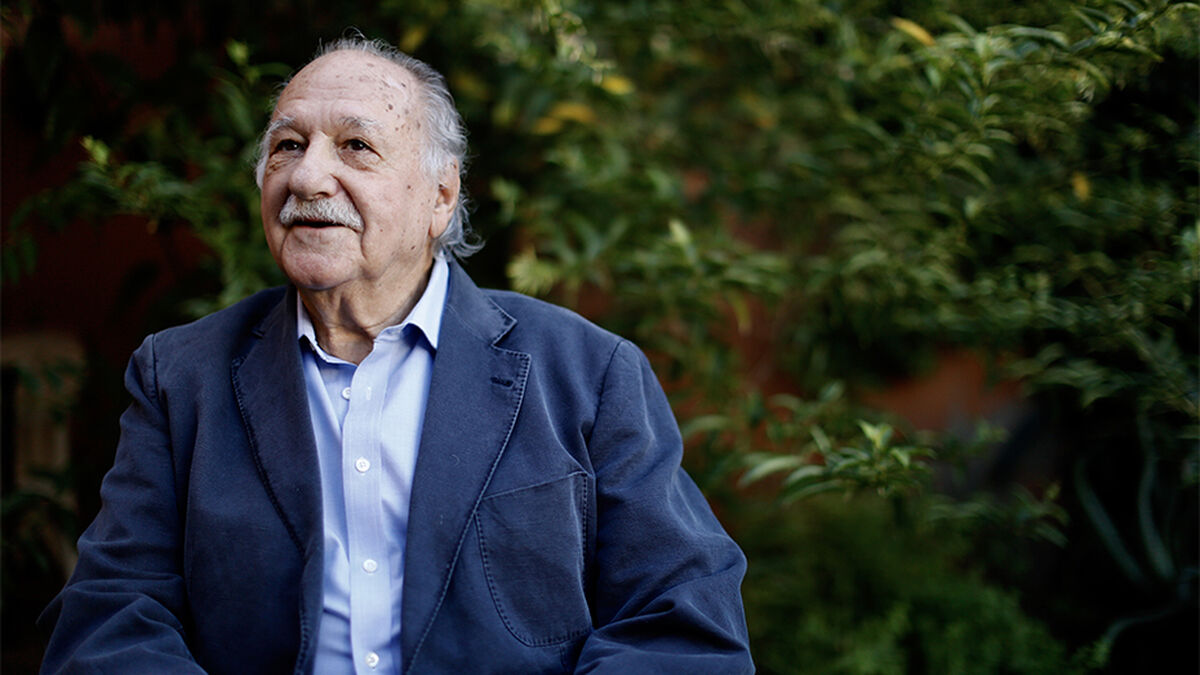
People who type «Ricardo Pachón» into a search box usually arrive with the same question underneath: who exactly was the man whose name sits in the credits of half a dozen records that changed the course of flamenco. Pachón died on 19 August 2026 in Seville, the city where he had been born 89 years earlier; none of the outlets that reported it gave a cause. The short answer to the usual question is that he was the producer. The long one starts here.
A producer, arranger, composer and documentary maker, born in Seville in 1937 with a law degree, Pachón was behind Camarón de la Isla’s «La leyenda del tiempo», the first Lole y Manuel records, the Veneno debut and the career of Pata Negra; he also worked with Rocío Jurado and with Rafael Riqueni, and was director of the Instituto Andaluz del Flamenco. What follows is what he actually did in each of those places, why it cost him dearly at the time, and what you can watch of his work today without leaving our catalogue.
Each of those chapters gets its own section further down: first the records that redrew Andalusia’s musical map before Camarón, then the record that changed the rules of the game, and finally the lesser-known work with Roma memory that explains why, at 89, he was still opening his front door to a camera. None of those three chapters is fully understood without the other two: anyone who stops at «La leyenda del tiempo» misses why Pachón got there in the first place, and anyone who stops at the producer misses that, for him, all of it was also a way of telling a community’s story.
Seville, 1937: a law graduate who ended up in the studio
He did not come to flamenco through academia, and not through the picturesque cliché either. Born in Seville in 1937 with a law degree, Ricardo Pachón built his own way of looking at Andalusian art from cultural management and audiovisual production, and from one very specific curiosity: the people, the sounds and the places where flamenco became true.
He also worked in the culture department of the Diputación de Sevilla, of the Junta de Andalucía and of RTVE, mostly on documentaries and programmes about flamenco.
That background explains how he worked better than any label does. Some producers organise sessions, fix takes and see a project through. Others, far rarer, spot a historical shift before anyone knows what to call it. Pachón was the second kind: in the seventies he started working with Smash and pushing crossovers that look natural now and sounded like heresy then.
It is worth saying what he was not, because that is where he is most often misread. He did not modernise flamenco to make it easier to sell, or to bolt it onto a passing fashion. What he did was listen to what was already moving in the street, in the Roma community, in the poetry and in the counterculture of an Andalusia that was changing — and give it the shape of a record.
Lole y Manuel, Veneno and Pata Negra: what he rearranged before Camarón
He had already redrawn the Andalusian musical map before Camarón, and that stretch usually gets buried under what came afterwards.
Lole y Manuel‘s first record, «Nuevo día» (1975), lined up four elements: Lole Montoya’s voice, Manuel Molina’s guitar, Juan Manuel Flores’s lyrics and Pachón’s own ear, which put instruments no one had used in flamenco before — a mellotron among them — onto a flamenco record. It came out with no promotion and still turned into a critical and commercial success. In 1977 he produced the self-titled Veneno debut, the record made by Kiko Veneno and the brothers Rafael and Raimundo Amador: it is a cult record today, and it opened a route where flamenco, rock, the street and creative freedom shook hands. When Veneno split up, the Amador brothers carried on as Pata Negra, and Pachón stayed with them on «Rock gitano» (1983), «Guitarras callejeras» (1986) and «Blues de la frontera» (1987), consolidating that ability to connect roots and the present day without domesticating either of them.
The interesting part is not the list of titles but the fact that all three are the same operation: spotting the energy of a moment. Andalusia needed to express itself differently, to tell its own identity without asking permission and to mix codes without apology. Pachón understood that the movement was not a betrayal of the root; it could, in fact, intensify it.
«La leyenda del tiempo» (1979): the provocation that is now studied
This is the point of no return, and it is worth telling without the varnish that time has applied to it.
When «La leyenda del tiempo» came out in 1979 it was not received as a masterpiece. Quite the opposite: much of the audience and most of the conservative wing of flamenco took it as a provocation. The record widened what flamenco could imagine and proved that modernity could also sound deeply true — but all that was understood later.
Pachón’s role in the process was not that of an administrative companion to genius. It was the role of someone who turns an artistic hunch into a sound architecture that holds up: Camarón took cante into new territory without losing an ounce of intensity, and the producer helped give that leap a shape, understanding something almost nobody was willing to sign at the time — that today’s scandal can be tomorrow’s tradition.
This is not an isolated opinion: he is, without much qualification, regarded as the most influential producer in the history of nuevo flamenco. That is the most useful lesson in his whole career: the history of flamenco often moves forward thanks to whoever dares to hear what has not been accepted yet. The other side of that story, the singer’s, is told separately in Camarón de la Isla: 75 years since the birth of the singer who changed flamenco history.
Triana and Roma memory: why his work looks at the neighbourhoods
Reducing Pachón to «the producer of La leyenda del tiempo» leaves out half of him. Besides records he researched, recorded, archived and directed documentaries, and running through all of it is one constant worry: the loss of the human settings that held up cante, guitar and dance when they were passed on organically.
His approach to Triana, and to the expulsion of the Roma community from that neighbourhood in the nineteen-fifties, sat at the centre of that concern; it was an uprooting that left a deep cultural and human mark. For Pachón, flamenco could not be separated from the community that made it grow, nor from the pain of those who watched their spaces of daily life and transmission disappear.
That same outlook took the shape of a film in «Triana pura y pura», the documentary he directed about the concert the neighbourhood’s expelled Roma families gave on 28 February 1983 at the Teatro Lope de Vega in Seville to say goodbye to it, decades after the eviction. The film was nominated for the Goya for best documentary in 2014.
That same instinct for preservation led him to keep his own archive of recordings from private flamenco gatherings, alongside the records he signed as producer, and to take part in the three-part documentary series «Para Camarón, el tiempo se hizo leyenda». They are pieces of the same work: not just producing the record, but keeping what happened around it.
What makes this valuable is that he did not turn the memory into sentimental scenery: he treated it as a structural part of flamenco. Talking about certain styles, certain neighbourhoods or certain ways of celebrating and of suffering also means talking about community, exclusion and cultural survival.
His position was that flamenco cannot be analysed from recordings and famous names alone. You also have to look at neighbourhoods, parties, families, displacements, social wounds and urban change: what happens when a community loses its territory, when a way of living together breaks, or when a tradition ends up as merchandise stripped of the fabric that produced it.
His death was felt beyond flamenco. Spain’s copyright society, SGAE, said contemporary Spanish music cannot be explained without his contribution to Andalusian rock and nuevo flamenco. Andalusia’s regional culture minister, Patricia del Pozo, mourned his death and called him a «great collaborator with artists» capable of «opening new paths», and «an essential figure of music, and above all of flamenco». In 2021 he had received the Leyenda del Flamenco award, presented on 16 November at the Venta de Vargas in San Fernando (Cádiz) on a proposal from Flamenco de la Isla. The Venta de Vargas was no ordinary setting for that award: it was there, in the early 1970s, that Pachón had met Camarón, back when he worked in the furniture trade — he found the singer crying at the door after a foreign tourist had fallen on his guitar and broken it. His death was reported the same day by outlets including ElDiario.es, Forbes and Sevilla Actualidad, among others, and they all drew the same portrait: the Sevillian who took flamenco into places no one else had dared to.
And this was not an idea that stayed inside interviews: you can watch it applied, with his name in the credits, in the section below.
What you can watch of Ricardo Pachón on ALL FLAMENCO today
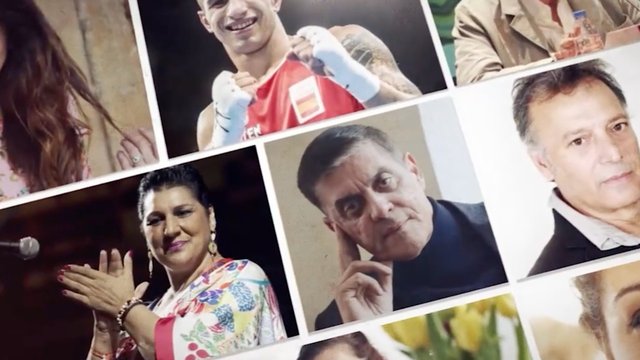
There are two works in the catalogue where Ricardo Pachón appears with his name in the credits, not as a guest and not as the subject of a conversation. The first is «Cultura Gitana, Cultura Universal» (2020, 63 minutes), where he is credited as producer: it is the documentary commemorating the XII edition of the Instituto de Cultura Gitana awards, handed out every 8 April, the International Day of the Roma People. Pilar Távora directs, and the people who pass in front of the camera include El Lebrijano, La Chana, Manuela Carrasco, Remedios Amaya, Esperanza Fernández, Pepe Habichuela, Antonio Canales, Rancapino, Antonio el Pipa, Los Chunguitos, the Morente family and the Roma men and women of Sacromonte.
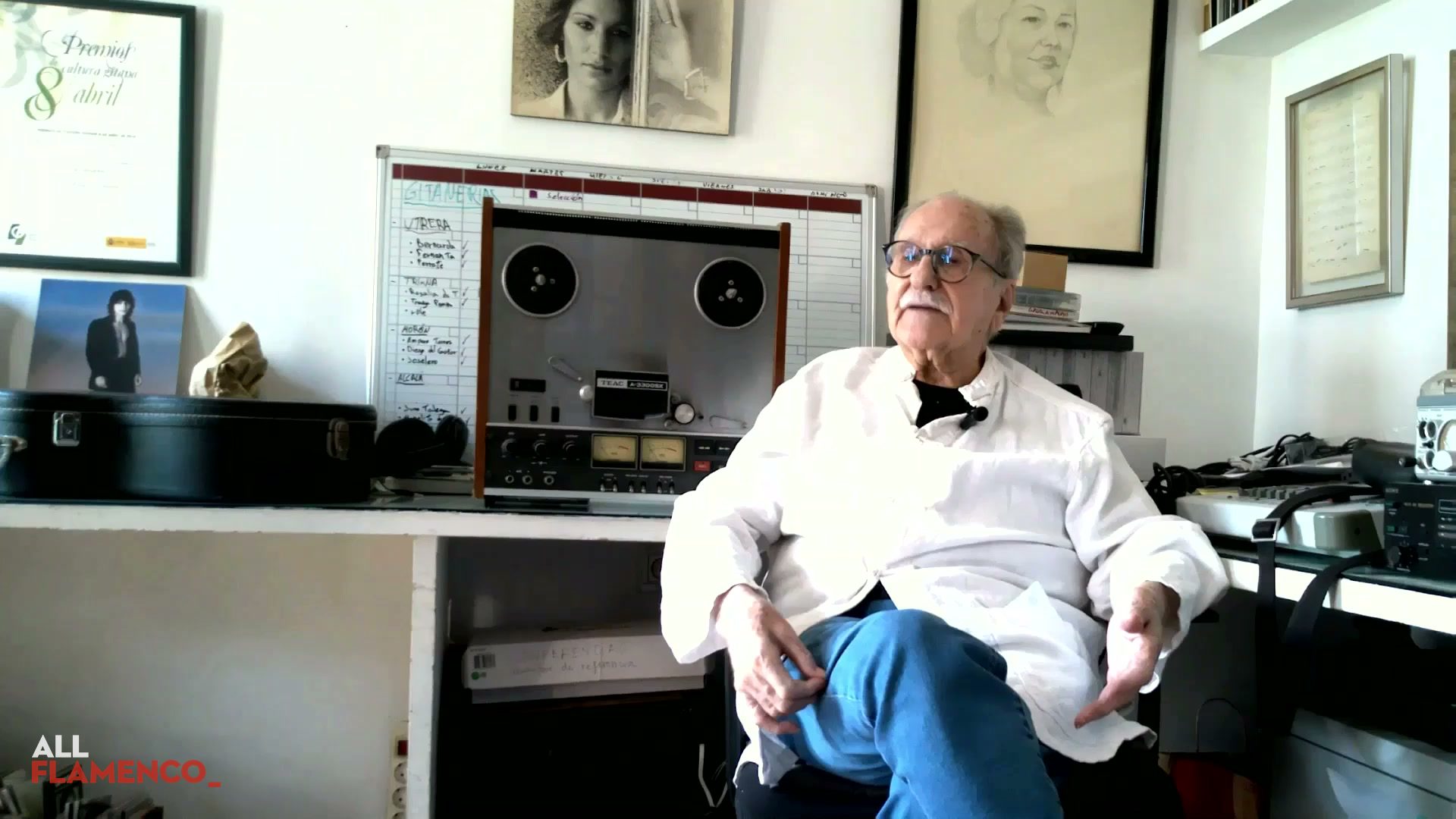
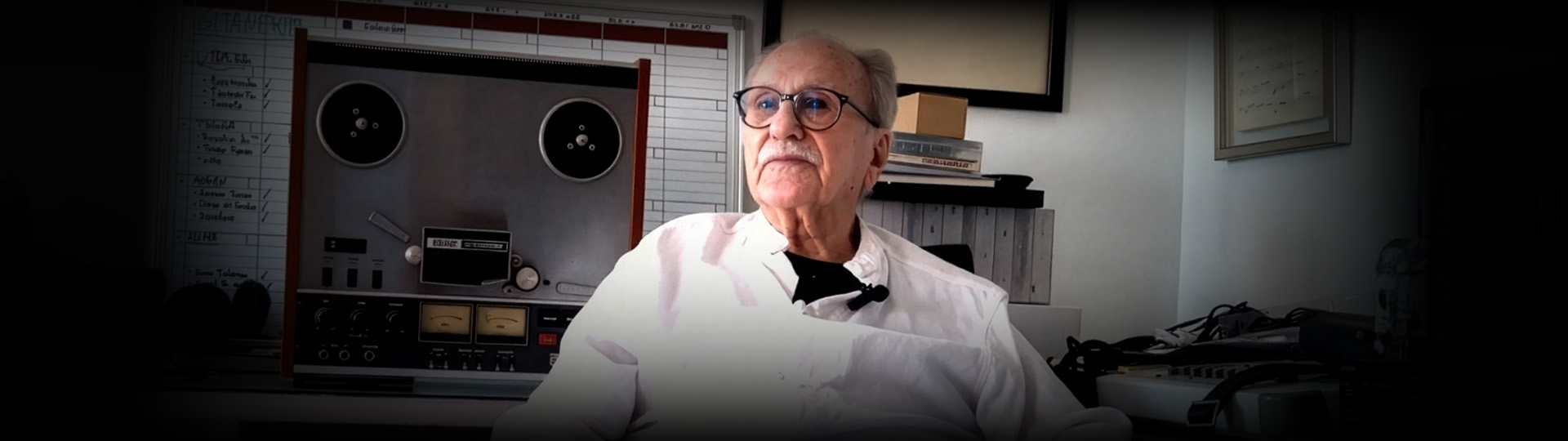
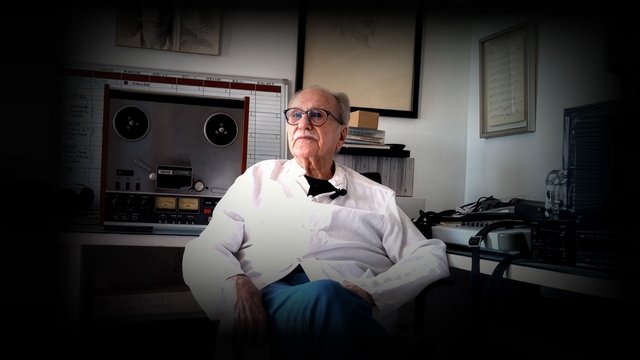
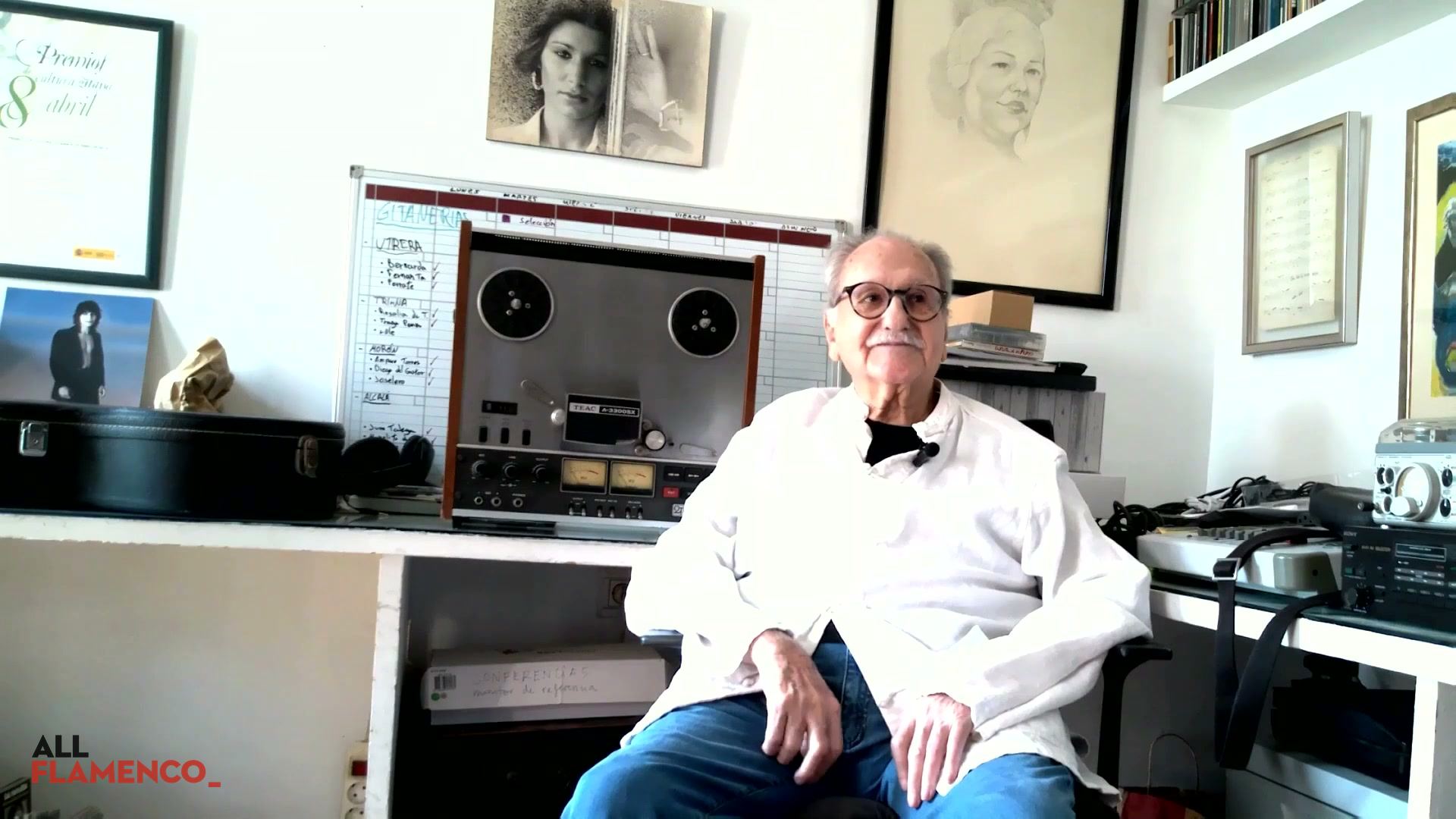
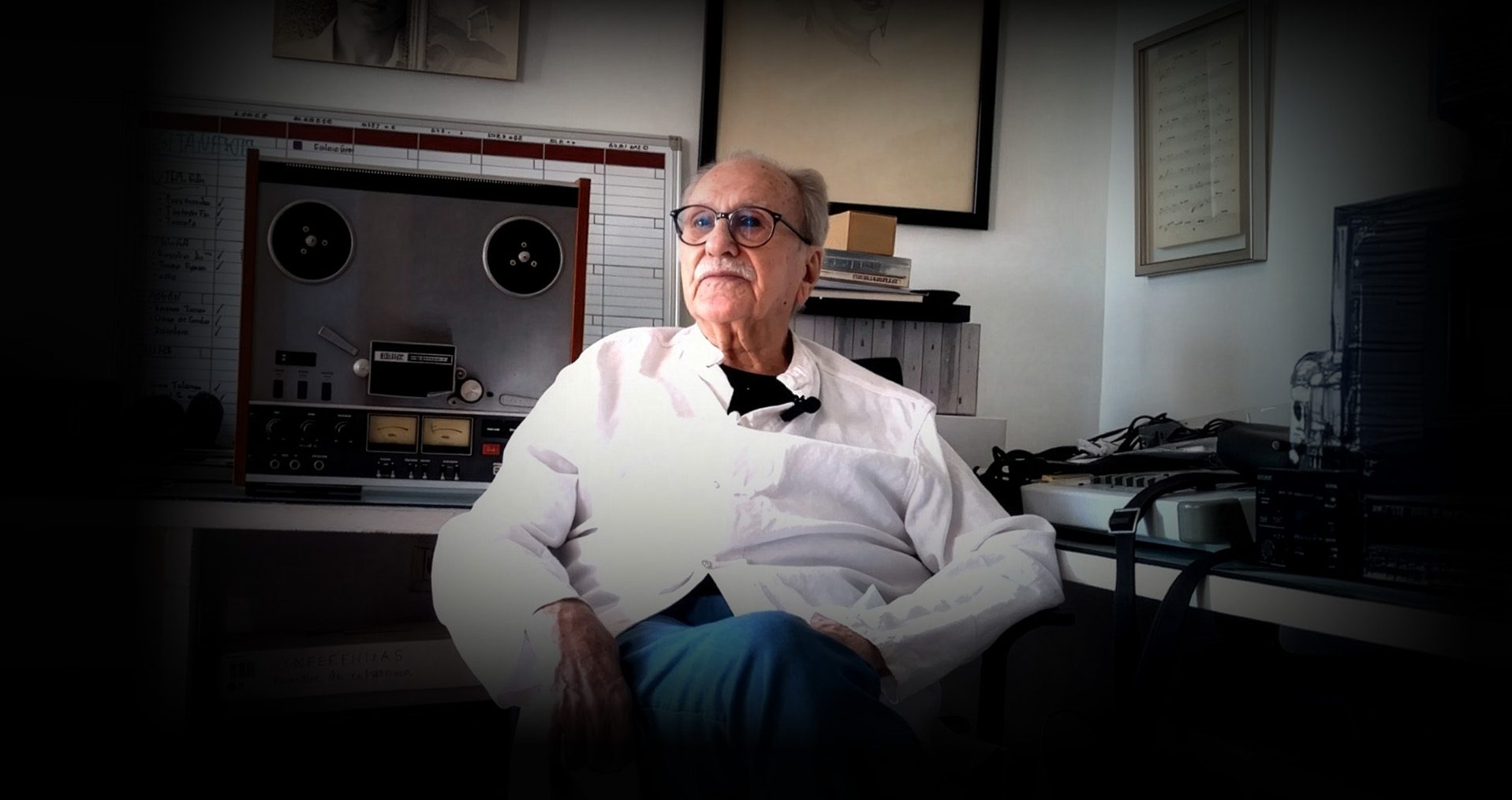
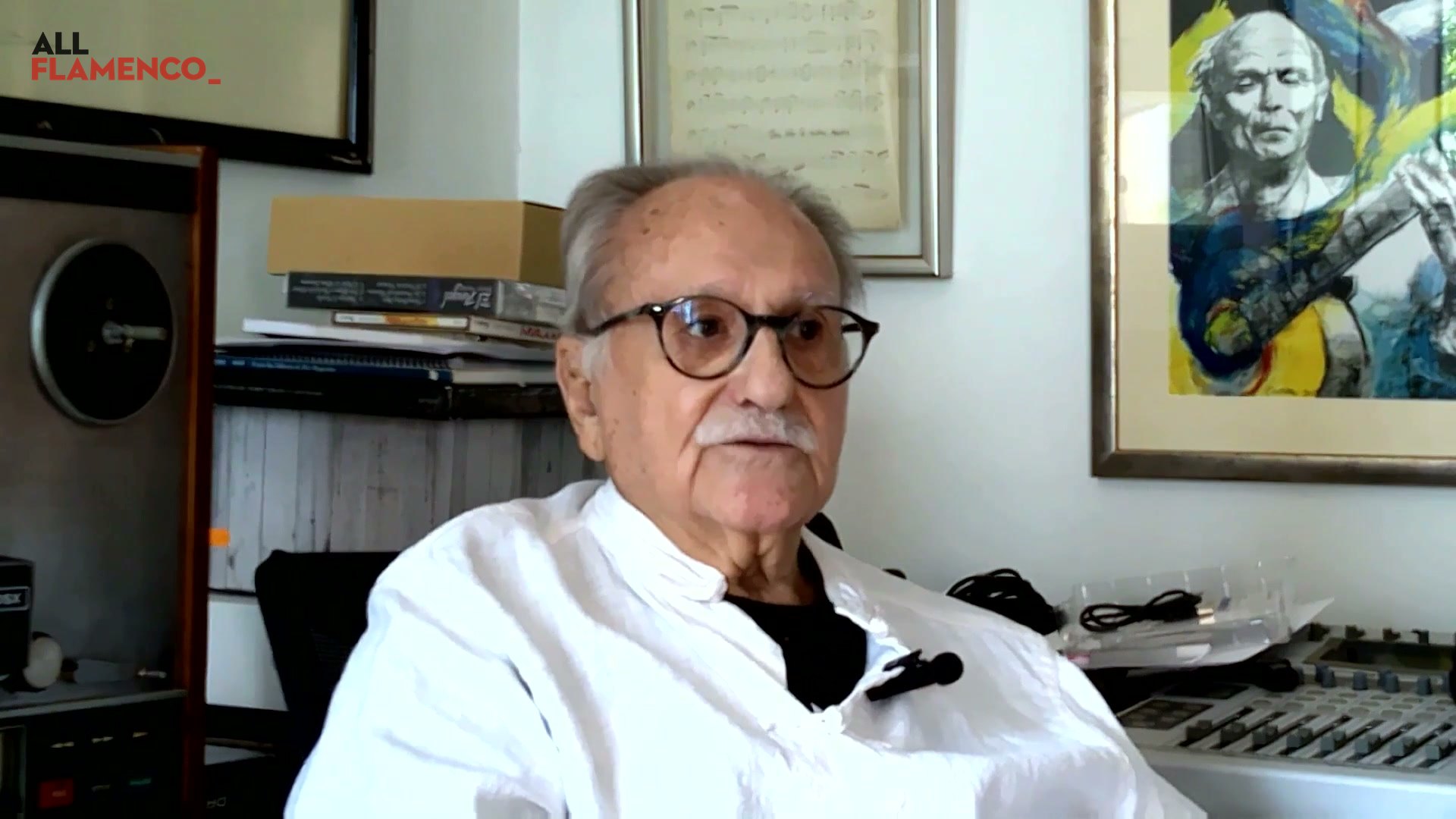
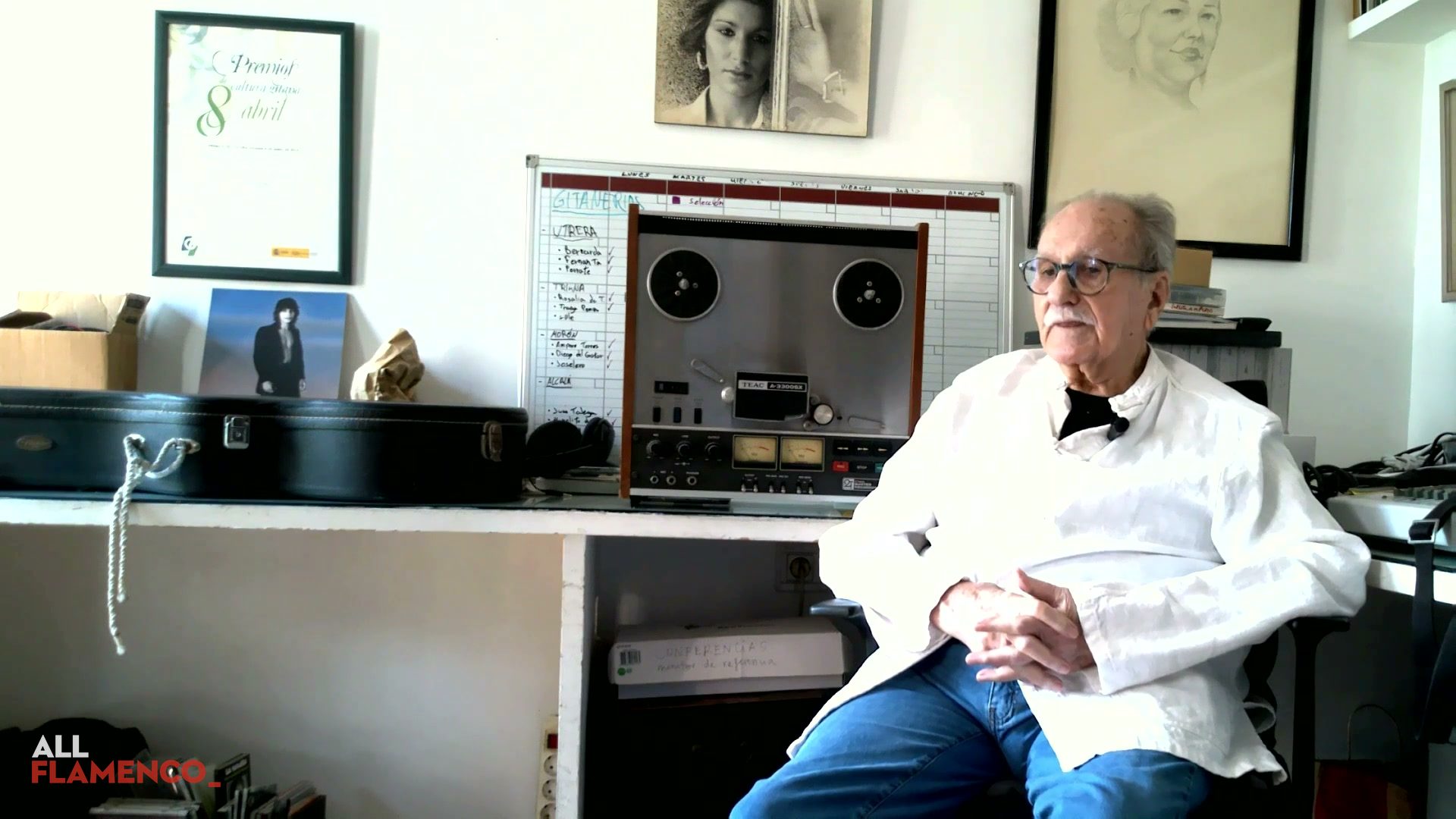
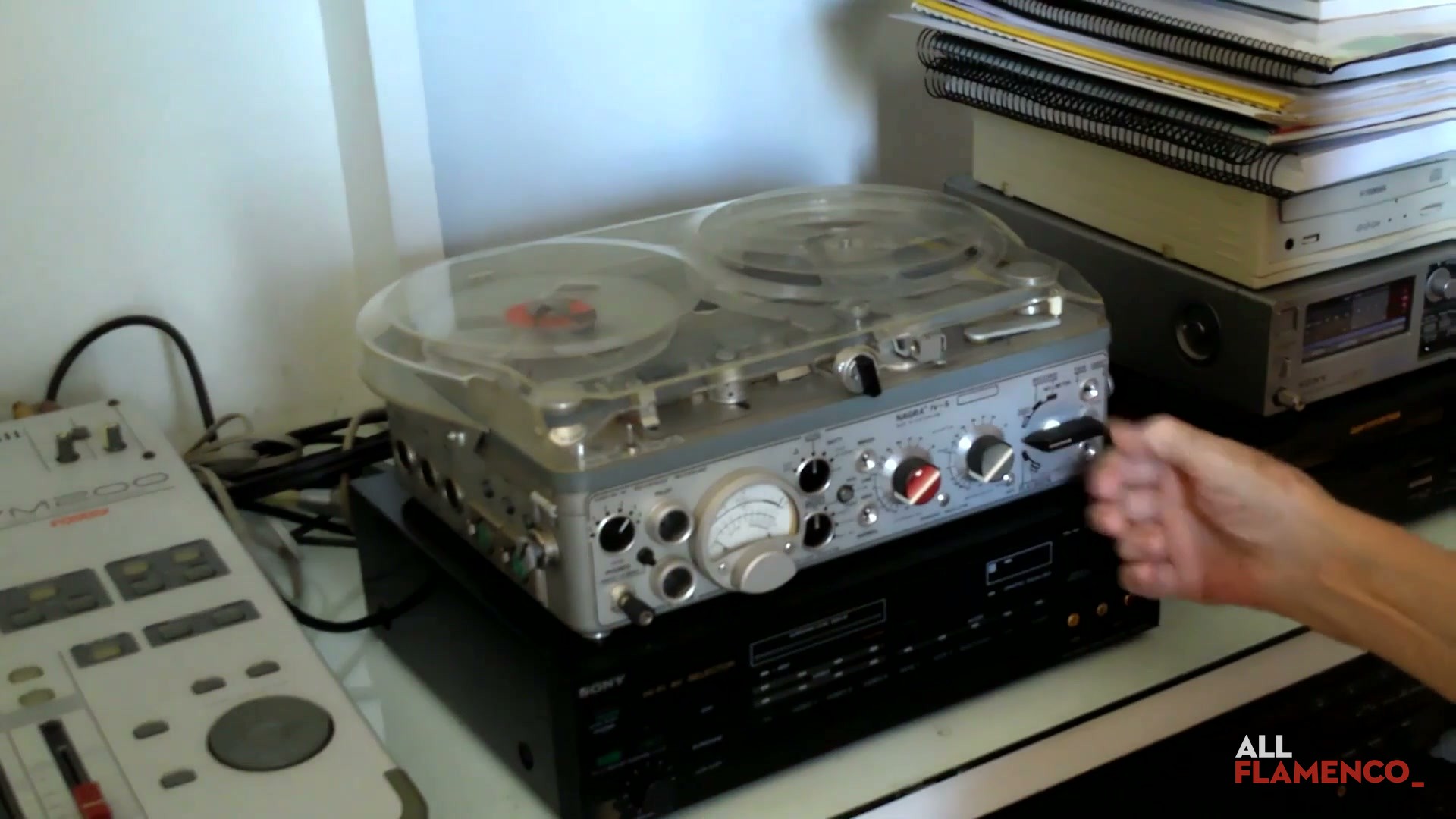
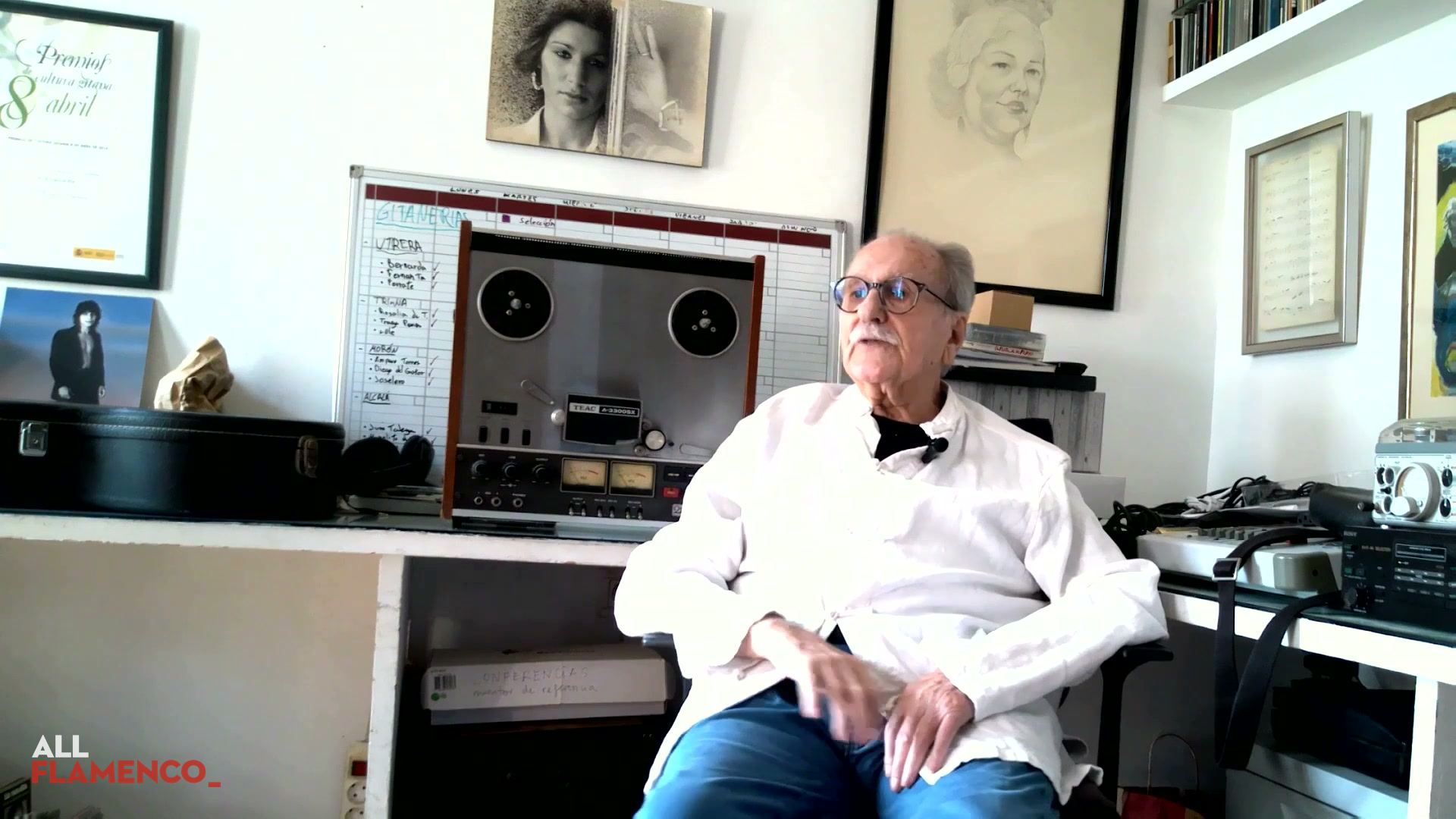
The second is «Interview with Ricardo Pachón» (2026, 32 minutes), directed by Carlos Rey. It was recorded at his home in Seville, in March 2026, when Pachón was 89: ALL FLAMENCO is the one asking the questions, and in it he talks about the Roma world, about what he had seen of it over his career and about what he thought of his place in flamenco today. It is Digital Cornucopia’s own material.
It is, in case it needed underlining, the previous section turned into image: Roma memory treated as structure rather than as ornament, told first in the third person and then in his own. Everything of his that we hold is gathered on his artist page.
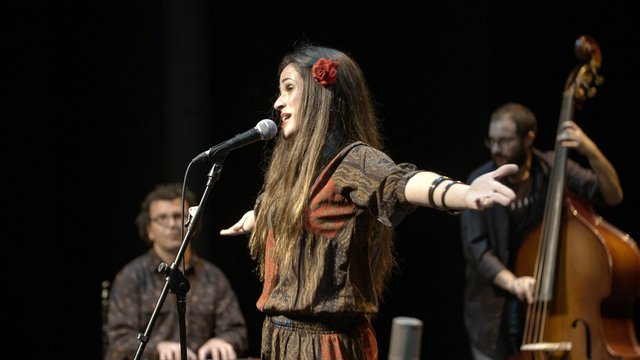
The 1979 record itself is not in the catalogue, but its title track can be heard sung today. «La leyenda del tiempo» (4 minutes) is the number María la Mónica devotes to it inside «¡Ay, José! 25 años del mito» (“¡Ay, José! 25 years of a legend of flamenco music”, 2017, 91 minutes), the tribute recorded at the Sala Central Lechera in Cádiz 25 years after Camarón’s death, with Adriano Lozano on guitar, Alejandro Tamayo on double bass and David León on percussion.
The rest — the festivals, the full concerts, the documentaries — is in the ALL FLAMENCO catalogue, and watching all of it takes nothing more than a subscription.
None of this makes up for what is lost with a death. But what remains, in the catalogue, is what he produced, what he documented, and what he himself told in the only interview ALL FLAMENCO ever recorded with him.