
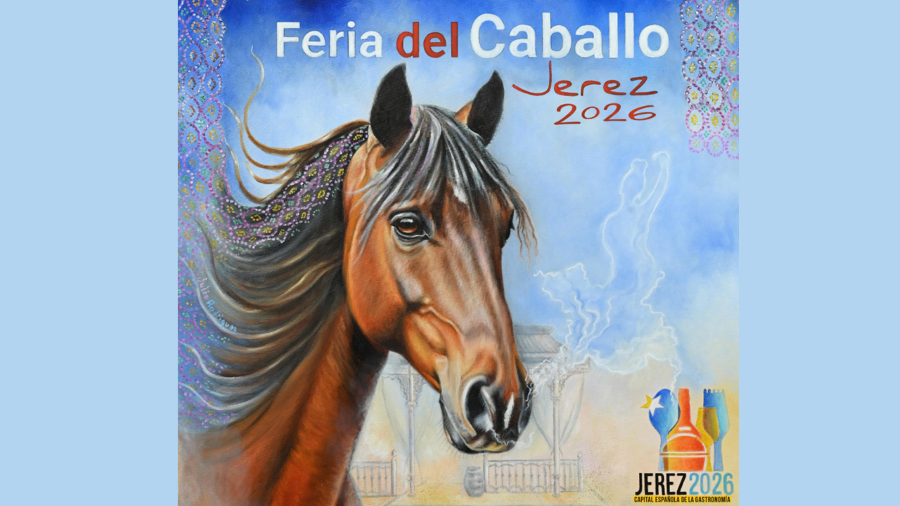
The Jerez Fair 2026, officially known as the Feria del Caballo or Horse Fair, will once again fill Parque González Hontoria with light, music, gastronomy, wine, horses, colour and rhythm. From May 9 to 16, 2026, Jerez de la Frontera will celebrate one of Andalusia’s most iconic festivities and one of the most special events for those who want to experience flamenco not only as a stage performance, but as a natural part of everyday life.
In Jerez, flamenco is not a decorative element. It is part of the city’s identity. It is present in conversation, in the handclaps that suddenly emerge inside a caseta, in a spontaneous bulerías dance, in the sound of a guitar, in a voice that begins singing without warning, and in that unmistakably Jerez way of turning any gathering into a meaningful celebration.
The 2026 edition will also have a very special focus: the Fair will be dedicated to Jerez as Spanish Capital of Gastronomy 2026. This reinforces one of the city’s great cultural signatures: the union of wine, local cuisine, Andalusian horses, hospitality and flamenco.
The Jerez Fair is not only something to watch. It is something to live, walk through, listen to, toast to, share and remember.
Dates and location of the Jerez Fair 2026
The Jerez Fair 2026 will take place from Saturday, May 9 to Saturday, May 16 at Parque González Hontoria, the traditional venue of the Feria del Caballo.
The most anticipated opening moment will be the switching-on of the fair lights, scheduled for the evening of Saturday, May 9. From that moment on, the fairground becomes a festive city of casetas, lanterns, music, gastronomy, horse parades and social gatherings for an entire week.
The Feria del Caballo has been declared an event of International Tourist Interest and attracts visitors from across Spain and abroad every year. For many, it is a privileged gateway into Andalusian culture; for flamenco lovers, it is a unique opportunity to feel flamenco rhythm in its most popular and spontaneous context.
Unlike other flamenco events with a single fixed line-up, the Fair works as a large distributed programme. Each caseta, flamenco club, brotherhood, winery or association may announce its own performances. That is why flamenco spreads across the entire fairground and appears in many forms: scheduled performances, sevillanas groups, dance ensembles, rumbas, bulerías and improvised moments that form part of the essence of Jerez.
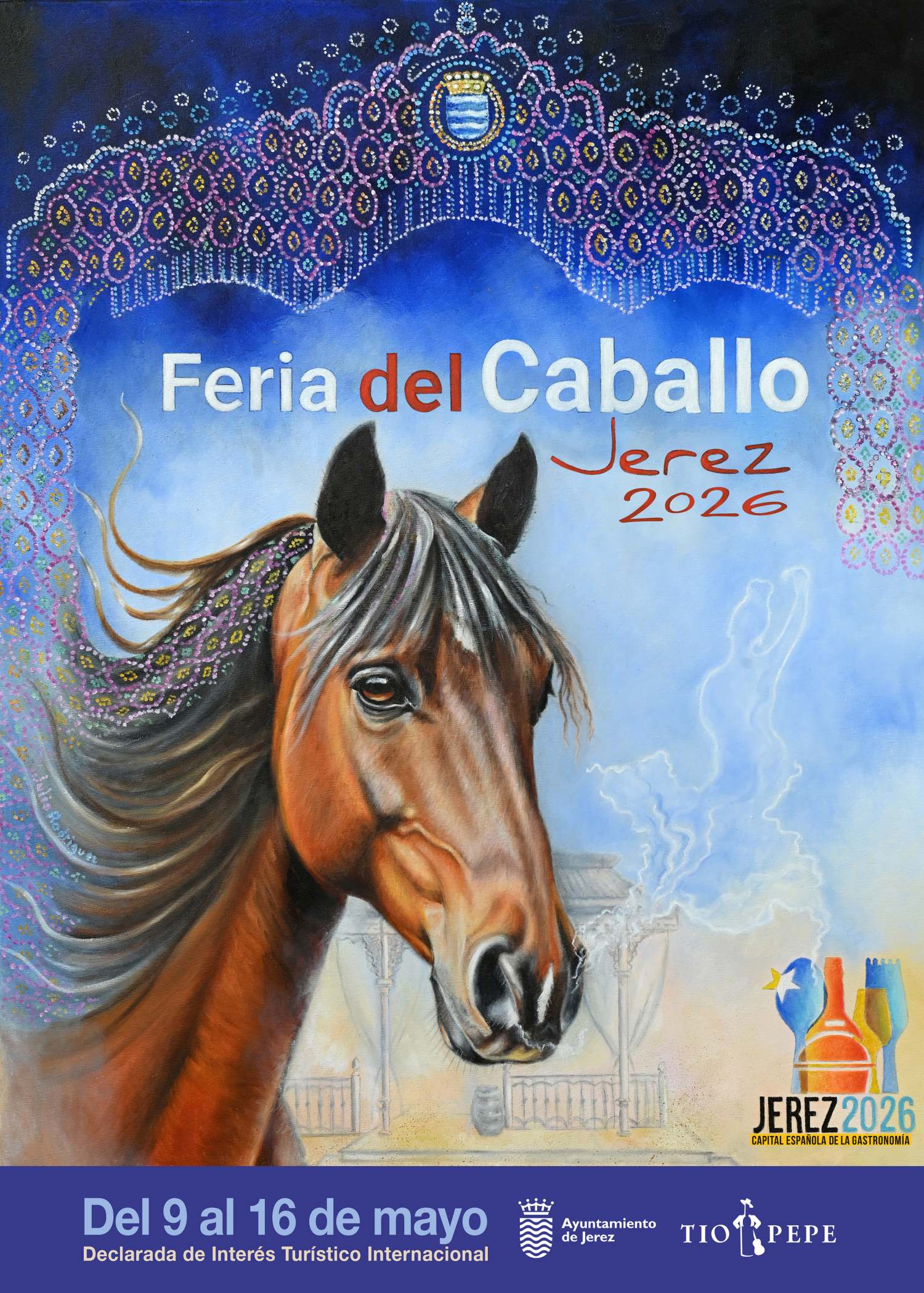
A horse fair, but also a flamenco fair
The horse gives the Fair its official name, but flamenco is one of its great protagonists. Jerez is a key city in the history of flamenco singing, dancing and guitar playing. Its connection with bulería, siguiriya, soleá and major flamenco dynasties makes it an essential place for understanding flamenco art.
During the Fair, this tradition is not only presented on a stage. It is expressed in the casetas, in gatherings, in the midday atmosphere, in shared handclaps and in the natural way Jerez lives flamenco.
That is one of the great differences of the Feria del Caballo: flamenco is not separated from life. It is not offered only as cultural programming, but as a way of being, celebrating and sharing. For visitors, this creates an experience that is difficult to find in any other context.
Those who look for a Fair organised only by timetables may miss an important part of it. In Jerez, it is worth checking the agenda, but it is also essential to listen to the atmosphere. Sometimes, the best flamenco moment appears where no one expected it.
Jesús Méndez, Tomasito and Pepe del Morao: three names that reflect Jerez
Among the names that bring special flamenco interest to the Jerez Fair 2026 are Jesús Méndez, Tomasito and Pepe del Morao — three very different artists, yet all deeply connected to the artistic pulse of Jerez.
Jesús Méndez represents one of the most important voices in contemporary Jerez flamenco singing. His singing combines roots, expressive strength and deep knowledge. His voice carries a powerful family and artistic heritage, while also projecting flamenco towards contemporary audiences. To hear Jesús Méndez in the context of Jerez is to come close to a living tradition, not a postcard from the past.
Pepe del Morao belongs to one of the city’s great guitar dynasties. The Jerez flamenco guitar has its own language: it accompanies, drives, breathes with the singing and sustains the rhythm with a recognisable personality. The Morao name holds a fundamental place in this sound memory. His presence in the Fair atmosphere recalls the importance of the guitar as one of the backbones of Jerez flamenco.
Tomasito, meanwhile, brings a different kind of energy: overflowing, rhythmic, free and deeply popular. His art has managed to bring together flamenco, rumba, rock, humour, dance and stage personality without losing its bond with Jerez. Tomasito is one of those artists capable of connecting with very different audiences because his work comes from flamenco rhythm but opens itself to celebration, gesture and a highly personal way of understanding the stage.
Together, these names show three ways of understanding flamenco from Jerez: the depth of singing, the wisdom of the guitar and the festive freedom of an unclassifiable artist.
Artists and groups appearing at the Jerez Fair 2026
The Jerez Fair 2026 will feature a musical programme spread across casetas, flamenco clubs, brotherhoods, wineries and festive spaces throughout the fairground. It should not be understood as a festival with one single official line-up, but rather as a living agenda completed by different venues.
Among the flamenco names, groups and musical projects linked to the Jerez Fair 2026 are:
Jesús Méndez, Pepe del Morao, Manuel Salado, Manuel Pantoja, Jairo Amaya, Miguel Guerrero, Jaleo y Compás, David de Paloma, Estudio de Danza Lara Jurado, Junquerita, Dolores de Perikín, Gema Carrasco, Manuel de Cantarote, Sobretablas, Son de Santiago, Reflejos del Sur, Megustami and Tomasito.
This selection brings together artists and groups identified in events, caseta programmes and activities linked to the Fair. It is advisable to check the daily agenda in the days leading up to the Fair and during the Fair week itself, as some performances may be updated, rescheduled or announced directly by each caseta.
For flamenco lovers, this diversity is precisely one of the great attractions of the Jerez Fair. Singing, dancing, guitar playing, sevillanas, rumbas and the atmosphere of rhythm are not concentrated on a single stage, but spread across the whole fairground. In Jerez, flamenco is found in the programme, but also in the walk, in the caseta and in that unexpected moment when a gathering turns into a fiesta.
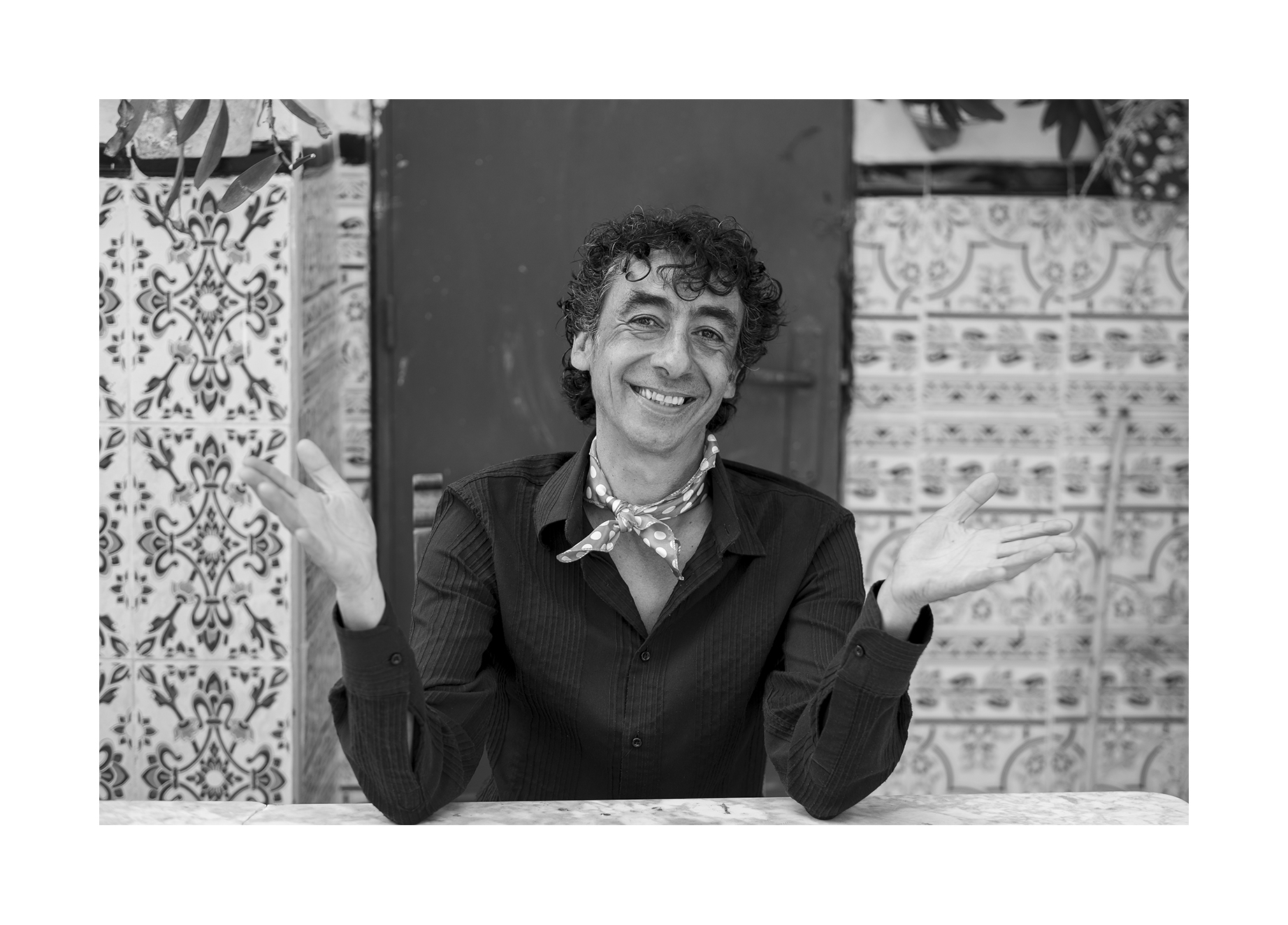
Tomasito. Foto: El Volcán Music
The casetas: the social heart of the Fair
The casetas are the true centre of fair life. Inside them, people eat, drink, sing, dance and talk. Each caseta has its own personality: some are more family-oriented, others more gastronomic, others more youthful, others more musical, and others are linked to flamenco clubs, brotherhoods or associations.
The Jerez Fair 2026 will have a wide map of casetas distributed throughout Parque González Hontoria. The final layout includes 175 casetas, including traditional casetas, non-traditional casetas and municipal spaces. To make orientation easier, the casetas will be numbered — something especially useful for visitors, tourists and security services.
Municipal spaces include the Accessibility Caseta, the Senior Citizens’ Caseta, the Municipal Bandstand and Onda Jerez. The fairground also includes casetas linked to flamenco clubs, cultural organisations, wineries, brotherhoods, associations and social groups.
Those looking for flamenco should pay special attention to casetas belonging to flamenco clubs, brotherhoods, cultural associations and spaces with a musical tradition. Many performances are announced directly by each caseta and do not always appear in one single general agenda.
The best way to enjoy the Fair is to combine planning and wandering: locate the casetas of interest, check the day’s programme and leave room to discover the atmosphere that emerges spontaneously.
Gastronomy and wine: Jerez as Spanish Capital of Gastronomy 2026
The 2026 edition will have a special gastronomic focus. Jerez will celebrate its status as Spanish Capital of Gastronomy 2026, and the Feria del Caballo will be one of the great showcases of this culinary identity.
Jerez cuisine is an essential part of the Fair experience. In the casetas, visitors can find tapas, stews, fried fish, cured meats, cheeses, seafood, traditional dishes and more contemporary proposals that reinterpret local recipes.
Sherry wine occupies a central place. Fino, oloroso, amontillado, cream and Pedro Ximénez are not merely accompaniments: they are part of the social ritual of the Fair. In Jerez, wine accompanies food, conversation, singing and celebration.
This union between gastronomy and flamenco has deep cultural value. Flamenco has historically lived in meeting places: courtyards, tabancos, roadside inns, flamenco clubs, family homes and popular celebrations. The Fair reproduces, on a large scale, that relationship between art, food and shared life.
The horse parade and the aesthetics of the fairground
One of the most characteristic moments of the Jerez Fair is the parade of horses and carriages. During the day, the fairground fills with riders, horsewomen, carriages and horse-drawn coaches crossing the albero with an elegance deeply linked to Andalusian equestrian tradition.
The horse is not only a decorative symbol. It is part of the social and cultural history of Jerez. The city has a close relationship with horse breeding, dressage, wine culture and major public celebrations.
Aesthetics are also fundamental to the Fair. Flamenco dresses, shawls, flowers, hats, traditional short jackets, lanterns and the colours of the casetas create a highly recognisable image. But beyond the visual aspect, the Fair stands out for its authenticity. It is not a frozen postcard: it is a celebration lived by the city.
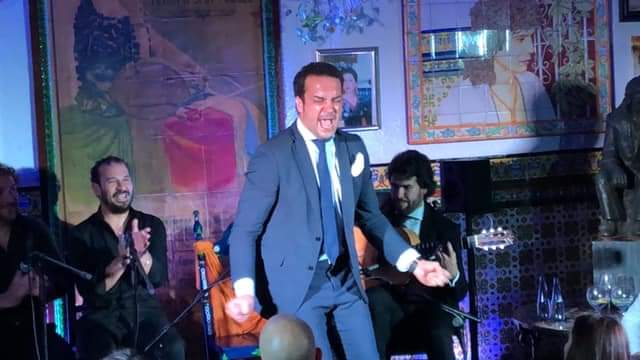
Jesús Méndez
Tips for enjoying the Jerez Fair 2026
For those visiting the Fair for the first time, the ideal plan is to go both during the day and at night. During the day, it is easier to enjoy the horse parade, gastronomy, family atmosphere and the aesthetics of the fairground. At night, the lights, music and festive atmosphere transform the experience completely.
It is also advisable to check the daily programme of casetas and performances, especially if you are looking for live flamenco. Even so, it is better not to plan everything too rigidly. The Jerez Fair has a great deal of discovery in it.
Another important tip is to review the official caseta map before going to the fairground. The numbering system makes orientation much easier, especially on the busiest days.
For international visitors, the Fair is an excellent gateway into Andalusian culture. It brings together elements that are often known separately: flamenco, wine, horses, gastronomy, fashion, social life and tradition.
ALL FLAMENCO: continue experiencing Jerez from home
Those who cannot travel to the Jerez Fair 2026, or those who want to continue the experience after attending it, can find in ALL FLAMENCO a way to stay connected to flamenco art from anywhere.
ALL FLAMENCO brings together concerts, recitals, dance performances, guitar shows, documentaries and special content dedicated to flamenco. Its catalogue allows viewers to discover major artists, emblematic venues and different ways of experiencing flamenco, from the stage to the documentary format.
The Fair shows flamenco in its festive, social and popular dimension. ALL FLAMENCO allows audiences to return to that art calmly, enjoy complete performances, discover new artists and deepen their knowledge of a culture that continues to move people across borders.
Practical agenda for the Jerez Fair 2026
The Jerez Fair 2026 will take place from May 9 to 16 at Parque González Hontoria. In addition to the daily atmosphere of casetas, horse parades, gastronomy and flamenco, the official programme includes key events that help visitors organise their visit.
Friday, May 8
Before the official lighting ceremony, the Fair begins to take shape with preliminary activities and the official opening speech. It is an interesting day for those who want to experience the fair atmosphere before the fairground officially opens.
Saturday, May 9
Opening day of the Fair. Throughout the day, activities related to the equestrian world will take place. In the evening comes one of the most anticipated moments: the switching-on of the fair lights, scheduled for 10:00 p.m., marking the symbolic beginning of the Feria del Caballo 2026.
Sunday, May 10
The first Sunday of the Fair, with the full atmosphere of the fairground: casetas, music, gastronomy, horse parades and bullfighting-related activities. It is one of the recommended days to experience the Fair with family and enjoy the midday atmosphere.
Monday, May 11
The day of the Caseta Competition, an event that highlights the decoration, atmosphere and personality of the different spaces in the fairground. The Fair also maintains a quiet-hour period, designed to make the event more inclusive.
Tuesday, May 12
A day especially aimed at families, with Children’s Day. Tuesday also plays an important role in the edition dedicated to Jerez as Spanish Capital of Gastronomy.
Wednesday, May 13
Celebration of Women’s Day, a date with special social significance within the Fair calendar. It is a good day to enjoy the caseta atmosphere, gastronomy and the musical programme announced by each venue.
Thursday, May 14
A recommended day for those who want to enjoy the Fair with slightly less crowding than during the weekend. It is perfect for walking through the casetas, discovering performances and looking for flamenco proposals in flamenco clubs, brotherhoods, wineries and traditional spaces.
Friday, May 15
One of the most visually attractive days for horse lovers, with equestrian activities and a lively atmosphere throughout the fairground. Friday combines the tradition of the horse with music, casetas and the nightlife of the Fair.
Saturday, May 16
The final day of the Fair. The agenda includes closing events, awards ceremonies and the Caballo de Oro Ciudad de Jerez ceremony. At night, the casetas bid farewell to the Fair with music, dancing and celebration until closing time.
Practical note: To check updated timetables, the caseta map, services, access information and daily programming, it is advisable to review the official Jerez City Council Feria del Caballo 2026 special section and the announcements published by each caseta, flamenco club, winery or brotherhood.
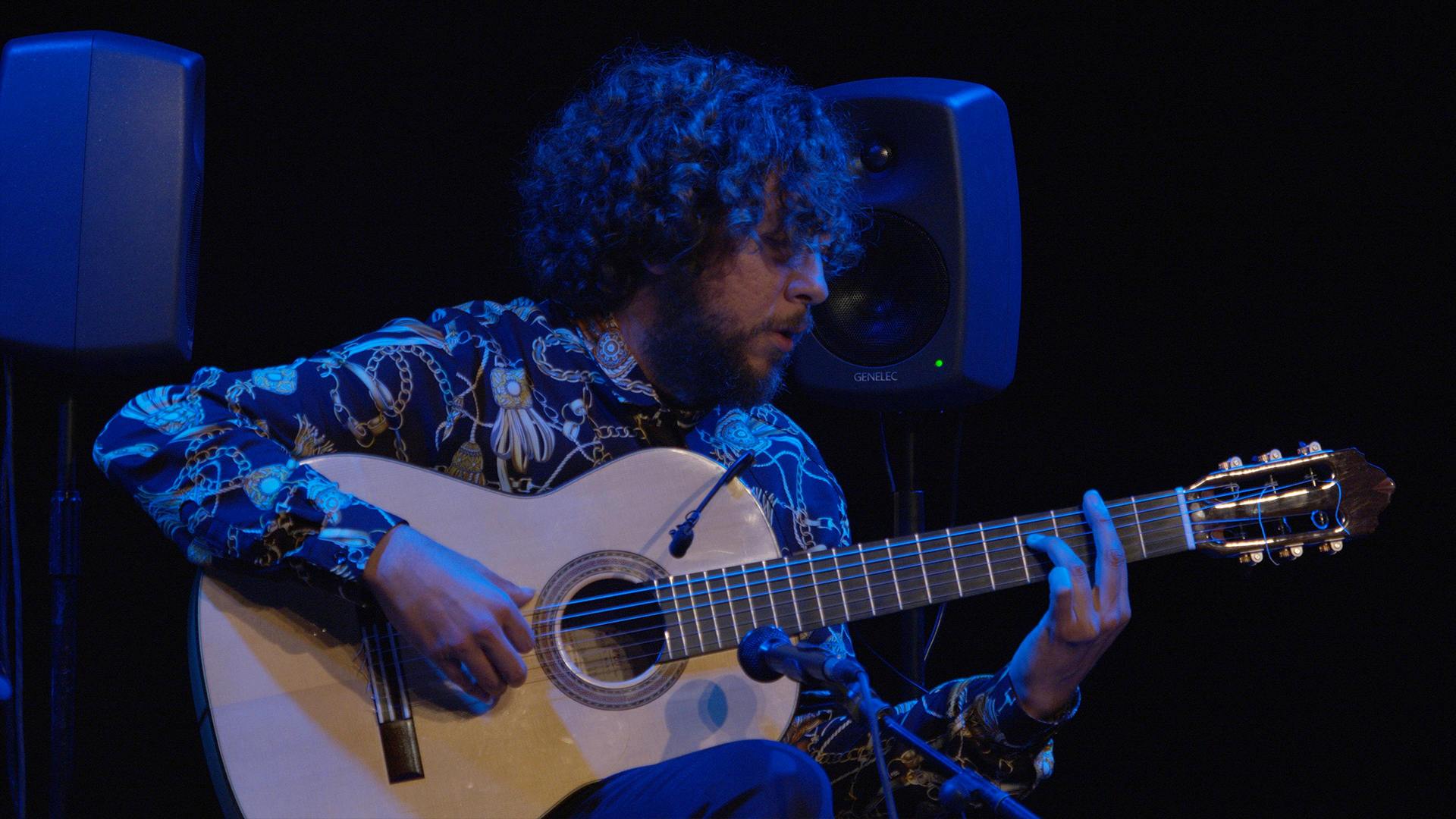
PEPE DEL MORAO. Foto ALL FLAMENCO
Frequently Asked Questions about the Jerez Fair 2026
When is the Jerez Fair 2026?
The Jerez Fair 2026 will take place from May 9 to 16 at Parque González Hontoria. The symbolic beginning will be the switching-on of the fair lights on the evening of Saturday, May 9. During that week, the fairground will host casetas, horse parades, equestrian activities, gastronomy, music and flamenco atmosphere. It is one of Andalusia’s most important festivities and a highly recommended event for those who want to experience Jerez from within.
Which artists will appear at the Jerez Fair 2026?
Among the names and groups linked to the Jerez Fair 2026 are Jesús Méndez, Pepe del Morao, Tomasito, Manuel Salado, Manuel Pantoja, Jairo Amaya, Miguel Guerrero, Jaleo y Compás, David de Paloma, Estudio de Danza Lara Jurado, Junquerita, Dolores de Perikín, Gema Carrasco, Manuel de Cantarote, Sobretablas, Son de Santiago, Reflejos del Sur and Megustami. The programme may be updated according to the agendas of casetas and participating venues.
Where can you see flamenco at the Jerez Fair?
Flamenco is spread across many casetas throughout the fairground. Flamenco clubs, brotherhoods, cultural associations, wineries and casetas with musical programming are often the best places to find singing, dancing, guitar playing, sevillanas, rumbas and bulerías. In addition to announced performances, the Jerez Fair has a very important spontaneous side. Sometimes, the best flamenco moment appears without any prior poster, in a gathering or in a caseta where the rhythm emerges naturally.
Is the Jerez Fair only a horse fair?
No. Although the horse is one of its great symbols, the Jerez Fair is also a major celebration of gastronomy, wine, music, dance, social life and flamenco. The horse parade and carriages are an essential part of the event, but they coexist with casetas, performances, local cuisine and the popular atmosphere. That combination is precisely what makes the Feria del Caballo such a complete cultural experience.
Is the Jerez Fair worth visiting if I am interested in flamenco?
Yes. For any flamenco lover, the Jerez Fair is a highly recommended experience. It does not offer only staged flamenco, but flamenco lived in its social context: in the caseta, in the gathering, around the table, in spontaneous dancing and in the atmosphere of the city. Jerez is one of the essential territories of flamenco, and during the Fair that identity is expressed in a particularly close, festive and authentic way