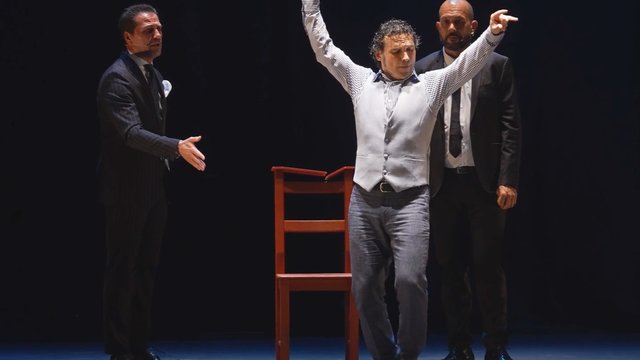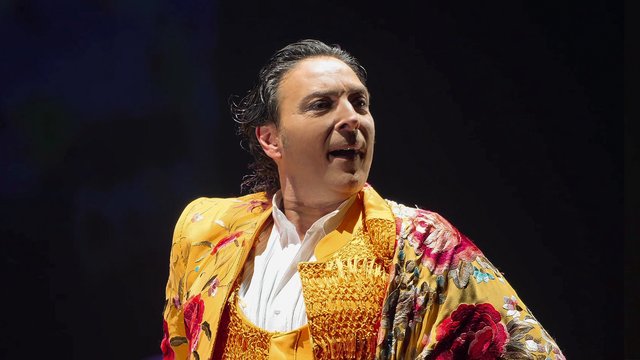
On 16 November 2010, UNESCO inscribed flamenco on the Representative List of the Intangible Cultural Heritage of Humanity. This is the video that accompanied the nomination, as published by UNESCO on the element’s official page: ten minutes produced in 2009 by the Agencia Andaluza para el Desarrollo del Flamenco. Below, the text it was presented with.
“Flamenco” (10 min). Nomination video for flamenco, UNESCO file 00363. Published on UNESCO’s official YouTube channel on 5 November 2010. © 2009 Agencia Andaluza para el Desarrollo del Flamenco.
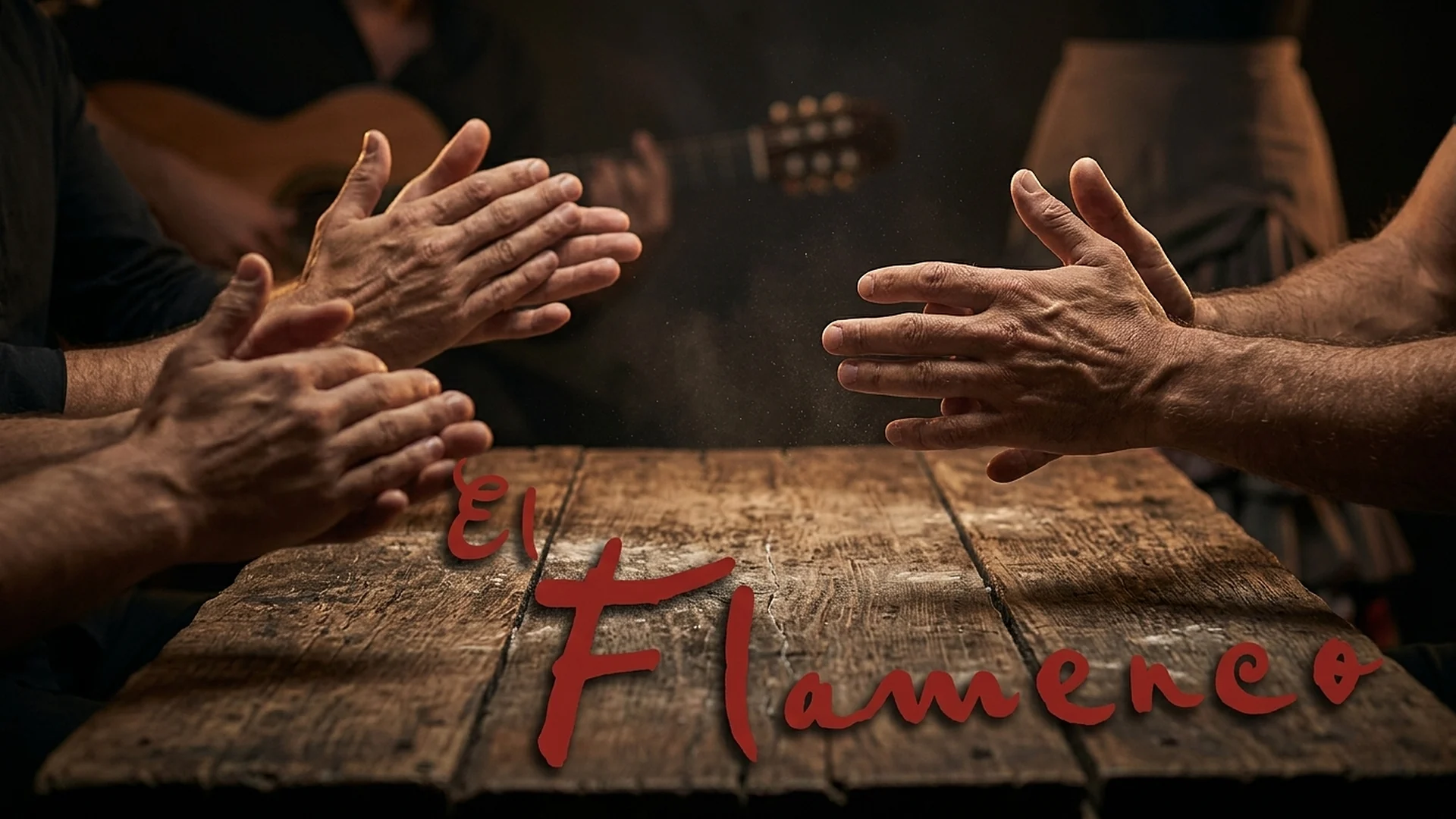
Header image generated with artificial intelligence (Google Gemini) from this same video.
A day to always celebrate
The year after its inscription on the Representative List of the Intangible Cultural Heritage of Humanity, and as an annual commemoration of this event that recalls the importance of this cultural heritage, the Junta de Andalucía declared that date “Day of Flamenco in Andalusia”.
Since then, it has also been commemorated globally with activities such as conferences, exhibitions, concerts, shows…
This is how flamenco was presented (and declared Intangible Heritage of Humanity)
This is how UNESCO describes flamenco in the element’s entry: Flamenco is an artistic expression resulting from the fusion of vocal music, the art of dance and musical accompaniment, respectively called cante, baile and toque. The birthplace of flamenco is the region of Andalusia, located in the south of Spain, although it also has roots in other regions such as Murcia and Extremadura.
The cante is usually performed solo and seated by a man or a woman. It expresses a whole range of feelings and moods – sorrow, joy, tragedy, joy and fear – through sincere and expressive words, characterised by their conciseness and simplicity.
As for the dance, it is a dance of passion and seduction, which also expresses a whole series of emotions. Its technique is complex and the interpretation is different depending on who performs it: if it is a man, he will dance it with great strength, resorting mainly to his feet; and if it is a woman, she will perform it with more sensual movements.
“Flamenco is the Guadalquivir of Andalusian culture, which identifies us within and beyond our borders”. Andalusian Institute of Flamenco
Flamenco guitar playing has long since transcended its original function of accompanying the singing. This is also accompanied by other instruments such as castanets, as well as clapping and tapping.
Flamenco is performed on the occasion of religious festivities, rituals, sacramental ceremonies and private parties. It is a sign of identity for many groups and communities, especially the Roma ethnic community, which has played a key role in its evolution. Flamenco is passed down through dynasties of artists, families, flamenco clubs and social groups, which play a decisive role in the preservation and dissemination of this art form.
Watch it in the catalogue
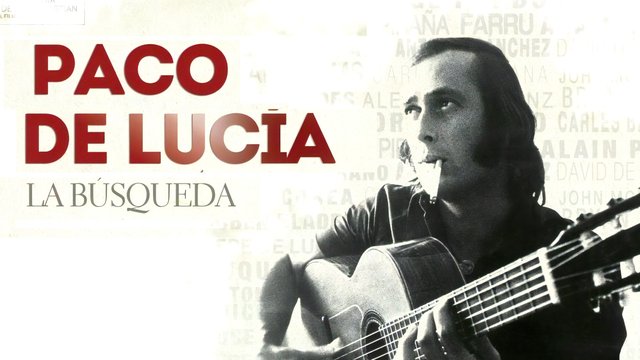
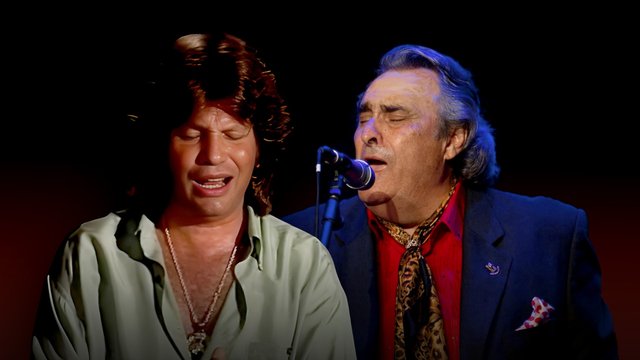
What UNESCO declared Intangible Heritage does not fit in a document: it lives on stage and in the homes where it is passed down. These four pieces from the ALL FLAMENCO catalogue show it better than any definition. The first one is also the show the photograph at the top of this article was taken from.