
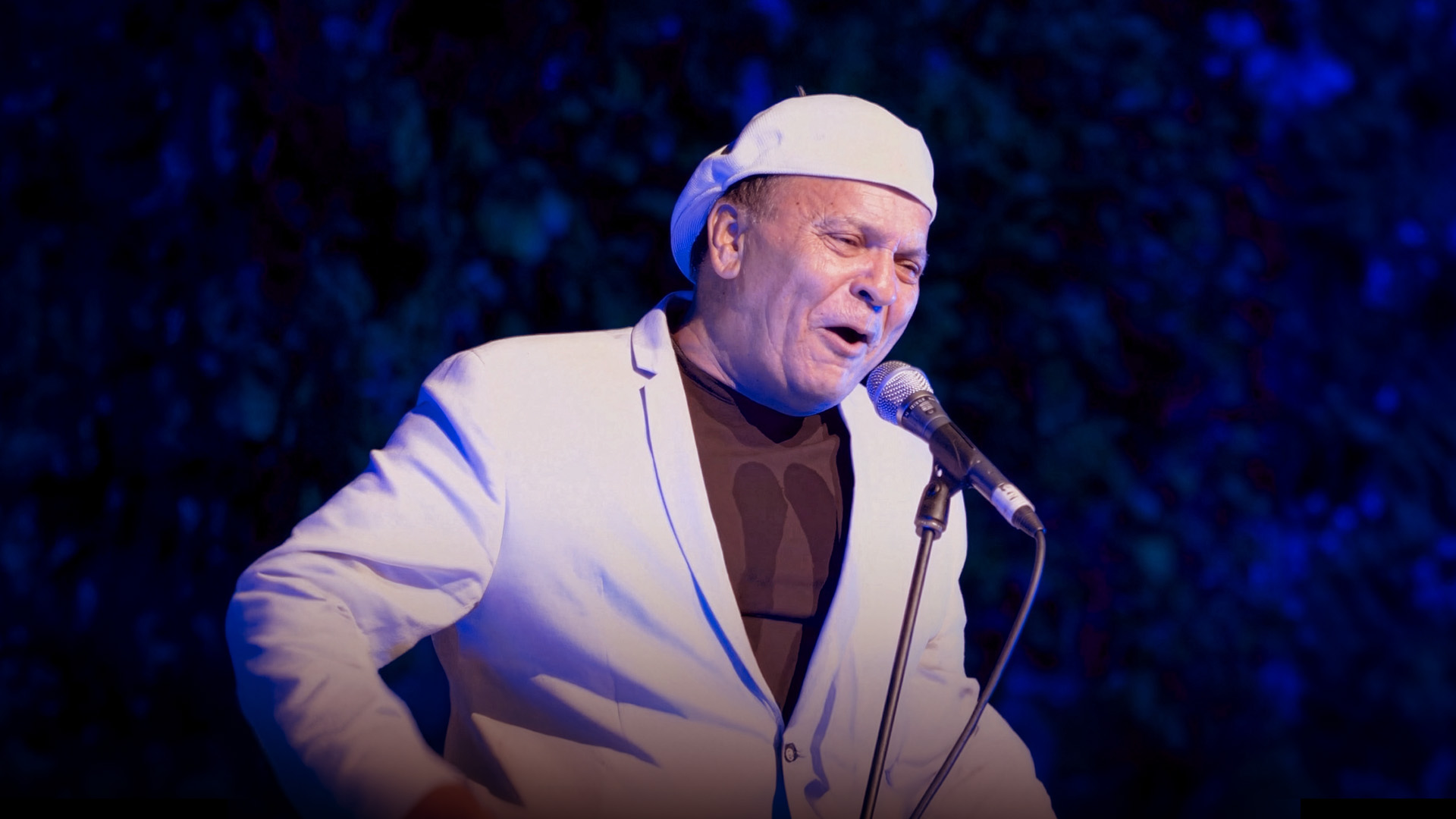
Fandangos are among the most beloved palos in flamenco. They have something immediate and deeply human: a recognizable melody, direct lyrics and an emotion that reaches both experienced flamenco lovers and those discovering cante for the first time.
But behind that apparent simplicity lies a vast musical universe. There are fandangos naturales, personal fandangos, Fandangos de Huelva, local styles, abandolao forms and versions that may be more rhythmical, freer or more intimate. Each one brings a different shade to the same root: the need to express an emotion in just a few verses.
In this article, we focus especially on fandangos naturales and Fandangos de Huelva, two essential forms for understanding the richness of this flamenco style.
What Are Flamenco Fandangos?
The fandango is not a single closed form, but rather a large family within flamenco. It includes several styles that share certain melodic, poetic and expressive features.
Traditionally, the fandango verse is often built around short lines, usually in an octosyllabic structure. In flamenco practice, the singer may repeat one of those lines to intensify the emotion and complete the musical shape of the cante. This repetition is not merely decorative: it helps underline the meaning of the lyrics, prepare the final resolution and build the emotional atmosphere of the performance.
Fandangos can appear in many different ways. Sometimes they preserve a popular, festive and danceable character. At other times, they become freer, slower and more personal, designed for attentive listening. This ability to move between the collective and the intimate is one of their greatest strengths.
Fandangos Naturales: Free and Personal Singing
Fandangos naturales are one of the most expressive forms of flamenco fandango. Unlike more rhythmical styles, the fandango natural is sung with greater freedom. The compás becomes more flexible, the guitar accompaniment more elastic, and the singer’s voice takes centre stage.
For this reason, it is considered a cante that allows the singer to shine, but also one that involves great risk. The performer has little room to hide. The emotion must be sustained through tuning, taste, breath control and personality.
Within fandangos naturales we also find the so-called personal fandangos: styles associated with specific singers who left behind their own way of singing. In these cases, the fandango becomes almost an artistic signature. The singer takes a traditional base, recreates it and turns it into a recognizable personal expression.
The greatness of the fandango natural lies in this balance between freedom and measure. It is not enough to lengthen the melodic phrases or seek brilliant high notes. The singer must know how to deliver the lyrics, place the silences and close the cante with truth.
Fandangos de Huelva: Identity and Territory
If there is one land deeply linked to the fandango, it is Huelva. Fandangos de Huelva form one of the richest and most recognizable groups within flamenco. They are not a single style, but a variety of cantes associated with towns, festivities, pilgrimages and local traditions.
Alosno occupies a fundamental place in this fandango geography, but it is not the only one. We also find styles connected to Calañas, Valverde del Camino, El Cerro de Andévalo, Encinasola, Zalamea la Real, Almonaster la Real and other towns in the province of Huelva.
In Huelva, the fandango is not only a musical form. It is a sign of identity. It is sung to express belonging, memory, devotion, love, local pride or nostalgia. That is why many Fandangos de Huelva carry a strong collective flavour: they seem to contain the landscape and the voice of an entire people.
Unlike the fandango natural, which usually revolves more around the individual interpretation of the singer, the Fandango de Huelva maintains a strong connection with its territory. Its aire, rhythm and way of being sung refer to a shared tradition.
Differences Between Fandangos Naturales and Fandangos de Huelva
Although they belong to the same family, they should not be confused.
The fandango natural is usually freer, slower and more focused on the singer’s individual personality. It is a cante for listening, where the voice can expand and the guitar accompanies in a flexible way.
The Fandango de Huelva, on the other hand, is linked to a specific local tradition. It may have a stronger rhythmic sense, a more popular character and a very recognizable territorial identity. Even when sung by a great artist on stage, it preserves that connection with the province of Huelva.
We could put it this way: the fandango natural looks inward, towards individual emotion; the Fandango de Huelva also looks towards the land, the community and collective memory.
The Guitar in Fandangos
The flamenco guitar is essential to understanding fandangos. In the styles from Huelva, it marks the aire, supports the rhythm and helps define the character of the cante. In fandangos naturales, the guitar becomes more flexible and follows the turns of the singer’s voice with sensitivity.
Good accompaniment por fandangos is not simply a matter of playing the right chords. The guitarist must know the style, breathe with the singer and understand when to push, when to wait and when to close.
That is why fandangos are also an excellent school for guitarists. They teach compás, accompaniment, intention and knowledge of cante.
Fandango Lyrics: Emotion in Just a Few Verses
Fandango lyrics are usually brief, but deeply intense. They speak of love, absence, fate, family, homeland, devotion or disappointment. In just a few lines, they can condense an entire story or a profound emotion.
This brevity demands precision. A simple image, sung with truth, can move more deeply than a long explanation. The fandango does not need to explain too much: its strength lies in suggestion.
In Fandangos de Huelva, references to landscape, town, devotion, countryside, sea or local identity often appear. In fandangos naturales, the lyrics may take on a more intimate and universal tone.
How to Listen to Fandangos
To begin enjoying fandangos, it is useful to pay attention to four elements.
First, the guitar introduction, which often announces the emotional atmosphere of the cante. Second, the singer’s first phrase, where the intention becomes clear. Third, the lyrics, because in a fandango every word matters. And fourth, the final resolution, which should close the emotion with meaning.
It also helps to compare styles. Listening to a Fandango de Huelva and then to a fandango natural allows the listener to understand the difference between a more territorial cante and a freer one. That comparison opens the ear and deepens the experience.
Fandangos on ALL FLAMENCO
On ALL FLAMENCO, fandangos can be enjoyed through recitals, concerts, performances and educational content. This is an ideal palo for those who want to better understand flamenco singing, because it combines melodic beauty, direct emotion and a great richness of styles.
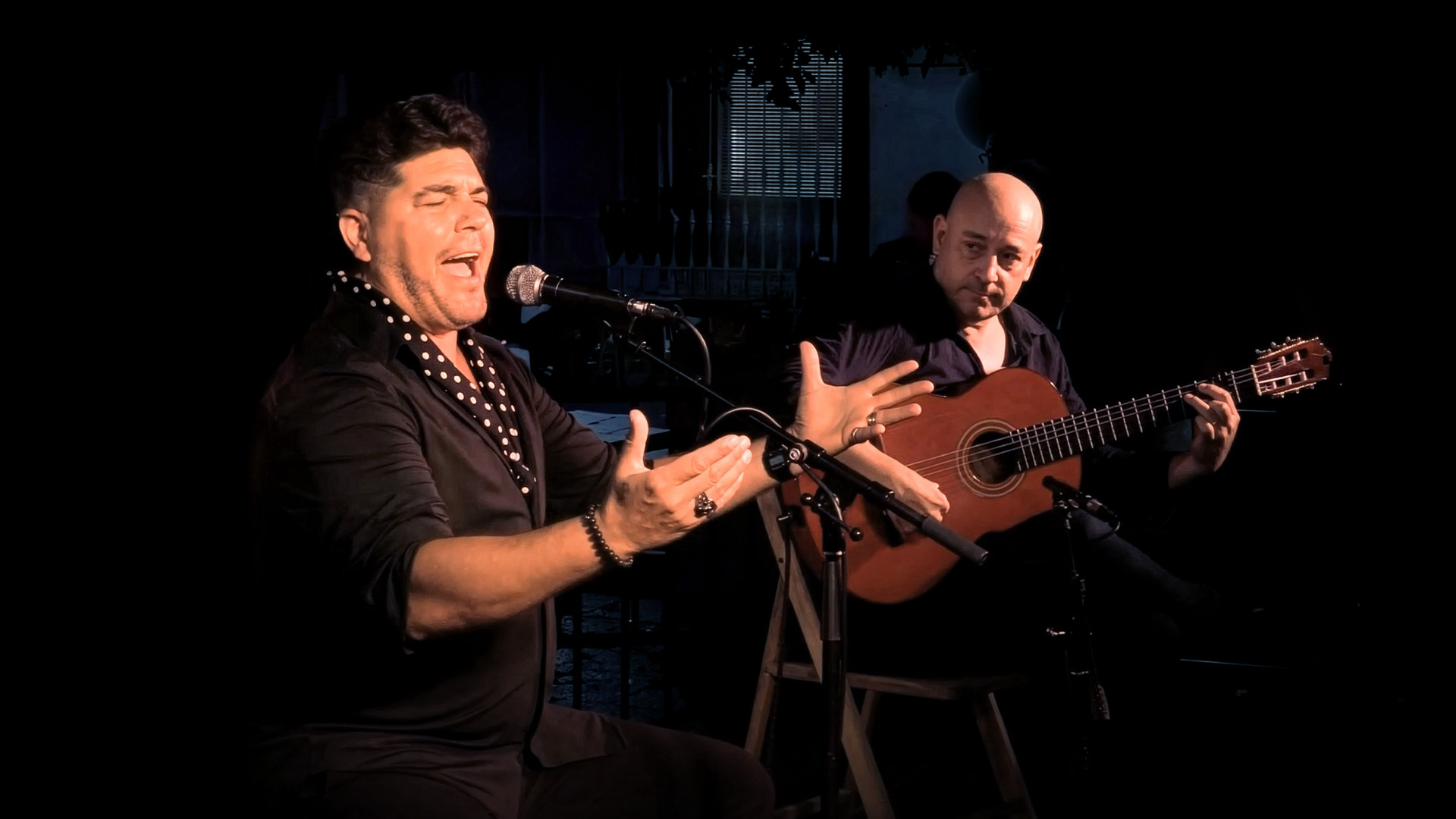
Fandangos are one of the broadest and most emotional territories in flamenco. They bring together popular tradition, the singer’s personality, the identity of towns and the expressive freedom of cante.
Fandangos naturales reveal the most intimate and personal side of this style. Fandangos de Huelva show the strength of a land that has turned the fandango into a way of recognizing itself. Between both worlds lies a universe of nuances that explains why this palo continues to move audiences of all generations.
To listen to fandangos is to hear a voice singing something very simple and very deep at the same time: sorrow, joy, homeland, memory. That is why they remain alive. Because they speak directly to the heart.
Frequently Asked Questions
What are flamenco fandangos?
Flamenco fandangos are a family of cantes within flamenco. They share a melodic and poetic base, but there are many variants depending on the region, rhythm and way of interpretation. Some are more popular and rhythmical, as happens with many Fandangos de Huelva, while others are freer and more personal, such as fandangos naturales.
What is the difference between fandangos naturales and Fandangos de Huelva?
Fandangos naturales are freer and more focused on the individual interpretation of the singer. Fandangos de Huelva, on the other hand, are linked to a specific territorial tradition and to local styles from the province of Huelva. The former are usually more intimate; the latter preserve a strong sense of community and belonging.
Why are Fandangos de Huelva so important?
They are important because they represent one of the richest fandango traditions in flamenco. In Huelva, the fandango is connected to towns, festivities, pilgrimages, flamenco clubs and forms of oral transmission. It is not only an artistic cante, but also an expression of cultural identity.
Are fandangos difficult to sing?
Yes. Although their melody may seem accessible, singing fandangos requires tuning, taste, breath control and knowledge of the style. In fandangos naturales, the voice is especially exposed, so the singer needs both technique and personality to sustain the emotion.
How can I start listening to fandangos?
A good way to begin is by listening first to Fandangos de Huelva, in order to recognize their rhythmic and territorial aire. Then it is useful to approach fandangos naturales to appreciate the expressive freedom of the singer. Watching full recitals and audiovisual performances also helps greatly, because it allows the listener to understand the dialogue between voice, guitar and emotion.