
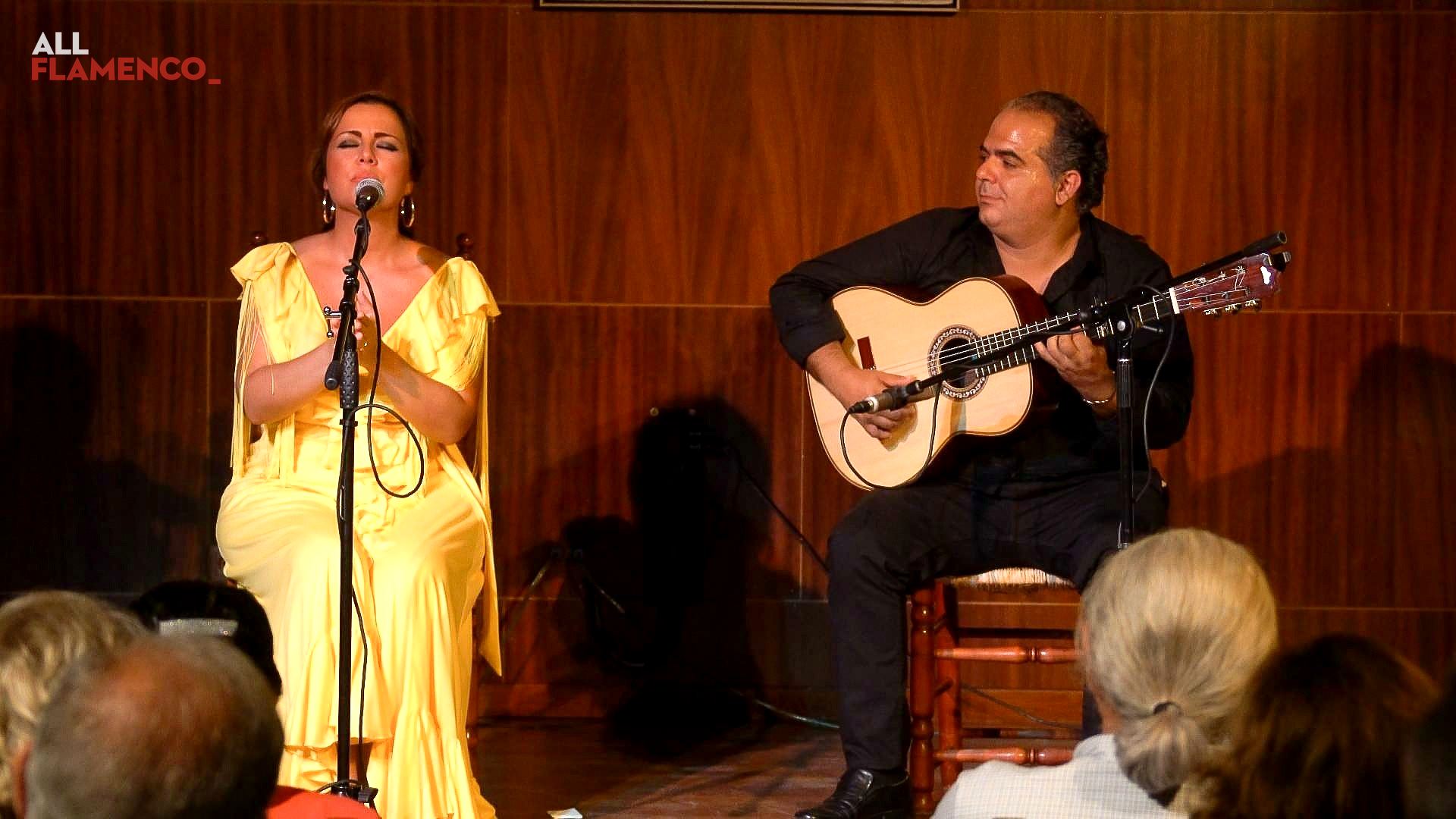
Flamenco is not a dance with music behind it, and it is not singing with a guitar accompanying. It is three separate crafts —the cante (singing), the toque (guitar) and the baile (dance)— happening at the same time and answering each other, all of it resting on a fourth thing you cannot see and which governs everything: the compás.
Almost everything that puzzles a first-time listener —why the singer seems to be going his own way, why the audience claps where it looks like there is no beat, why the dancer stops dead— is explained the moment those four words make sense. This guide is about that, not about the list of styles. The styles come afterwards.
Flamenco is Andalusian, about two hundred years old and a UNESCO heritage
Flamenco was born in Andalucía —with Jerez, Seville, Cádiz and Granada as its centres— and is documented as such from the late eighteenth century, although what lies underneath is far older. It is the result of a long mixture: the Andalusi substrate, Jewish and Christian music of the peninsula, the Castilian ballad tradition and, decisively, the contribution of the Andalusian Roma, who gave it the shape we recognise.
Professionalisation arrives in the nineteenth century, with the cafés cantantes: venues where, for the first time, people paid at the door to hear somebody sing. Before that flamenco lived in houses, in forges and at parties, and left no written trace. In 2010 UNESCO inscribed it on the Representative List of the Intangible Cultural Heritage of Humanity.
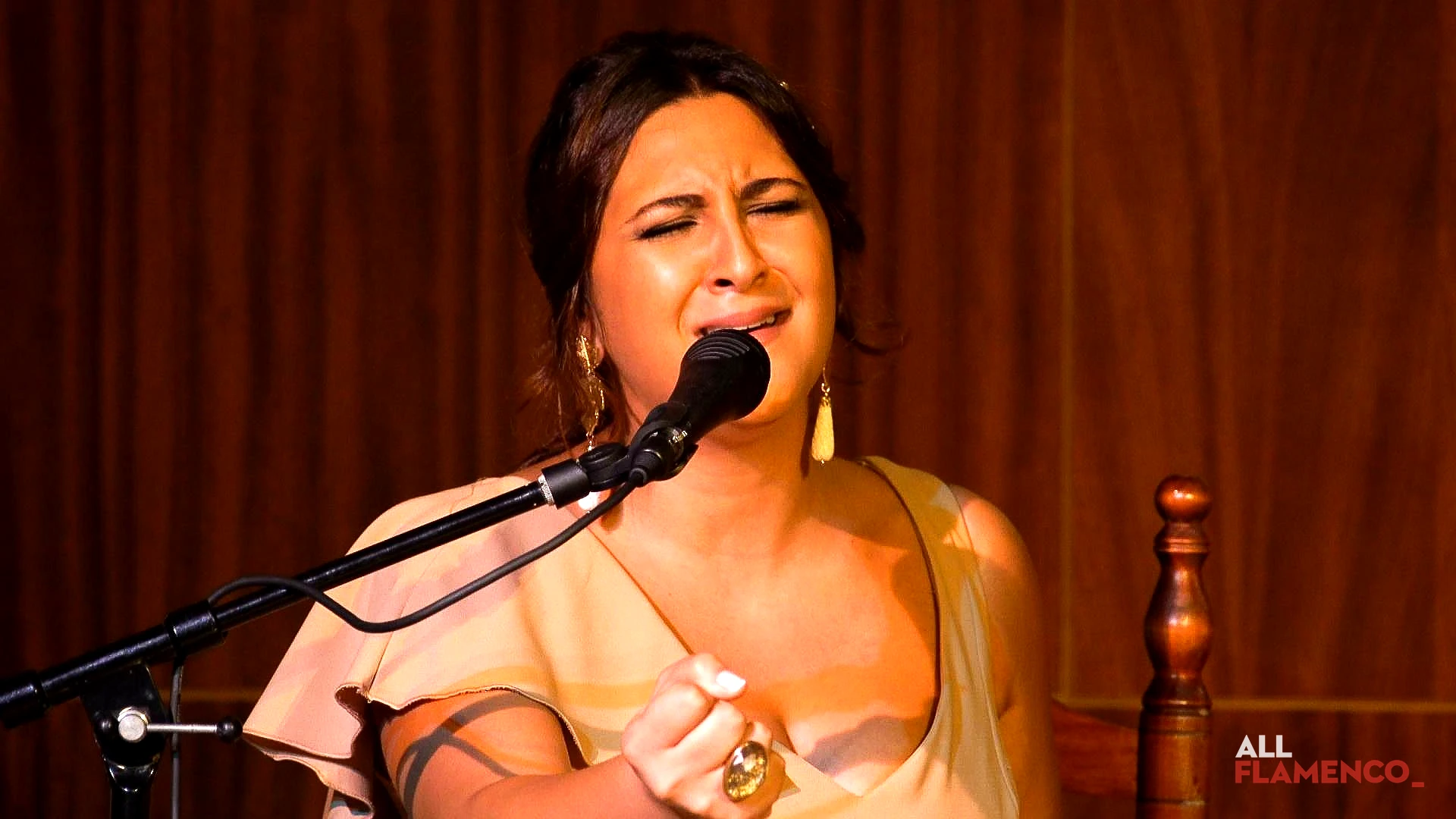
The cante is the centre, and everything else was born to accompany it
The cante is the oldest part and the one in charge. Historically it came first: there are forms sung a palo seco, with no guitar at all —the toná, the martinete, the debla— and both guitar and dance arrived later to accompany them.
It is organised into palos, families of song each with its own compás, its own harmony and its own character. Around fifty palos are usually counted, and inside each there are dozens of local and personal styles. Four are worth knowing to start: soleá (solemn, slow, the mother of many), seguiriya (the most grief-stricken), alegrías (from Cádiz, bright) and bulería (fast, festive, the one that closes the night). The full map is here: a complete guide to the flamenco palos.
⚠️ And one clarification that saves arguments: not everything that sounds Spanish is flamenco. Sevillanas are folk music with flamenco colouring, not a palo; the copla is popular song; Catalan rumba is something else again. Being played on a Spanish guitar does not make them flamenco.
The compás: why flamenco is counted to twelve
The compás is the rhythmic pattern that holds up each palo, and it is both the hardest and the most important thing. It is not “the rhythm” in the sense of speed: it is a structure of accents that everyone on stage is carrying in their head at the same time.
Some palos have a binary compás, counted in fours and understood without effort: tangos, tientos, the tanguillo. And some have twelve beats, which is what throws everybody: the soleá, the bulería, the alegrías. They are counted like this, accents in bold:
1 2 3 4 5 6 7 8 9 10 11 12
The stresses are not evenly spaced, and that unevenness is precisely what makes the music feel as though it limps and pulls forward. When somebody in the audience claps on 3, 6, 8, 10 and 12, they are not improvising: they are playing. That is why palmas are an instrument and not applause, and why being out of compás is as jarring as being out of tune.
The bulería carries the same twelve beats as the soleá but at three times the speed and with a displaced start, and that is the whole distance between the gravest palo in flamenco and the most festive one. It is the same skeleton.
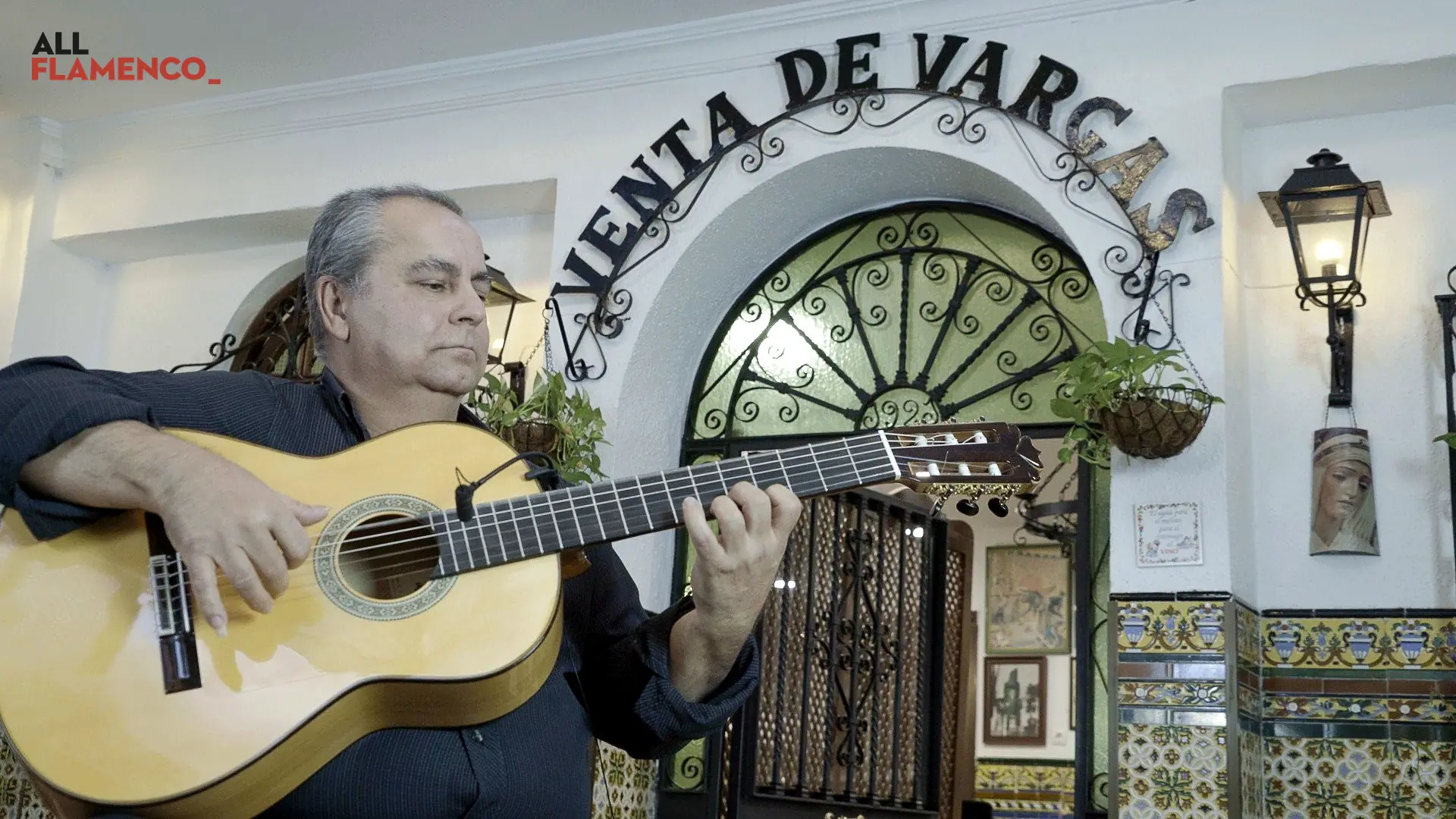
The flamenco guitar is not a classical guitar
They look alike and they are not the same. The flamenco guitar has a narrower, shallower body, is built from cypress rather than rosewood, sits its strings closer to the neck and carries a golpeador, the clear plate that protects the top from fingernail strikes. The result is a drier, more percussive sound with less sustain: designed not to swallow the singer, rather than to fill a concert hall on its own.
Its techniques are its own too: the rasgueado (fingers unfurling across the strings), the picado (fast single notes alternating index and middle finger), the alzapúa (the thumb playing up and down like a plectrum) and the trémolo, which in flamenco has five notes where the classical one has four.
And a word about «accompanying», because it misleads. The tocaor is not a backing track behind the voice: he is listening as closely as the singer, deciding in real time when to fill a silence and when to leave it alone, and the singer is listening back. The two go together and neither is entirely in charge. That is why the same palo, with the same lyric, never comes out twice the same.
For a century and a half the guitar was accompaniment and nothing else. That solo flamenco guitar concerts exist at all is recent, and it has a name attached: Paco de Lucía.
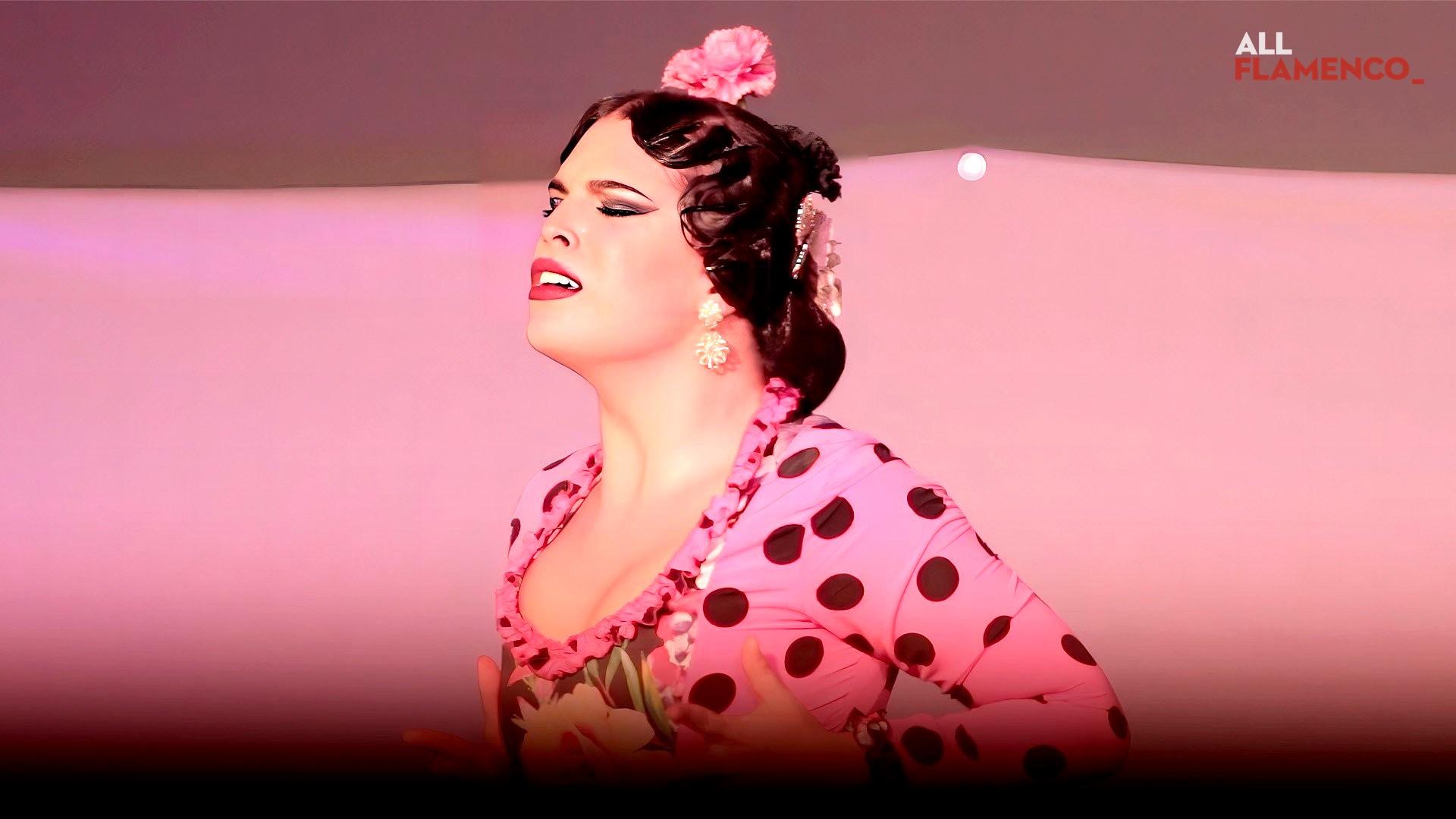
The baile is heard before it is watched
Flamenco dance is percussion and drawing at the same time. The feet —the zapateado— are a rhythm instrument in dialogue with the guitar and the palmas; the arms and hands carry the line, the long phrase, and they are what takes longest to learn. Silence is part of it: a dancer who stops dead and does nothing for four beats is dancing.
It is not fixed choreography. In a tablao the dance is built in the moment through agreed signals: the dancer calls —marks a close with the body— and the guitarist and the singer follow. Which is why two performances of the same show do not last the same.
The duende has an author and a date
The word is used today for almost anything, and it is worth knowing where it comes from. Duende as an aesthetic concept was formulated by Federico García Lorca in a lecture given on 20 October 1933 in Buenos Aires, published as Teoría y juego del duende. (The title also circulates the other way round, as «Juego y teoría del duende».) Lorca separated three things: the muse, which gives ideas; the angel, which gives grace; and the duende, which gives nothing and instead takes away — it is what appears when the artist has something real at stake.
Put practically: duende is not a technique and cannot be requested. It is the name given to the three or four minutes, in a whole night, when everyone in the room knows something is happening. And there are nights when nothing does.
How to listen to your first flamenco without getting lost
1. Count to twelve. Even if you cannot follow it, find the palmas and count along with them. The moment you find the 12, everything else falls into place.
2. Do not wait for a chorus. The cante does not repeat like a pop song. Each tercio —each phrase— is a unit, and the guitar fills the gaps between them.
3. Watch who the guitarist is watching. He is following the singer or the dancer, not the other way round. That tells you who is in charge at any moment.
4. Start with alegrías or tangos. They are the friendliest palos to come in on. The seguiriya, first time out, tends to feel harsh.
5. Listen to one thing at a time. A whole section attending only to the feet. Another only to the words. Another only to the guitar. Far more effective than trying to hear everything at once.
The ten words you are going to hear
Cantaor / cantaora. The person who sings flamenco. Not “singer”: the word is that one.
Tocaor. The guitarist.
Bailaor / bailaora. The dancer. Not “dancer” either, in Spanish.
Palo. Each family of song: soleá, bulería, tangos, seguiriya…
Letra. The verse. A cante is made of several letras strung together.
Tercio. Each musical phrase inside a letra. It is the real unit of the cante.
Falseta. The passage the guitar plays alone between two letras.
Jaleo. The shouts —”¡olé!”, “¡vamos ya!”— from the audience and the group on stage. Not enthusiasm: it is done in compás, and it both encourages and marks.
Quejío. The long lament that opens or closes a cante.
Remate. The close of a section, when dance, cante and guitar land together on the same beat.
Where real flamenco is seen
The tablao. A venue with a small stage and the audience close, almost always with dinner or a drink. It is where flamenco happens every night and where a full company can be seen from three metres away. The good part is the distance. The thing to know: there are historic tablaos and there are coach-party tablaos, and the difference shows in whether the performers are listening to each other or watching the clock.
The peña flamenca. An enthusiasts’ club, with members and no kitchen. Here the audience knows, falls silent for the cante and jaleos in the right place. It is the purest way to hear it and the least prepared for a visitor: no translation, no explanation and sometimes not even a poster.
The festival. Summer, open air, mostly in Andalusian towns. Long programmes, late starts, finishing at dawn. It is the circuit where a singer is measured.
The theatre. Company productions, with direction, costume and lighting. The most elaborate flamenco and the least improvised. A good place to start, precisely because it is explained.
Five hours to really understand it
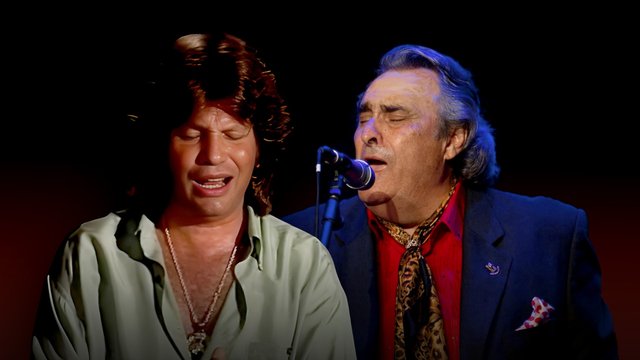
What does not fit in an article fits in a class. These four programmes from the ALL FLAMENCO catalogue are Camerata Flamenco Project taking one palo apart per episode —its history, its compás, its harmony and its oddities— and the fifth gathers the voices that made the genre:
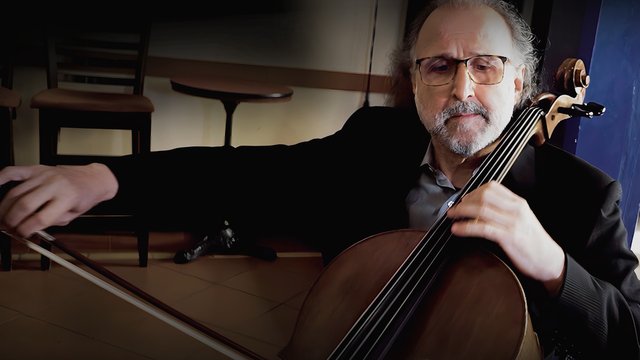
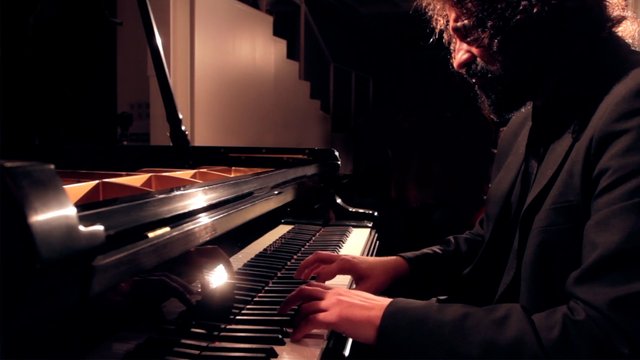
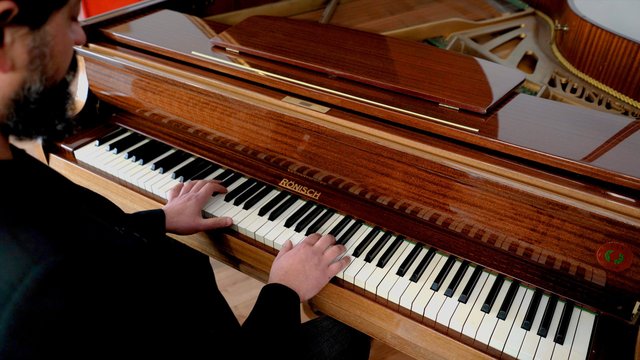
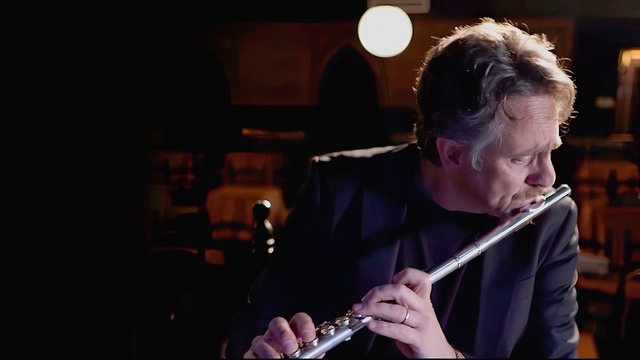
And if you would rather watch it than study it, «Adela Campallo al baile», from the Jerez Off Festival, is a full hour of tablao: the same three things this article is about, happening at once, ten metres from the camera. The documentation of the Andalusian Flamenco Institute is there for whatever comes next.