
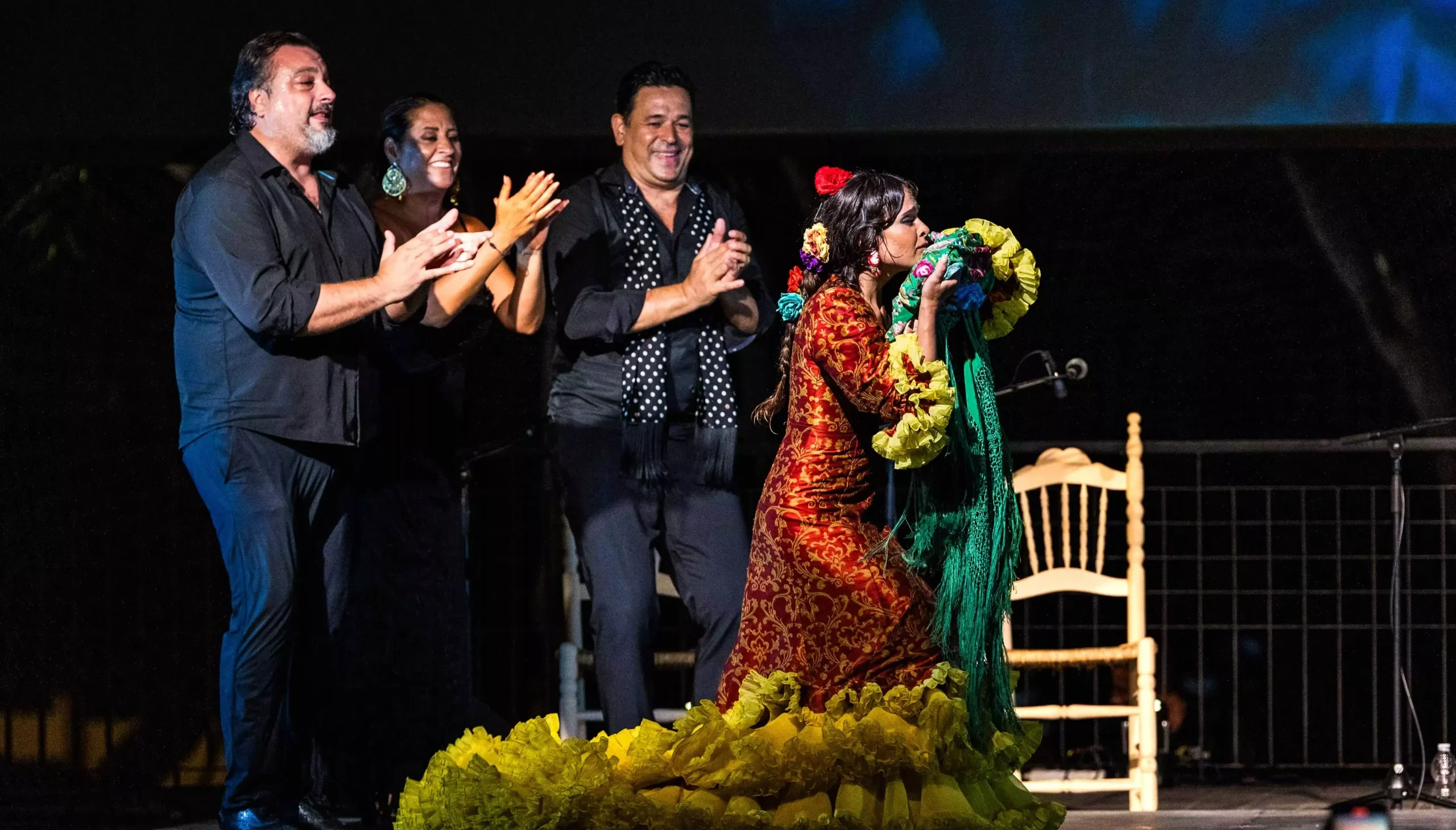
There are places you visit. And there are places you listen to. Andalusia belongs to the second category: a land that is not only explored with the eyes, but also with the ears, the memory and the emotions. To speak of Andalusia is to speak of a culture in which flamenco is part of the emotional landscape, the identity of its neighborhoods and the way people experience life in the streets. It is not only music or an artistic expression: it is a way of feeling, of telling life, of expressing pain, joy, pride, grief and celebration.
The origin of flamenco cannot be reduced to one exact place or explained through a single theory. Its history is complex, mixed and profoundly Andalusian. It was born from cultural crossings, popular traditions, shared memories and centuries of coexistence between peoples, sounds and ways of understanding the world. That richness of influences is precisely what makes cante jondo one of the deepest and most fascinating cultural expressions of Andalusia.
If one had to point to an essential map of the birth and development of flamenco, one of its fundamental axes would lie in the territory linking Triana, Jerez and the Bay of Cádiz. In this emotional triangle, flamenco ceased to be only a popular expression and became one of the great cultural languages of Andalusia. Traveling through these places is not only a form of cultural tourism: it is a way of approaching the land where flamenco began to become aware of itself and shape its identity.
Triana: rhythm, neighborhood and flamenco memory
Triana, in Seville, is one of those places where flamenco seems to rise from every corner. It is not only a neighborhood: it is a symbol. It is rhythm, community, memory, creativity and popular pride. The history of flamenco cannot be understood without Triana, without its patios, without its old communal spaces and without that unique way of turning everyday life into a form of singing, playing and feeling.
Walking through Triana means walking through one of the places most intimately linked to cante jondo. There, flamenco seems to be part of the air, of the conversations and of the rhythm of the neighborhood itself. And from Triana, the journey can continue to other key towns in the province of Seville such as Utrera, Lebrija, Mairena del Alcor and Morón de la Frontera, territories that still sustain an essential part of the Andalusian flamenco imagination.
Jerez de la Frontera: a city where flamenco breathes through every street
If there is one city where flamenco does not seem like an addition but a way of existing, it is Jerez de la Frontera. Jerez is cante, rhythm, peñas, tabancos, neighborhood life and celebration. It is one of the great centers of Andalusian flamenco and an essential stop for anyone who wants to understand cante jondo from within.
Its neighborhoods of Santiago and San Miguel are part of the deepest flamenco imagination. In them, cante has passed from generation to generation as a living, everyday and deeply rooted heritage. In Jerez, flamenco does not feel separate from the city: it is part of its breathing, its pulse and its identity. Here, travelers discover that cante jondo is not only heard on a stage, but also in the memory of its streets, in its celebrations, in its tabancos and in the way the city relates to its own tradition.
La Isla de San Fernando: Camarón and a universal emotion
Alongside Jerez, one must also look to La Isla de San Fernando, a name forever linked to the figure of Camarón de la Isla. To speak of San Fernando is to speak of one of the most universal artists in flamenco history and of a city that turned his memory into part of its cultural identity. Camarón did not only transform cante; he also projected Andalusia to the world through an artistic truth unlike any other.
San Fernando has become a place of emotional pilgrimage for those who love flamenco. The city allows visitors to follow Camarón’s memory, approach his origins and better understand the bond between a specific land and a voice that changed the history of cante. To speak of Andalusian flamenco without stopping in La Isla would be to leave out one of its greatest names and one of the cities that best represent the emotion, roots and international reach of cante jondo.
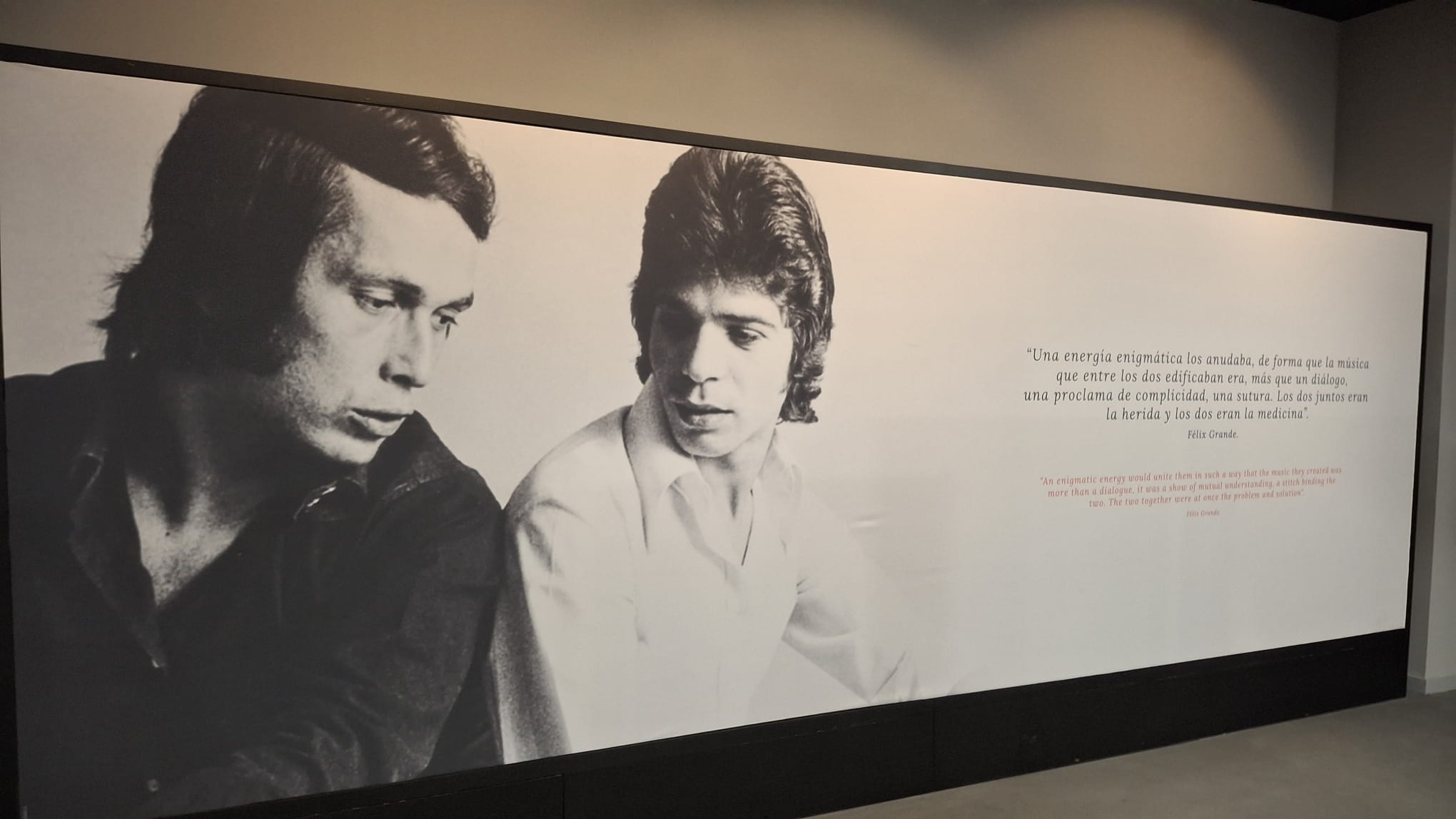
Foto Javier Fernández Museo de Camaron
Cádiz and the Bay: popular roots and universal projection
The journey to the origins of flamenco also leads to Cádiz and its Bay, where cante jondo takes on a bright, popular and deeply genuine personality. Here flamenco blends with the sea, with the open character of the coast and with a very distinctive way of understanding rhythm, grace and emotion.
Cádiz and its surroundings have given flamenco some of its great voices and universal figures. In this territory, tradition is not preserved like a relic, but as a living energy. It is a land where flamenco has managed to keep its roots while also projecting itself to the world, and where essential names in the history of cante and guitar remain part of a collective memory that still beats in its streets.
Granada: cante jondo between Sacromonte and poetry
If Seville, Jerez and Cádiz explain a decisive part of the birth of flamenco, Granada contributes another essential dimension: that of cante jondo as cultural, artistic and poetic awareness. Granada holds a central place in this story thanks to the symbolic strength of Sacromonte, the old Roma neighborhood, and the tradition of the zambras, which give the city a unique and unmistakable flamenco personality.
To that popular root is added the cultural and literary dimension Granada brought to cante jondo. Here, flamenco was not only lived: it was also thought about, defended and elevated as a symbol of a deep Andalusian sensibility. In Granada, travelers find a unique combination of monumental heritage, memory-filled neighborhoods and a jondo tradition that remains alive in peñas, caves, recitals and festivals.
Córdoba: the revaluation of flamenco art
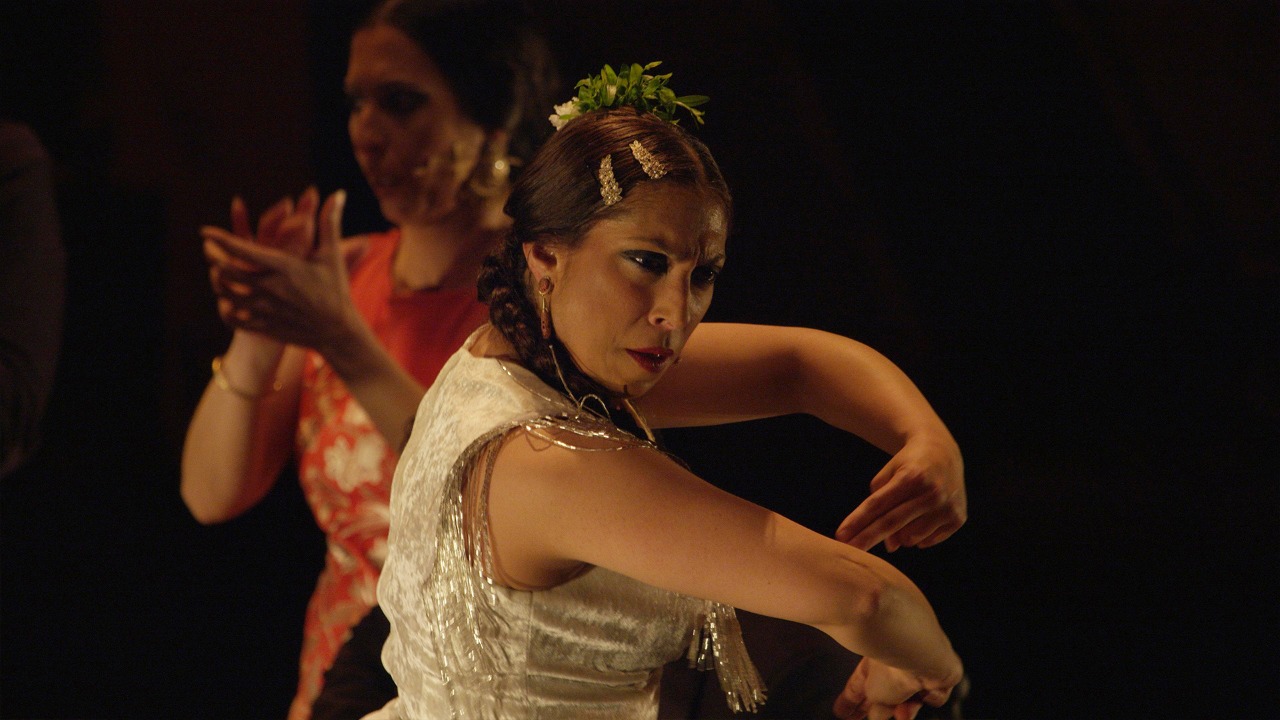
Córdoba also holds a fundamental place in the history of flamenco, not only because of its artistic tradition, but because of its role in the recognition and revaluation of the genre. The city was key in consolidating flamenco as a first-rate cultural expression, and today it remains an essential destination for those who wish to approach this tradition from a broader perspective.
Córdoba offers visitors a flamenco that coexists with the weight of history, with its patios, squares and serene monumentality. Here, cante jondo appears as a natural extension of the city itself: deep, sober, elegant and full of nuance. It is one of those stops that helps us understand that flamenco has also been a process of preserving, defending and recognizing a unique cultural legacy.
Málaga: memory, dissemination and flamenco passion
Málaga is another of Andalusia’s great cities where flamenco has found a strong space for preservation, dissemination and passion. The city has helped keep flamenco memory alive and bring it closer to new generations, becoming an important reference point on the Andalusian cultural map.
In Málaga, travelers discover that flamenco can coexist with the vitality of a great city open to the sea without losing depth or authenticity. It is a territory where devotion, peñas and a strong commitment to sharing the art have allowed cante jondo to remain vibrant. Málaga shows that flamenco does not belong only to the past, but also to the present of Andalusia.
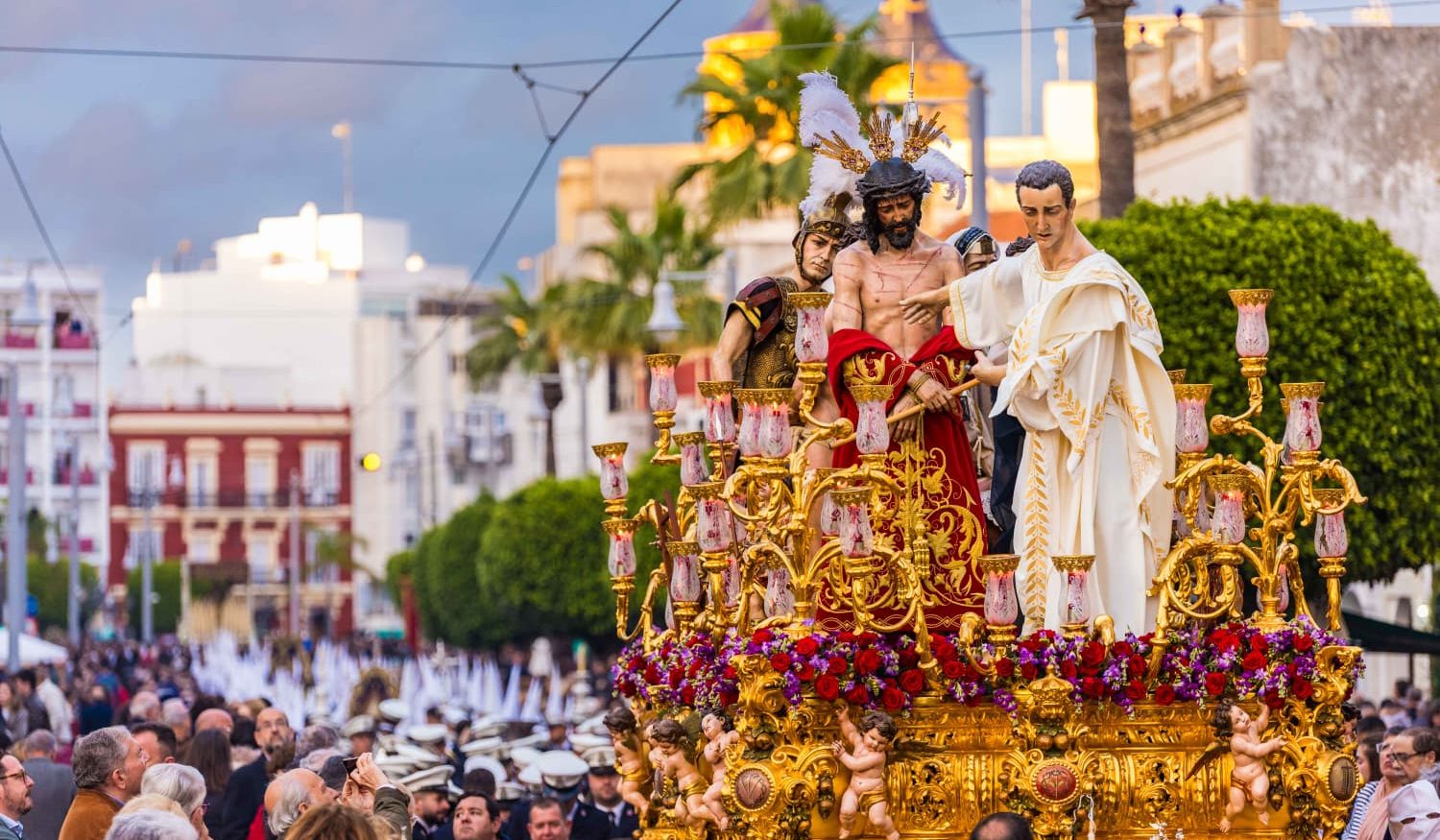
foto Juan Antonio Bernal.
Huelva: the voice of the fandango
No journey through flamenco Andalusia would be complete without looking toward Huelva, where the fandango holds a central place. Huelva represents another way of understanding cante jondo: an expression deeply linked to the land, to the voice of its regions and to a tradition that has given this province a unique personality.
Here, flamenco once again reminds us that it was not born from one single city or one single style, but from a network of landscapes, accents and emotions. Huelva contributes to the Andalusian flamenco map with a sound that is unmistakable and deeply rooted in the land. Traveling here means discovering another Andalusia, equally profound, where cante rises from the identity of its towns.
Almería and Jaén: inland Andalusia and flamenco
The geography of flamenco also extends toward Almería and Jaén, two provinces that help explain just how truly Andalusian flamenco is in its full breadth. In these territories, cante jondo is linked to other landscapes, other memories and other ways of life, enriching even more the diversity of flamenco.
Here appear accents, styles and traditions that remind us Andalusia does not offer one single flamenco center, but a complete geography of singing, guitar and dance. It is proof that flamenco belongs not only to a few legendary cities, but to an entire land that has shaped it from many different places.
A journey through Andalusia through flamenco
That is why traveling through Andalusia through flamenco is much more than following a musical route. It means entering neighborhoods, peñas, squares, tabancos, caves and cities where cante jondo is part of everyday life. It means understanding that flamenco was not born on a stage, but in a territory. And it means discovering that, from Triana to Jerez, from La Isla de San Fernando to Cádiz, from Granada to Córdoba, Málaga, Huelva, Almería and Jaén, Andalusia still preserves the power to move anyone who truly comes to listen.
This journey is measured not only in kilometers, but in sensations. In every city, every neighborhood and every corner, flamenco offers a different way of approaching Andalusia. Sometimes it is intimacy. Sometimes it is strength. Sometimes it is celebration. Sometimes it is a wound. But it is always truth.
Andalusia, a land to be felt from within
If you travel to Andalusia in spring, this itinerary can also become a perfect way to discover another of the region’s great souls. Because in Andalusia, tradition, street life, emotion and culture are not separate worlds, but parts of the same way of living.
Flamenco helps us understand that this land is not observed from the outside, but felt from within. It is not only heritage, nor only performance, nor only memory. It is a way of looking at the world, of transforming experience into emotion and of turning identity into art.
Because Andalusia does not only have flamenco.
Andalusia is flamenco.