
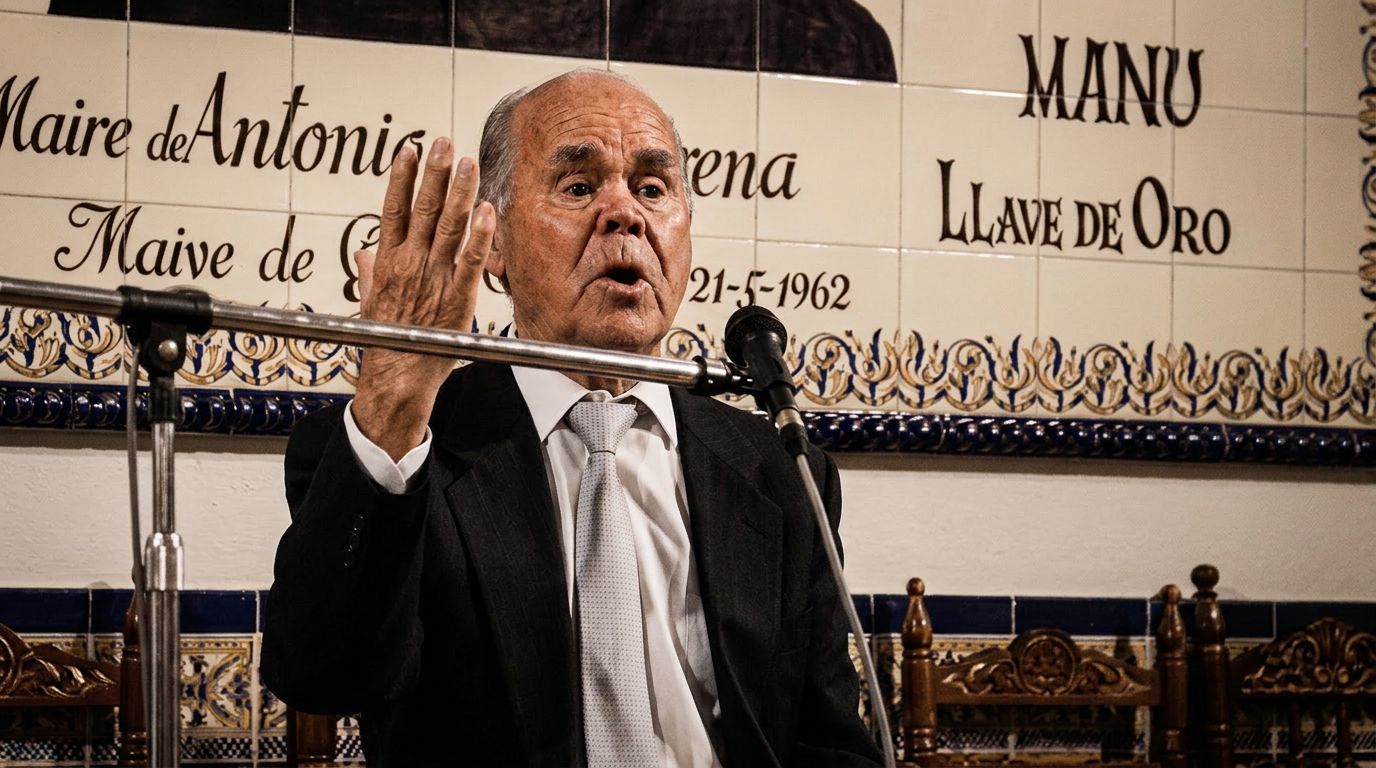
On June 26, 2026, we mark the 100th anniversary of the birth of José Llerena Ramos, universally known as El Chato de La Isla — one of those essential voices for understanding flamenco as something lived from the roots, from experience, and from the truth of song. Born in San Fernando, Cádiz, in 1926, El Chato belonged to a generation of artists who made flamenco a way of life before it was ever a public career: singers forged in gatherings, ventas, tablaos, and nights among true flamenco lovers.
His story began very early. As a child, he started singing on the trams that connected San Fernando with Cádiz, where his voice quickly caught the attention of passengers. Those first songs, born from both necessity and instinct, already revealed an absolute vocation: El Chato sang because, as is often said of true artists, he was born to sing.
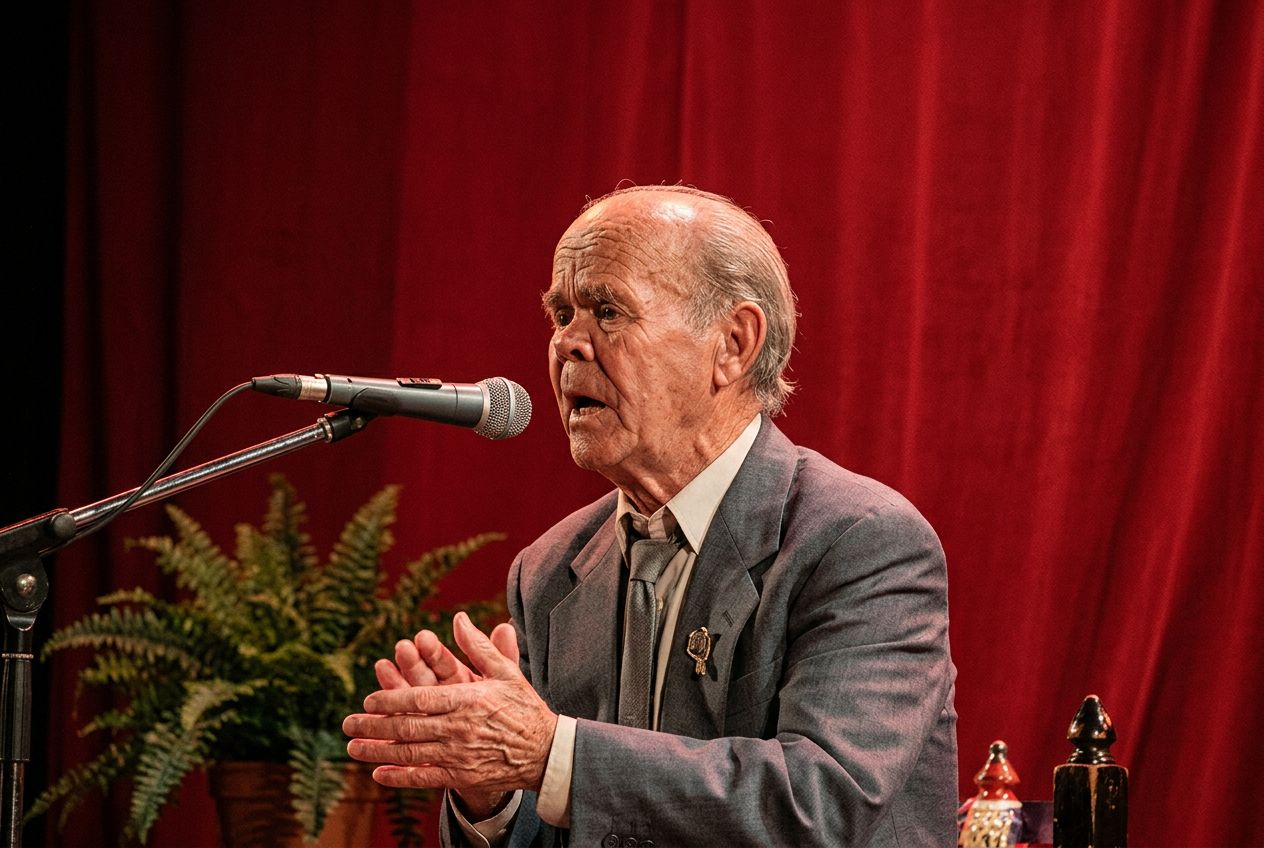
San Fernando — “La Isla” — was his first artistic territory. There he grew up surrounded by rhythm, festive gatherings, and a deeply rooted Gaditan flamenco tradition. The legendary Venta de Vargas, a mythical place for generations of flamenco artists, is closely linked to his memory as a space of artistic coexistence, learning, and recognition among aficionados. In that atmosphere, he developed into a singer of great knowledge, especially admired for his command of rhythmic flamenco styles and for a direct, clean, and deeply moving way of interpreting the cante.
In the 1960s, El Chato de La Isla moved to Madrid, where he developed an essential part of his professional career. There he worked in emblematic tablaos and shared the stage with major flamenco figures of his time. His presence in venues such as Las Brujas places him among a generation of singers who sustained flamenco night after night in Madrid’s tablaos: artists of immense craft, capable of accompanying dance, carrying an evening of song, and creating unforgettable moments in intimate gatherings and flamenco circles.
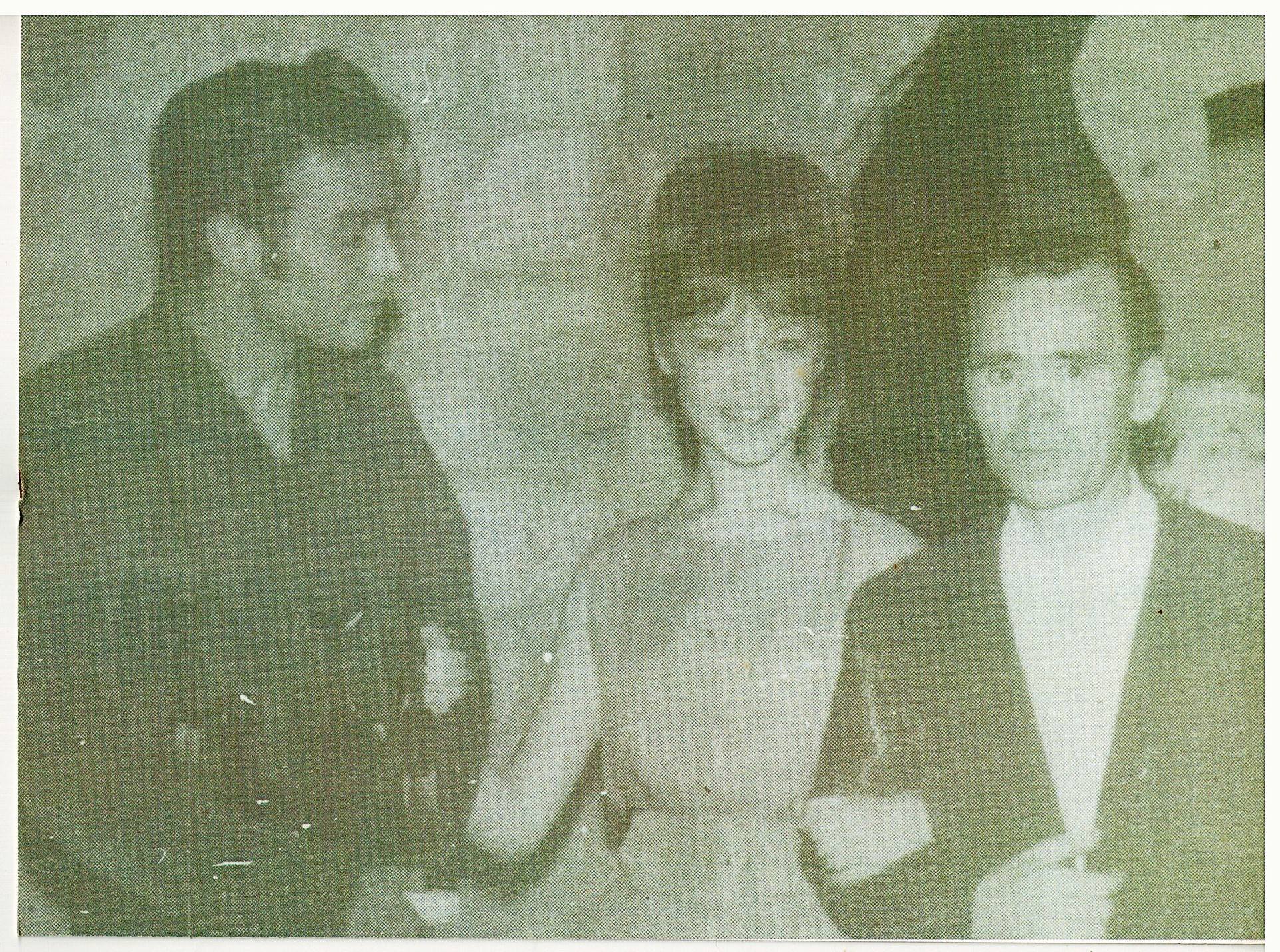
Foto cedida por la Peña El Chato de La Isla
El Chato was not an artist of artifice. His singing bore the mark of naturalness: a recognizable voice, a very Gaditan sense of rhythm, and a delivery free of affectation. He was a singer cherished by knowledgeable flamenco lovers — one of those names that may not always occupy the biggest headlines, but remains in memory because he represents an essential way of understanding flamenco: respect for the cante, lived experience, and oral transmission.
In 2026, his centenary carries an additional symbolic value: it marks 100 years since his birth and also 20 years since his passing, on August 5, 2006. This coincidence makes the anniversary an especially meaningful occasion to revisit the career of José Llerena Ramos and place his name where it belongs within flamenco memory.
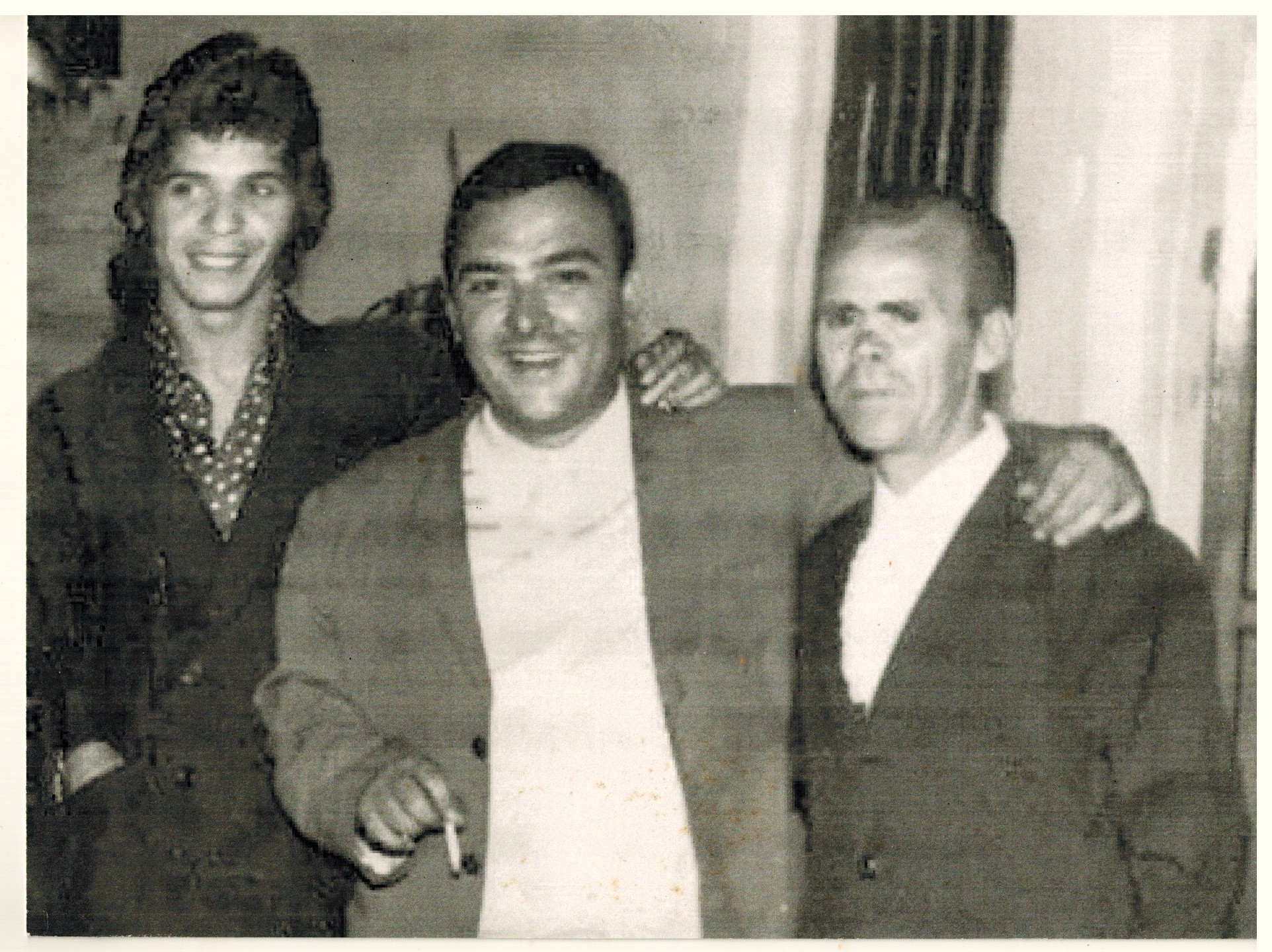
Foto cedida por la Peña El Chato de La Isla de San Fernando
For this reason, ALL FLAMENCO is joining this tribute with a special program dedicated to El Chato de La Isla, including the broadcast of several programs, recitals, and special contents that will allow audiences to reconnect with his artistry. It will be an opportunity to listen once again to his singing with the attention it deserves, rediscover his artistic personality, and honor one of those performers who form part of flamenco’s living heritage.
To remember El Chato de La Isla is not only to celebrate an anniversary. It is to return to a way of singing with truth, rhythm, and memory. It is to recognize an artist who carried the name of San Fernando through the paths of flamenco and who left, in every phrase, the mark of singers who need no embellishment in order to move us.
This June, ALL FLAMENCO celebrates the centenary of El Chato de La Isla: one hundred years of a true flamenco singer.