
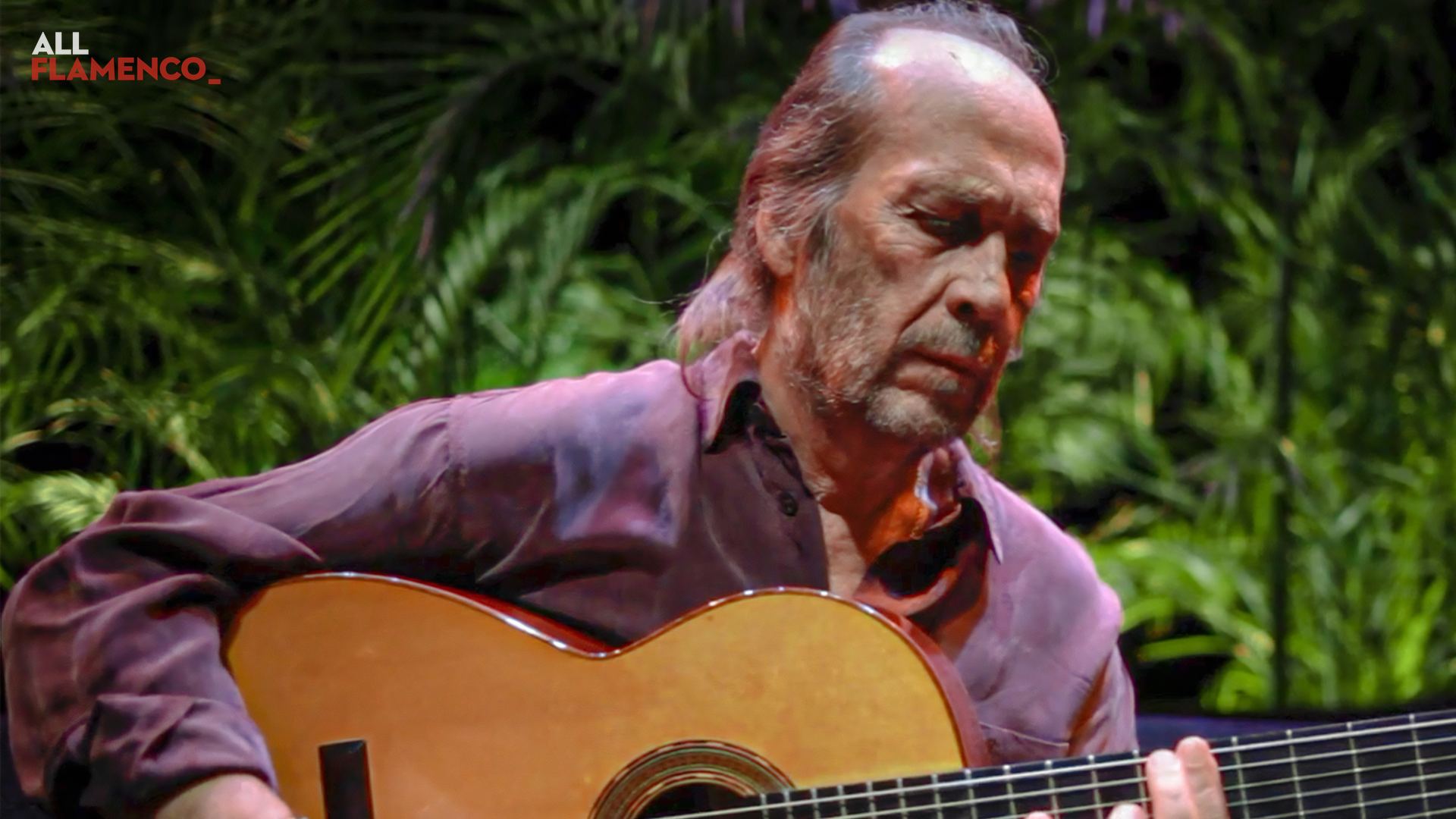
Madrid, 1973. Paco de Lucía was a few minutes short of a finished album, so he sat down in the studio and improvised over a rumba. It took four takes. He called it «Entre dos aguas» and used it as filler on «Fuente y caudal», a record that sold almost nothing on release and was close to being deleted from the catalogue within months.
It was his manager at the time, Jesús Quintero, who insisted on releasing that rumba as a single and who pushed journalists —Moncho Alpuente, Carlos Tena, Gonzalo García Pelayo— to get it played on Spanish national radio and television. The single came out in October 1974. It spent twenty-two weeks high in the charts, passed 300,000 copies and was certified gold in 1976. A flamenco guitarist was suddenly the best-selling artist in Spain.
Everything else grows out of that misunderstanding —a throwaway track turned anthem. Because what Paco de Lucía did to flamenco from then on was not to popularise it. It was to rebuild it from the inside.
The Boy Whose Childhood the Guitar Took Away
Francisco Sánchez Gómez was born in Algeciras (Cádiz) on 21 December 1947, the youngest of five children in a poor household of the Campo de Gibraltar. His father, Antonio Sánchez Pecino, was a guitarist known locally as «el Gitano Rubio», the fair-haired gypsy. His mother, Lucía Gomes Gonçalves, was Portuguese. The name comes from her: in the street he was not Francisco but «Paco, Lucía’s boy». It stuck for life, and in 1998 he gave her a whole album, «Luzía».
He picked up a guitar at six. At nine, the family’s poverty turned that into a trade: hours of practice every day, far more than any child would choose. It is the part of the legend usually told as heroism and which he told as what it was —a childhood handed over to an instrument— but also as the reason he could make a living from playing by the age of fifteen.
Madrid, America and the Advice That Changed His Course
The family moved to Madrid in search of a better life. Paco was fifteen and joined the company of the dancer José Greco, touring the Americas for months. On that trip he met Sabicas, the exiled guitarist from Navarre who had taken flamenco abroad before anyone else, and Sabicas told him the one thing he needed to hear: stop playing like Niño Ricardo and find your own way.
He took the advice, though it took time. In 1964 he recorded his first album already signing as Paco de Lucía —he still alternated it with Paco de Algeciras— and began accompanying singers of the stature of Fosforito and El Lebrijano. In 1967 came «La fabulosa guitarra de Paco de Lucía», his first real success: Niño Ricardo is still audible in it, but something else is showing through. By 1969, with «Fantasía flamenca», that something else has a name of its own. Paco was twenty-two.
18 February 1975: the Crossed Leg at the Teatro Real
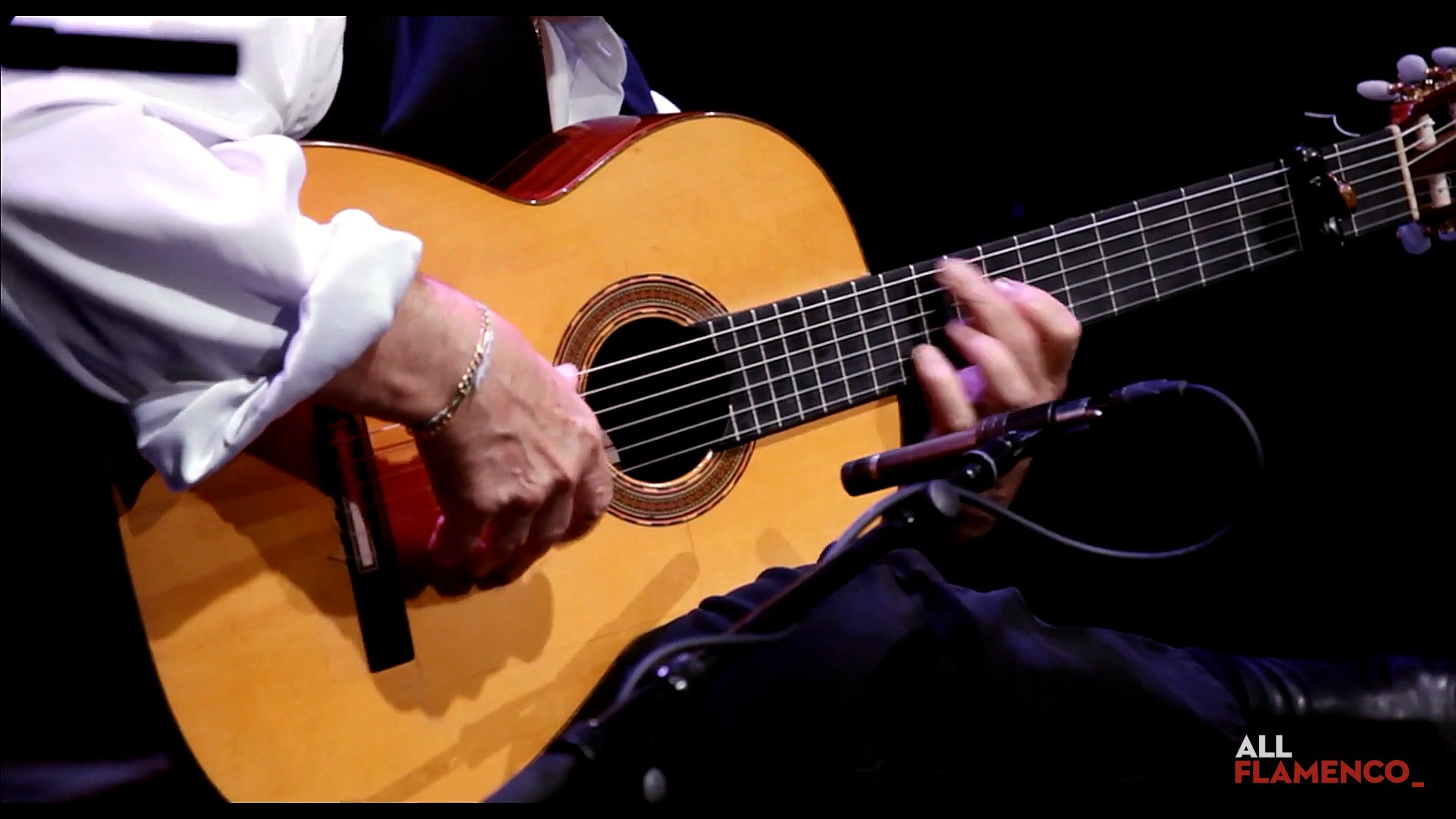
Madrid’s Teatro Real was the temple of classical music in Spain, and no flamenco artist had ever played there. Paco de Lucía did, on 18 February 1975, with his brother Ramón de Algeciras beside him and the house full. That night produced his first live album, «En vivo desde el Teatro Real», with eight forms —alegrías, tarantas, granaínas, zapateado, soleá, fandangos, guajiras and rumba— summing up his career so far.
The concert was controversial for two reasons, and the second has outlasted the first. The first was that a flamenco player was on that stage at all. The second was that he sat with one leg crossed, resting the guitar on it, instead of the traditional posture. It gave him the reach to chain chords in fewer bars. Today it is how half the world sits down to play.
Camarón, or the Decade Flamenco Split in Two
They met in the early sixties at the juergas of Torres Bermejas, where Camarón de la Isla was singing for far less than he was worth. They worked together from 1969 to 1979, made nine albums and became close friends. Those sleeves carried the period’s «with the special collaboration of Paco de Lucía», and inside was flamenco that was at once the most orthodox and the newest being made. They even invented a form of their own, the canastera.
The relationship later broke down over rights, over Camarón’s private life and partly over the role of Paco’s father, who controlled the production of those records. It was patched up in stretches and finally came apart. What never came apart was the admiration. In the profile Spain’s Ministry of Culture devotes to him, Paco puts it like this.
I never wanted to be a concert performer, because what I have loved since I was a child was singing; I hid behind the guitar. I am a frustrated cantaor.
BIO
Name and birth
Francisco Sánchez Gómez, «Paco de Lucía».
Algeciras (Cádiz), 21 December 1947. The youngest of five.
The nickname comes from his mother: in the street he was «Paco, Lucía’s boy».
A flamenco family
Father: Antonio Sánchez Pecino, guitarist, «el Gitano Rubio».
Mother: Lucía Gomes Gonçalves, Portuguese.
Brothers: Ramón de Algeciras (guitar) and Pepe de Lucía (voice), both in his sextet.
The albums that mark the road
La fabulosa guitarra de Paco de Lucía (1967), the first success.
Fuente y caudal (1973), with «Entre dos aguas».
Friday Night in San Francisco (1981), with McLaughlin and Di Meola.
Luzía (1998), dedicated to his mother.
Canción andaluza (2014), the last one he finished.
Saturday Night in San Francisco (2022), released eight years after his death.
Awards
National Flamenco Art Competition of Córdoba (1968).
Gold Medal of Merit in the Fine Arts (1992).
Prince of Asturias Award for the Arts (2004).
Doctor honoris causa, Berklee College of Music (8 May 2010).
Gold Medal of Merit at Work, posthumously (2014).
Death
Playa del Carmen (Quintana Roo, Mexico), 25 February 2014, aged sixty-six.
The Sextet, or How to Put a Flute Inside Flamenco
In 1981 he formed the Paco de Lucía Sextet and with it invented what we now take for granted: the modern flamenco group. Two guitars —his own and Ramón de Algeciras’s—, his brother Pepe de Lucía on vocals, Jorge Pardo on flute and saxophone, Carles Benavent on electric bass and Rubem Dantas on percussion. In the flamenco of the day there was simply no precedent for it. (The Princess of Asturias Foundation dates the sextet to 1981; other biographies bring it forward to 1980, when he was already playing with that line-up under no fixed name.)
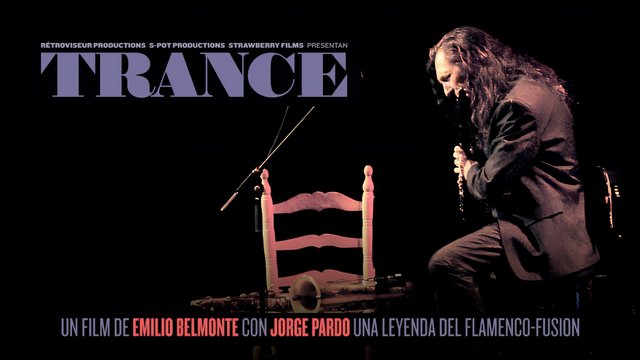
It was Dantas who brought from Peru the instrument that has changed the sound of the genre most since: the cajón. Today a flamenco group is unthinkable without it, and it has been here for less than fifty years. On ALL FLAMENCO you can watch that same flautist tell his own story in «Trance», and the Camerata Flamenco Project showing where that language enters chamber music.
«Friday Night», a Million Copies and a Night That Took Forty Years to Surface
His other door was jazz, and he opened it early: by 1967 he had already recorded with the saxophonist Pedro Iturralde. But the leap came in 1980, in San Francisco, with guitarists John McLaughlin and Al Di Meola. Those nights produced «Friday Night in San Francisco», which according to the Princess of Asturias Foundation passed a million copies — an unimaginable figure for someone coming out of flamenco.
And there is an epilogue almost nobody saw coming: the recording of the following night sat in a drawer for forty-two years and was released in 2022 as «Saturday Night in San Francisco». Eight years after his death, Paco de Lucía was still putting out records. His albums, one by one, are listed on his Foundation’s website.
Aranjuez, Asturias and a Doctorate in Boston
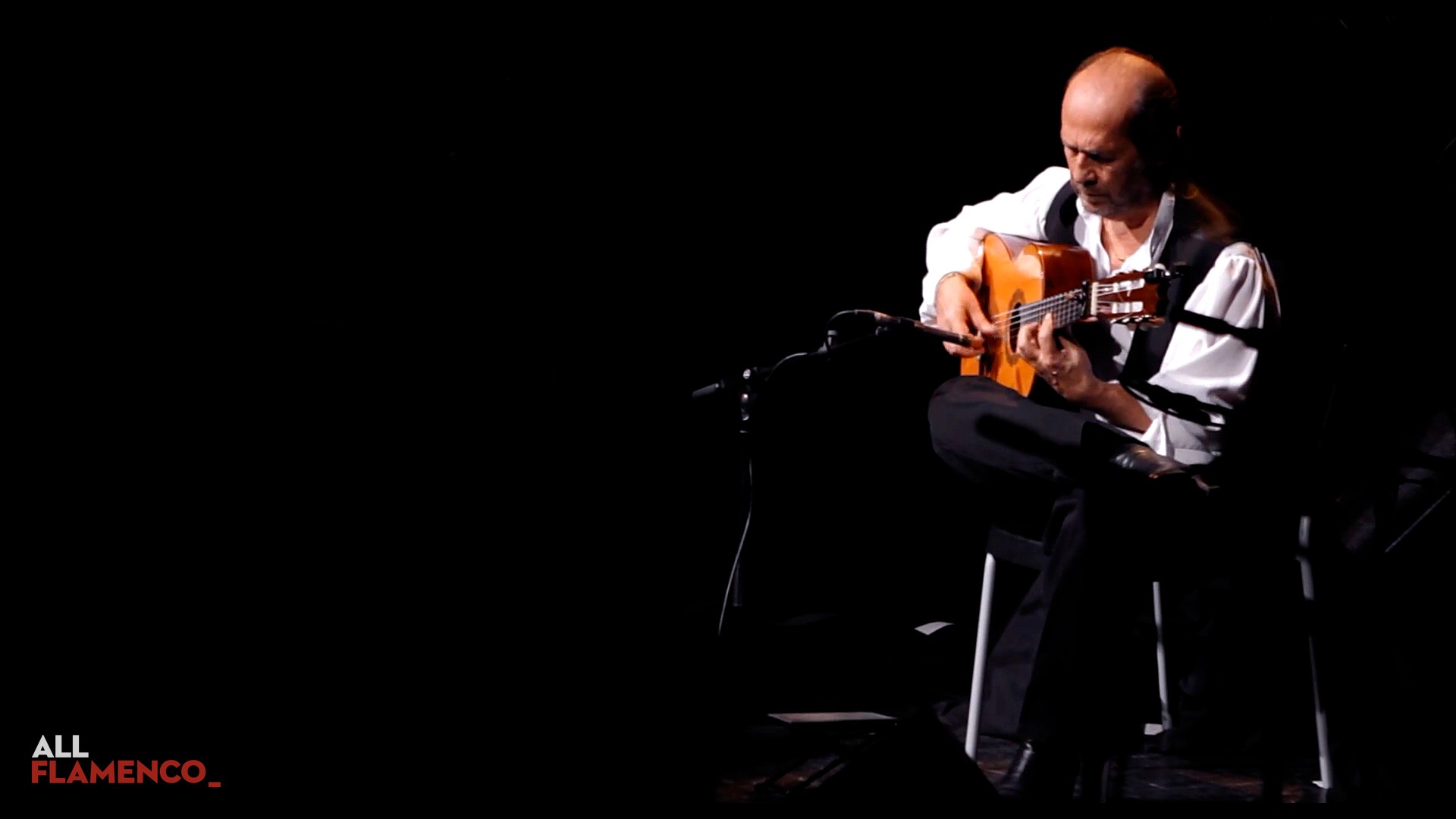
He never left traditional flamenco behind while doing everything else, and that is why he was never accused of having walked away. In 1991 he recorded Joaquín Rodrigo’s Concierto de Aranjuez in a reading so personal it became one of the reference versions. In 1992 he received the Gold Medal of Merit in the Fine Arts; in 2004, the Prince of Asturias Award for the Arts, whose jury described him as a musician who had transcended borders and styles to become a musician of universal stature.
And on 8 May 2010, Berklee College of Music in Boston made him a doctor honoris causa in front of six thousand people. He was the first Spanish composer to receive it, on a list that begins with Duke Ellington.
Playa del Carmen
Paco de Lucía died on 25 February 2014, aged sixty-six, in Playa del Carmen, the town on the Mexican Caribbean where he spent long stretches resting. That same year the Spanish government awarded him, posthumously, the Gold Medal of Merit at Work, presented on 4 November at the National Library.
What He Left Behind, and What You Still Hear Every Day
It is easy to reduce Paco de Lucía to speed and get him completely wrong. What he actually did was something else: he widened flamenco’s harmony, brought in instruments it did not have —electric bass, bongo, flute, cajón—, took it out of the tablao and put it in concert halls. And he did it without breaking its structure or its compás, which is the hard part. He described it with an image that explains it better than any analysis: he played «with one hand holding on to tradition and the other scratching around, searching».
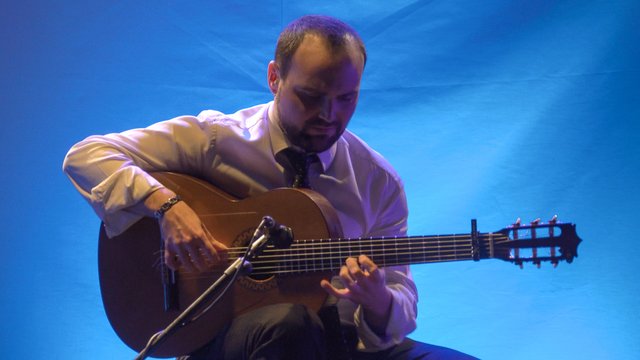
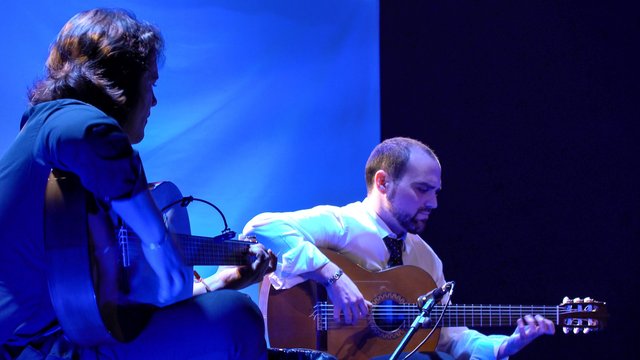
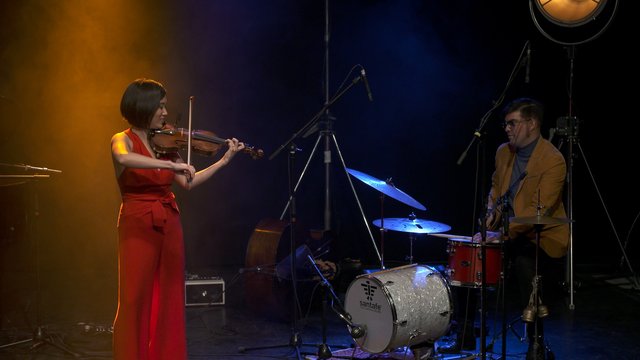
You hear it every time a guitarist sits down with one leg crossed, every time a cajón sounds in a flamenco group, and you hear it literally in our catalogue: «Entre dos aguas» played by Santiago Lara at the Festival de Jerez, inside his show «La Guitarra en el Tiempo», or the Maureen Choi Quartet’s «Cepa andaluza», where the filler rumba ends up in the hands of a jazz violin.
The Foundation, on the Same Stage as in ’75
On 24 September 2021 the family presented the Paco de Lucía Foundation in the Falla room of the Teatro Real: the same theatre where he had opened the door forty-six years earlier. It is chaired by his widow, Gabriela Canseco; his brother Pepe de Lucía is honorary trustee, and the board includes his children alongside Sara Baras, Alejandro Sanz and Javier Limón. The stated aim is to look after the legacy and carry on what he wanted: to give flamenco the standing he believed it still lacks.
Where to Watch Paco de Lucía on ALL FLAMENCO
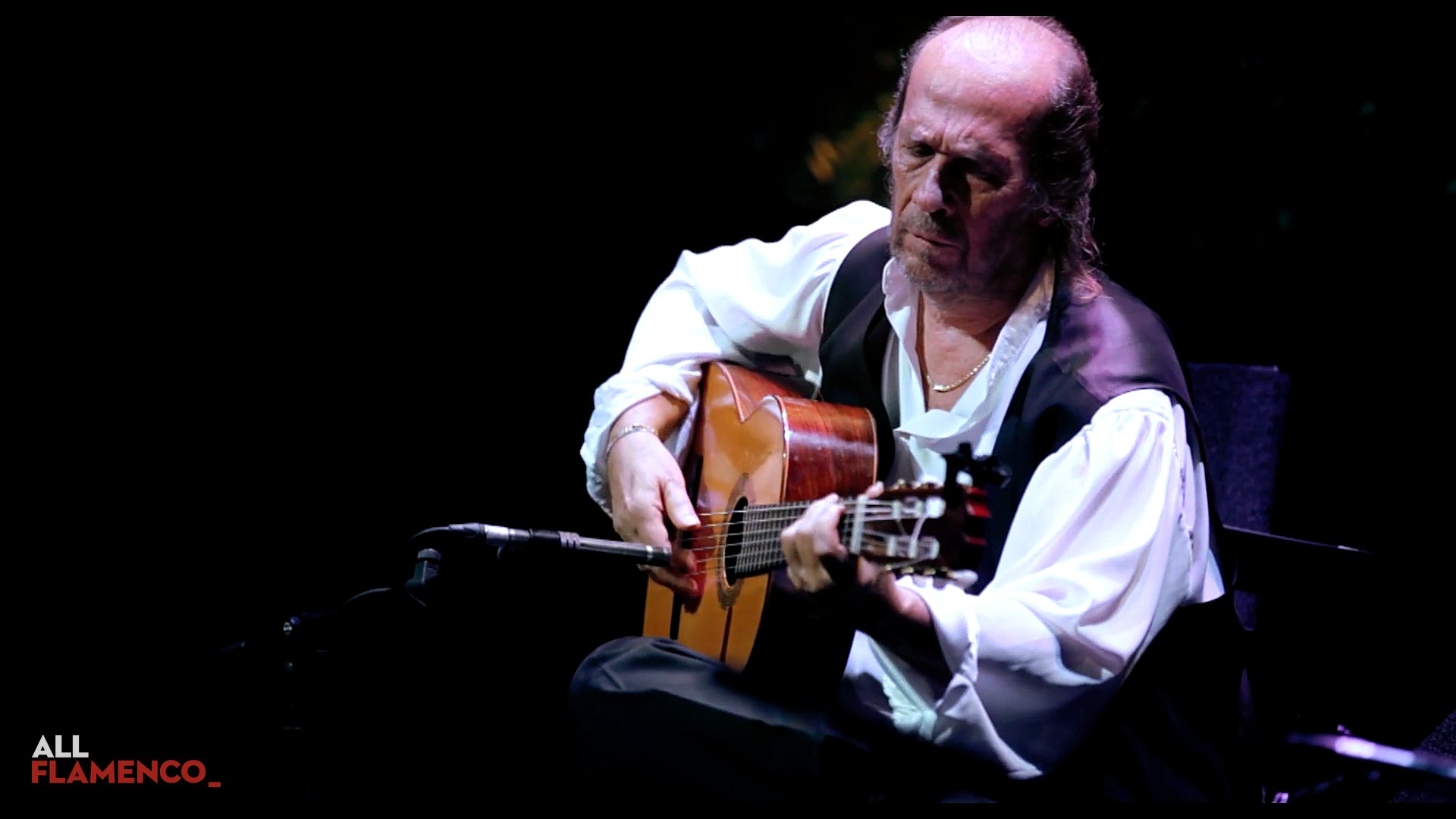
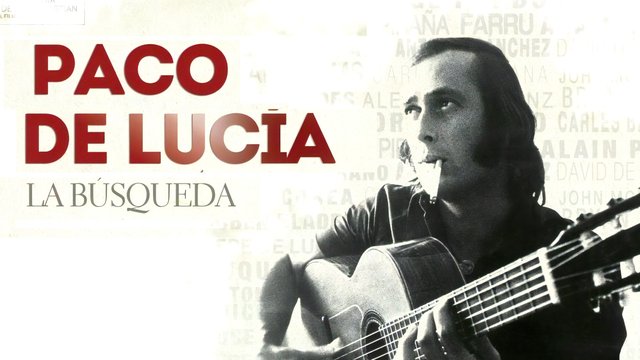
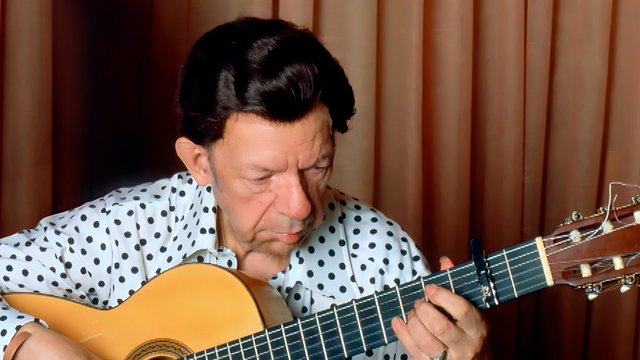
The catalogue has «Paco de Lucía. The Search», the ninety-minute documentary that follows his life through interviews filmed between 2010 and 2014, with Paco himself telling most of it. Beside it, two that explain where he came from and where he went: «The Fabulous Sabicas», about the guitarist who told him to find his own way, and «Trance», about Jorge Pardo, his sextet’s flautist. Everything of his is gathered on his artist page.
And if the world he came from interests you, the report on the «Sagas Flamencas» exhibition, by photographer Pepe Lamarca, portrays flamenco’s families: the households where the trade is inherited exactly as it was in his.