
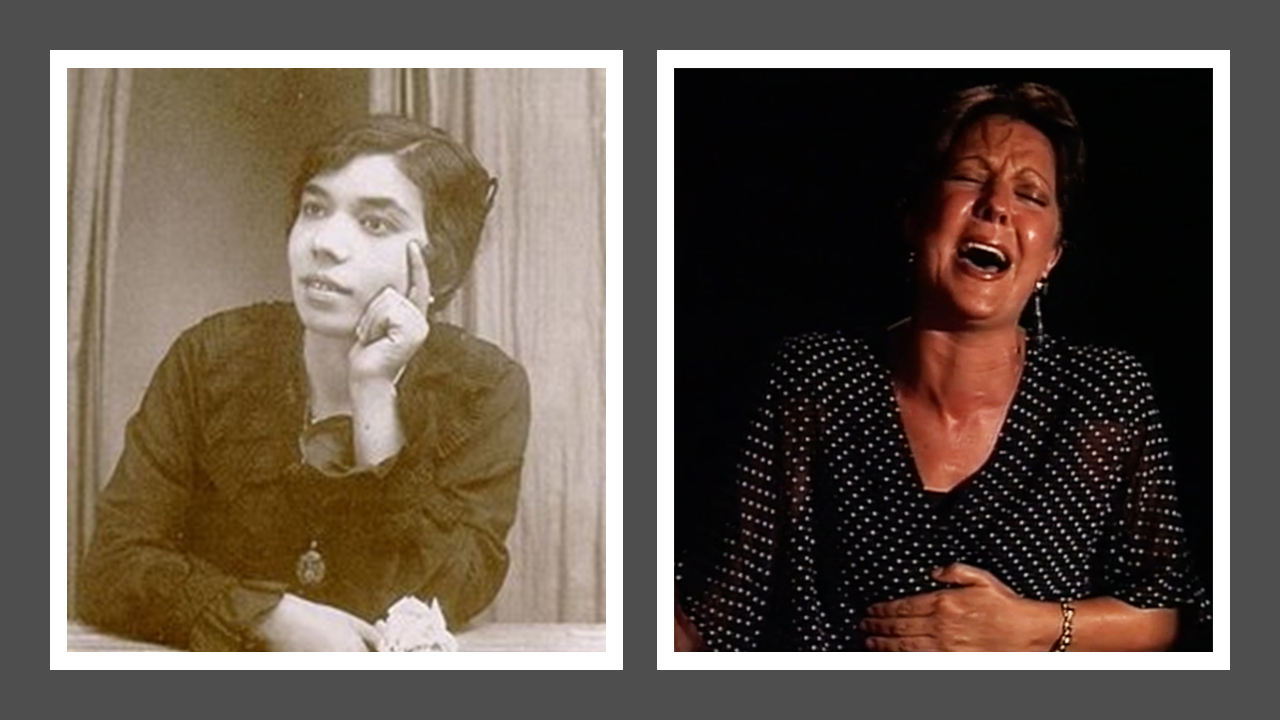
On the occasion of March 8, International Women’s Day, at ALL FLAMENCO we pay tribute to the women who have built the history of arte jondo. The history of women in flamenco is a story of talent, resilience, and transformation. Although flamenco was born in spaces where men and women shared tradition and oral transmission, its professionalization was for decades shaped by structures dominated by men.
And yet, women not only took part: they led artistic revolutions.
Women in the origins of flamenco
Speaking about women in the origins of flamenco means dismantling a mistaken idea: that flamenco was exclusively a male world. From its earliest expressions in the 18th and 19th centuries, women were present in the transmission of cante, baile, and compás within the domestic, family, and community sphere.
In the Romani and popular environments of Andalusia, flamenco was not learned in academies but through everyday coexistence: in courtyards, family gatherings, celebrations, and private parties. In these intimate spaces, women were essential transmitters of the repertoire, the style, and the expressive character of cante.
However, the leap into the public sphere was more complex.
The cafés cantantes and professionalization
At the end of the 19th century, with the emergence of the cafés cantantes, flamenco became professionalized. It was at this moment that women began to take the stage as recognized performers, although within a social context full of prejudice. Artists had to face not only artistic demands but also the moral judgment of the time. Performing in public, traveling, or dedicating themselves professionally to entertainment was not always well regarded for women.
Despite this, many did. In the cafés cantantes, cantaoras and bailaoras appeared who became true stars of the moment, demonstrating that female talent was not exceptional but structural within flamenco.
Historical invisibility and recovered memory
For a long time, flamenco historiography granted greater prominence to male figures. However, later research has helped recover names and careers that had been relegated to the background.
The memory of flamenco is full of women who sustained the art during difficult times, who transmitted styles within their families, and who kept the tradition alive when flamenco did not yet enjoy the institutional recognition it has today.
In this sense, reclaiming the role of women in the origins of flamenco is not a symbolic gesture: it is an exercise in historical rigor.
From the private sphere to the universal stage
What began in courtyards, taverns, and cafés cantantes eventually conquered international theatres. That journey cannot be understood without the contribution of women.
The pioneers who later achieved fame—such as Carmen Amaya or La Niña de los Peines—did not emerge out of nowhere: they were the result of a strong and deeply rooted female tradition.
Women in the origins of flamenco were neither an exception nor an anecdote. They were the roots, the transmission, and the foundation.
La Niña de los Peines: the authority of cante
La Niña de los Peines marked a before and after in flamenco singing.
Pastora Pavón was one of the most complete cantaoras in history. She mastered a vast repertoire of palos—soleá, seguiriyas, tangos, bulerías—and left recordings that are still an essential reference for any scholar of flamenco.
Her figure consolidated female authority in cante, demonstrating that women were not only performers but also creators of style.
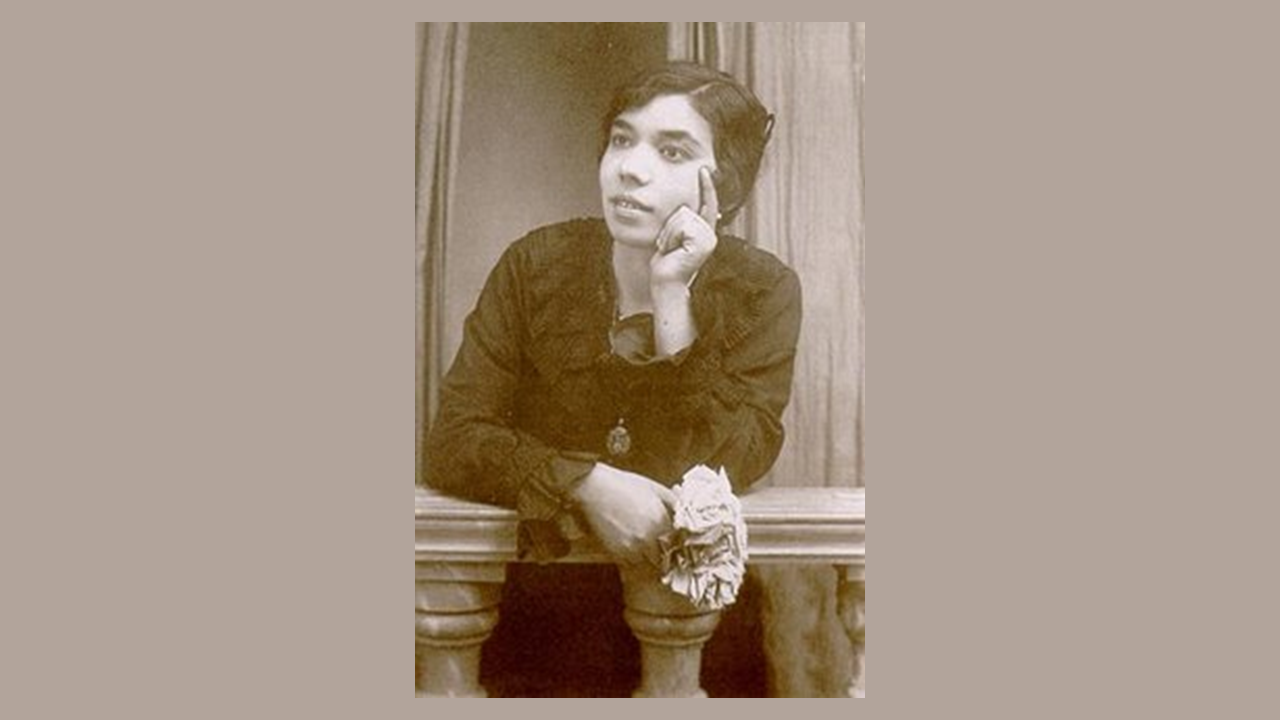
La Niña de los Peines. Pastora Pavón. (andalucia.org)
Carmen Amaya: the revolution of dance
Carmen Amaya represents one of the great turning points of the 20th century.
Romani, self-taught, and with unmatched stage power, she revolutionized female flamenco dance. At a time when powerful zapateado and intense expressiveness were associated with male dancers, Carmen Amaya broke the mold with a dizzying technique and an overwhelming stage presence.
Her talent led her to international success, even in Hollywood, where she performed before major figures of cinema and culture. She was one of the first flamenco artists to project a global image of arte jondo.
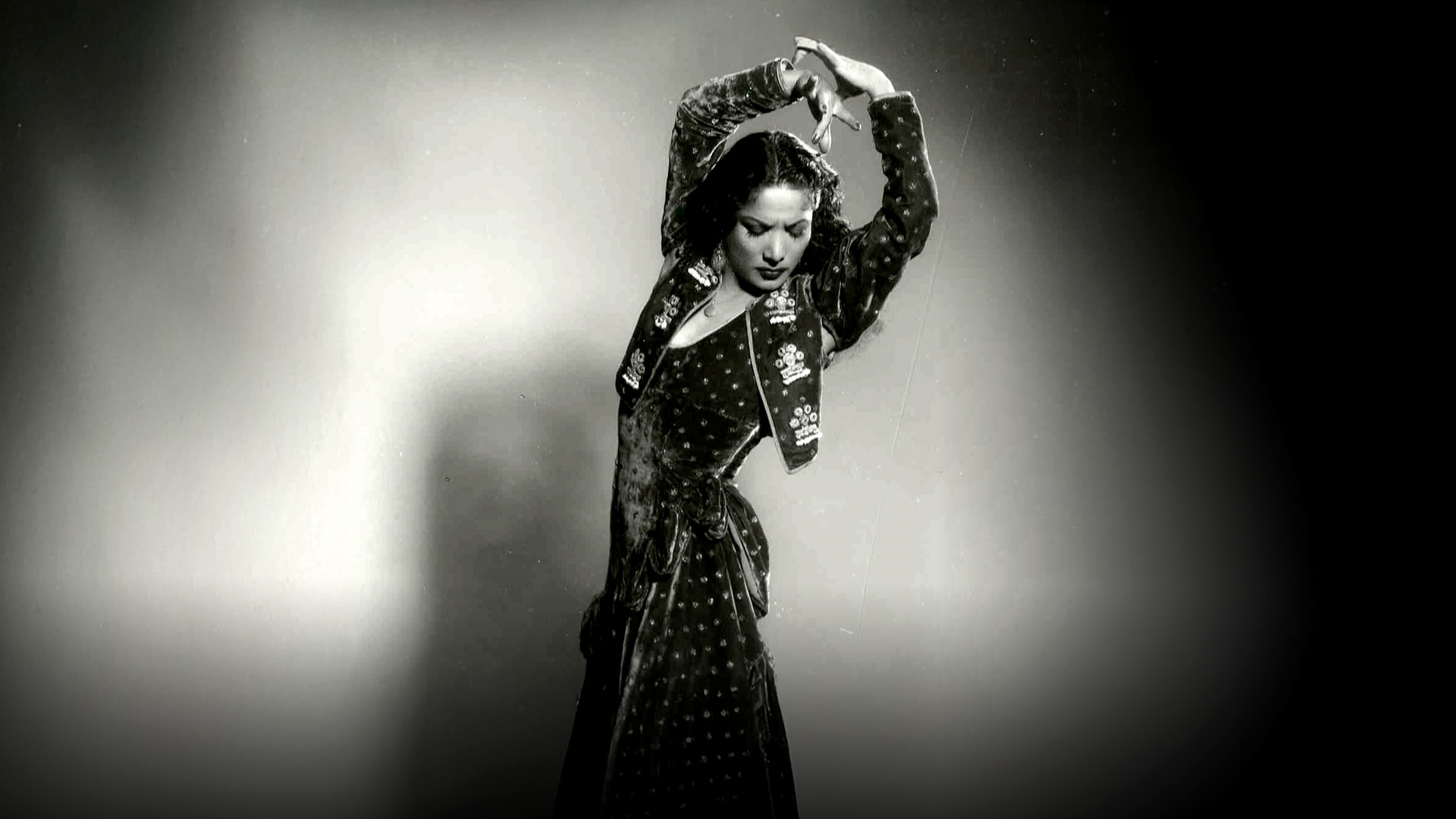
Carmen Amaya