
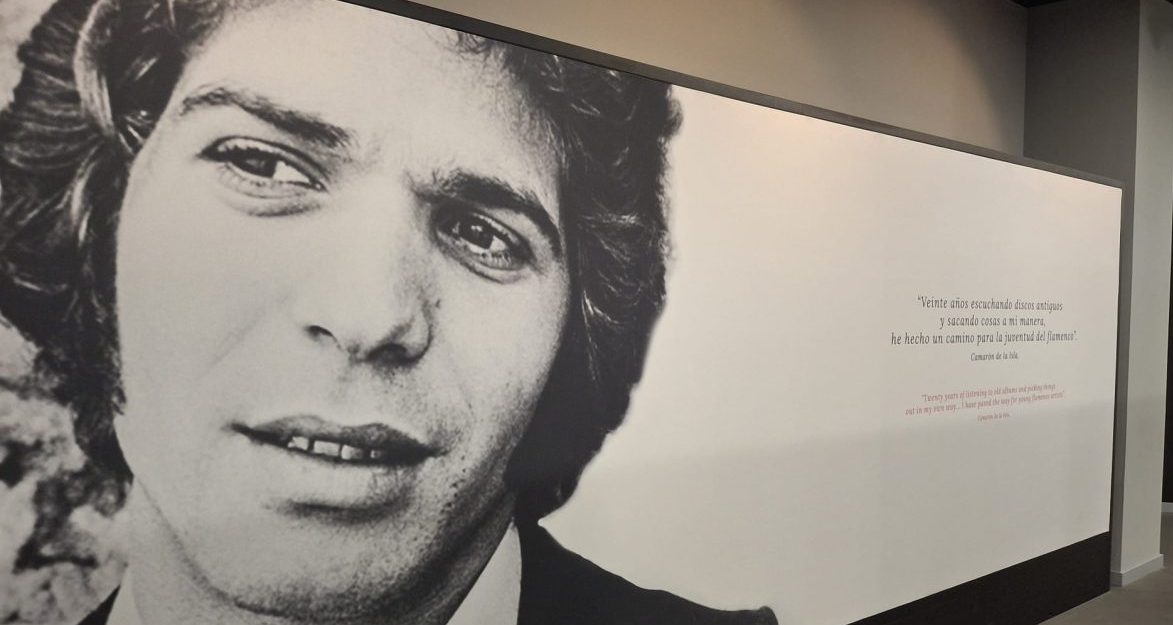
On December 5, 2025, José Monje Cruz—universally known as Camarón de la Isla—would have turned 75 years old. Born in San Fernando (Cádiz), his raw and luminous voice not only revolutionized flamenco, but also elevated it to new artistic heights. On the anniversary of the birth of the greatest cantaor, ALL FLAMENCO honors his legacy and visits his museum, where every object and note still speaks of him.
Journey to Legend: From San Fernando to the World
José Monje Cruz was born into a humble Gitano family in La Isla de San Fernando in 1950. From childhood, singing was his natural form of expression. His early performances in taverns and roadside inns already revealed a rare talent. His voice sounded both ancient and new—carrying centuries of tradition and a fire all his own.
Meeting Paco de Lucía changed everything. Together they recorded a series of albums that marked a turning point: Al verte las flores lloran, Cada vez que nos miramos, and many more. Their artistic bond forged a new language for flamenco.
The Art That Broke Boundaries
Camarón didn’t just sing flamenco—he transformed it. His masterpiece La leyenda del tiempo (1979) was both controversial and visionary. Featuring poems by Federico García Lorca, electric guitars, keyboards, and bass, the album sparked outrage among purists but welcomed new audiences and creative possibilities.
Throughout his career, he never abandoned traditional cante, proving that innovation need not reject roots. His voice—already iconic—traveled through seguiriyas, bulerías, tangos, and soleás with unmistakable duende.
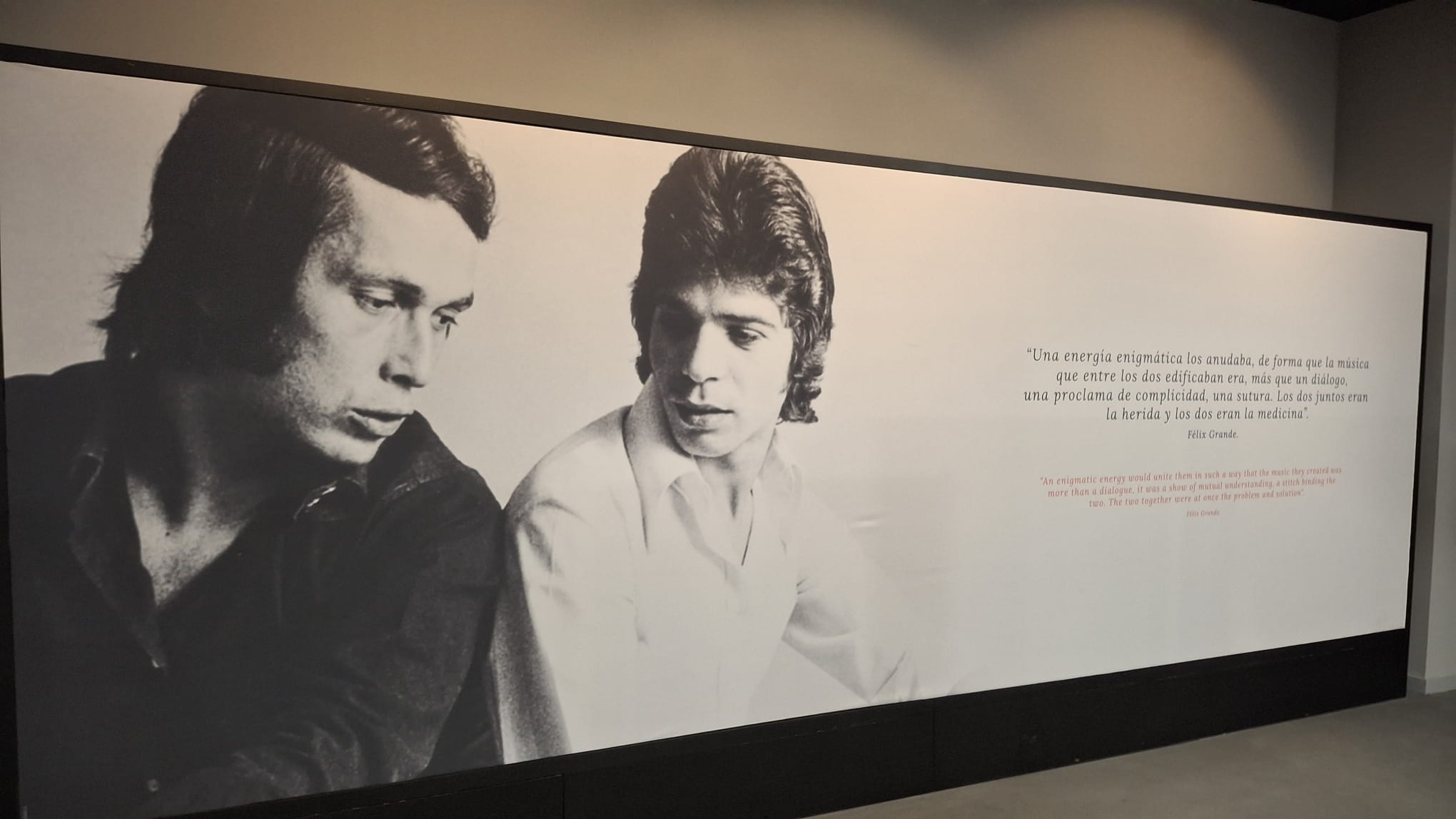
Foto Javier Fernández Museo de Camaron
Eternal Spirit: Camarón in Popular Culture
Since his death in 1992, Camarón’s legend has only grown. Transcending flamenco, his image and voice have become cultural icons worldwide.
His life inspired the film Camarón (2005), as well as documentaries and series. He is cited by artists across genres, and his grave is a place of pilgrimage. Camarón embodies creative freedom, defiance of limits, and a total passion for art.
Camarón Museum: A Temple in San Fernando
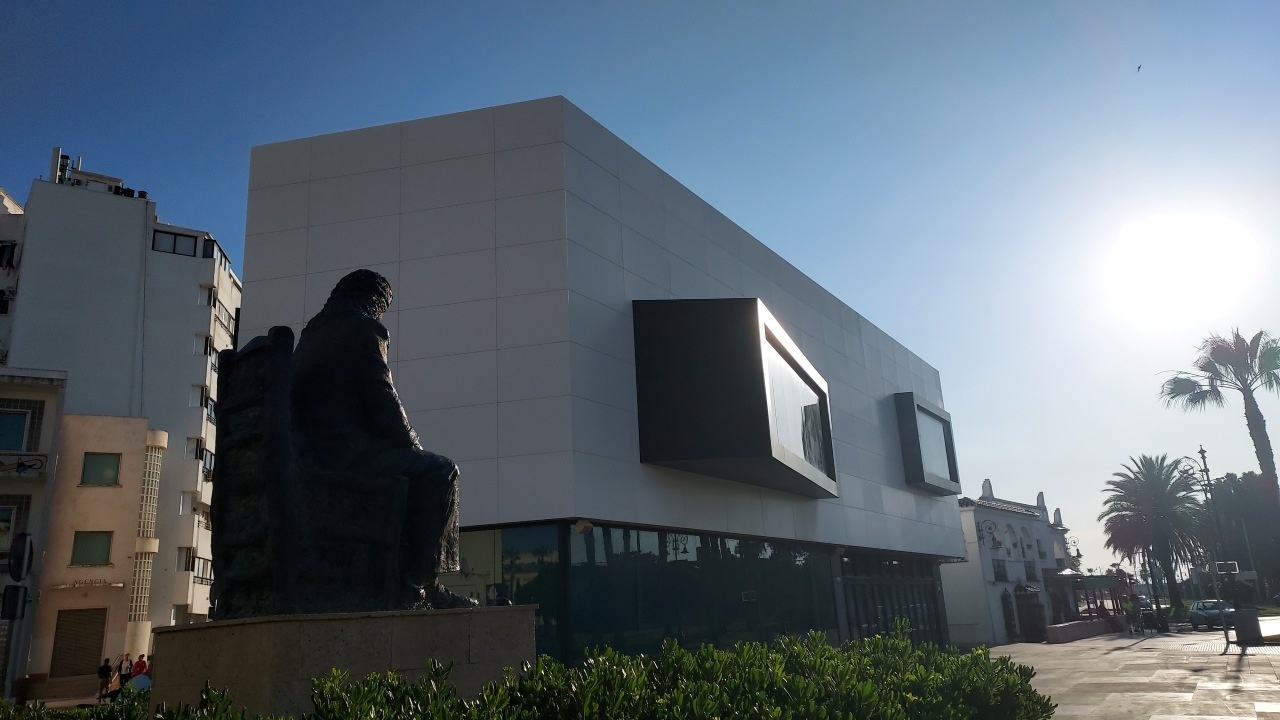
The Camarón Museum, located in his hometown of San Fernando, is now one of the most visited sites for flamenco fans. The building fuses modern design with deep jondo evocation. Inside, visitors journey through the artist’s biography, discovering personal items, recordings, costumes, and documents that reconstruct his universe.
Interactive rooms allow guests to hear audio clips and contextualize each stage of his career. Rare photographs, like those accompanying this article, show Camarón in his personal space, the artist among loved ones, and the myth who still lights up the present.
Camarón on ALL FLAMENCO: A Permanent Tribute
ALL FLAMENCO continually honors Camarón through a curated selection of documentaries, interviews, and tribute concerts. From in-depth explorations of his legacy to special broadcasts, his presence is essential in our programming.
We invite subscribers to explore shows like Camarón: el eco de una voz eterna and commemorative specials. Camarón lives on in the ALL FLAMENCO catalog as he lives on in the soul of every aficionado.
Why is Camarón de la Isla considered a flamenco legend?
Camarón is a legend because he broke flamenco boundaries without betraying its essence. He was born with extraordinary talent—a voice capable of transcending time, and a sensitivity that connected with diverse audiences. He was the first to carry flamenco into new territory while staying rooted in tradition. Alongside Paco de Lucía, he recorded some of the genre’s most iconic works. La leyenda del tiempo redefined flamenco expression, and nothing was ever the same. His early death fed the myth, but his influence keeps growing. Listening to Camarón is like listening to the entirety of flamenco in one voice.
What can you see at the Camarón Museum in San Fernando?
The Camarón Museum offers an immersive journey through the singer’s life and work. From personal belongings to historic documents, awards, rare photographs, and scenographic elements—everything is designed to help visitors feel the evolution of a legend. Interactive exhibits allow visitors to listen to his voice, watch video clips, and understand each period of his artistic career. The architecture of the museum, modern yet deeply symbolic, resonates with San Fernando’s flamenco soul. It is a space of education, emotion, and continuous homage.
Where can I watch videos or documentaries about Camarón?
While ALL FLAMENCO does not feature official recordings of Camarón, the channel offers a rich selection of audiovisual tributes performed by major contemporary flamenco artists. We highly recommend the following:
- Concierto A Camarón by Duquende
- A Camarón featuring El Capullo de Jerez
- Noche Flamenca del Parque
- Noche Homenaje a Camarón de la Isla with Pedro El Granaíno and Antonio Lizana
- Así fue el Homenaje a José en la Isla
These tributes let us relive the echo of Camarón through the voices and emotions of those who deeply admire him. All are available on demand at ALL FLAMENCO.
Which current artists are influenced by Camarón?
An entire generation of flamenco artists acknowledges Camarón as a major influence. Singers such as Arcángel, Miguel Poveda, Pedro el Granaíno, Antonio Reyes, and Israel Fernández all follow his path. His influence also extends to dance and guitar, with artists like Farruquito, Sara Baras, and Vicente Amigo citing him as inspiration. Camarón didn’t just leave behind a body of work—he left behind a way of feeling art. His legacy lives on in every young artist who dares to sing bulerías with a new vision.