
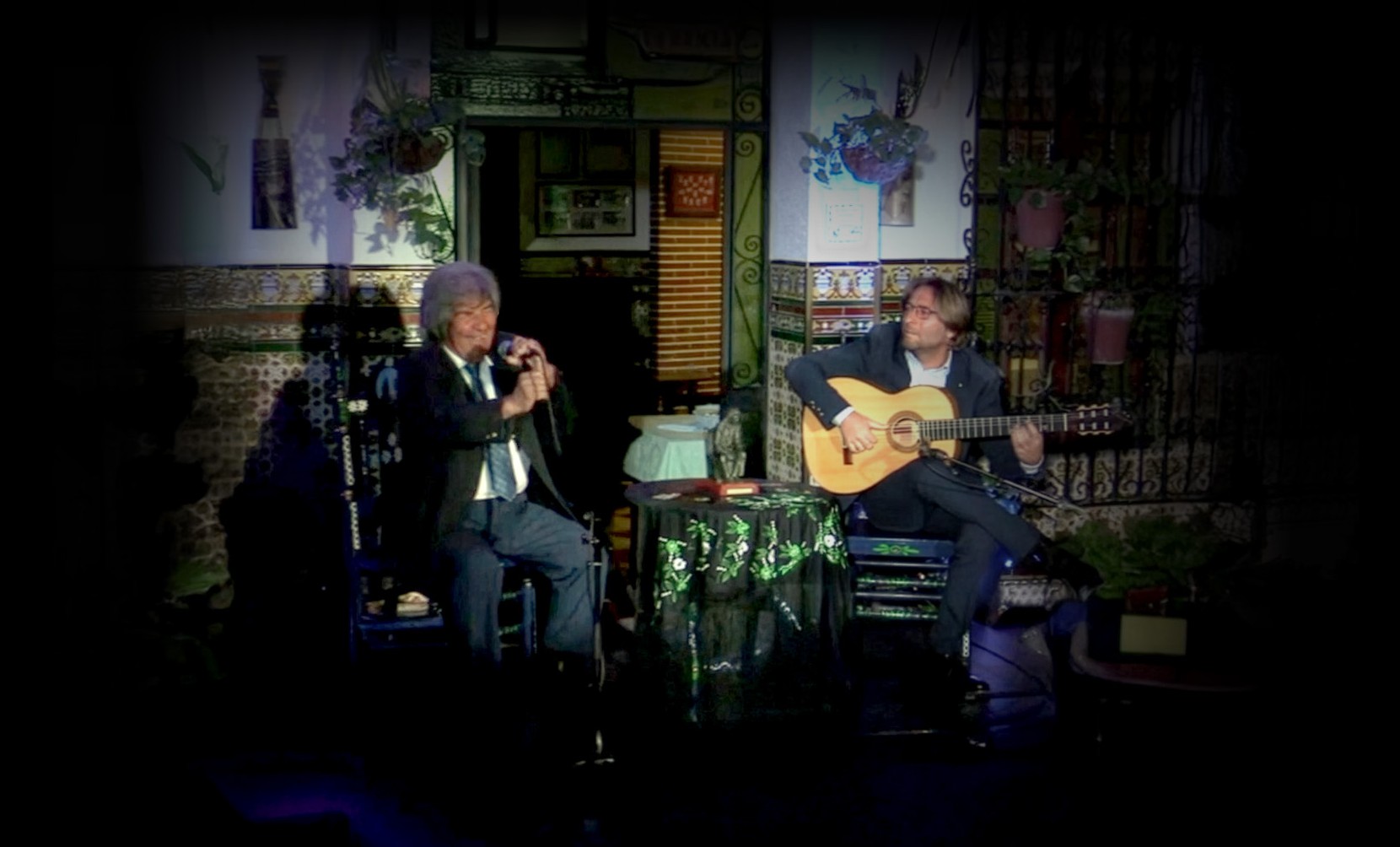
The Heart of Flamenco: Understanding Its Styles
Talking about “flamenco palos” (styles) means talking about the very soul of flamenco. Each palo has its own character, history, structure, and emotional depth. Learning to recognize them is like unlocking the door to the jondo world and connecting with its rich traditions. In this article, we’ll walk you through the main flamenco styles, explaining how to identify them, what makes them unique, and how they sound — with real-life examples from performances available on ALL FLAMENCO.
What Is a Flamenco Palo?
In flamenco, a “palo” is a musical form with specific features: rhythm (compás), tonality, themes, and emotional tone. Some are solemn and deep (like the soleá), others festive (like bulerías), and some come from Latin American influences (like the guajira).
1. Soleá: The Mother of All Styles
Key Features:
- 12-beat rhythm
- Solemn and introspective
- Philosophical or existential lyrics
How to Recognize It:
Usually sung and danced at a medium tempo, the guitar highlights accents on beats 3, 6, 8, 10, and 12, creating tension.
Example:
🎥 [Fragmento de soleá en All Flamenco]
2. Bulería: The Ultimate Festive Style
Key Features:
- Fast 12-beat rhythm
- Joyful, improvised, expressive
- Often closes a show
How to Recognize It:
This is the fastest and most vibrant palo. Bulerías are not performed — they are unleashed. A burst of rhythm and energy.
Example:
🎥Bulerías
3. Alegrías: The Brightness of Cádiz
Key Features:
- 12-beat rhythm
- Optimistic lyrics
- Often includes “tiriti tran tran”
How to Recognize It:
More lyrical and structured than bulerías, with a bright melody and the unmistakable flavor of Cádiz.
Example:
🎥Alegrías de Camarón
4. Guajira: The Latin Touch
Key Features:
- Cuban influence
- Binary rhythm (6/8 + 3/4)
- Lyrics evoke nostalgia and landscapes
How to Recognize It:
One of the cantes de ida y vuelta (round-trip songs). Often includes a fan and elegant movements.
🎥 Flamenconautas. Guajira
5. Fandango: Freedom and Expression
Key Features:
- Free-form intro, followed by rhythm
- Very expressive vocally
- Shifts in rhythmic structure
How to Recognize It:
Begins with expressive, unmeasured singing and then moves into rhythm with footwork and accompaniment.
Example:
🎥 Cámaron Fandangos con Tomatito
6. Seguiriya: The Cry of the Soul
Key Features:
- 12-beat rhythm (unique structure)
- Pure cante jondo
- Themes of pain, death, tragic love
How to Recognize It:
Its atmosphere is raw and dramatic. The singing begins with laments and long silences — one of the most technically complex palos.
🎥 Chocolate por Seguiriyas
FAQ: Frequently Asked Questions About Flamenco Palos
Which flamenco style is the easiest to recognize?
Usually, bulerías are the easiest to spot due to their fast pace, clapping patterns, and festive atmosphere. If you hear an upbeat 12-count rhythm with shifting accents and a lively vibe, you’re likely listening to a bulería. It’s often used to close performances, making it more recognizable.
How can I tell the difference between soleá and seguiriya?
Both have deep emotional tones and a 12-beat structure, but the soleá is more balanced and solemn. Seguiriya, on the other hand, is slower, heavier, and filled with emotional tension. Listen for dramatic silences and painful vocal expressions in seguiriyas.
Do flamenco styles have geographic origins?
Yes. Many are linked to specific cities or regions: alegrías to Cádiz, soleá to Seville, fandangos to Huelva or Málaga. Some palos, like guajira, stem from cultural exchange with Latin America. Knowing the geography helps understand their context and sound.
Where can I watch these styles performed by top artists?
On ALL FLAMENCO, the specialized flamenco streaming channel, you can watch thousands of full shows in 4K quality — featuring artists like Carmen Linares, Fuensanta La Moneta, Jesús Méndez, Emilio Ochando, Concha Jareño, and many more. Available worldwide at allflamenco.net, and also on YouTube.
Follow us for more educational, emotional, and visual content on ALL FLAMENCO’s blog and social media!