
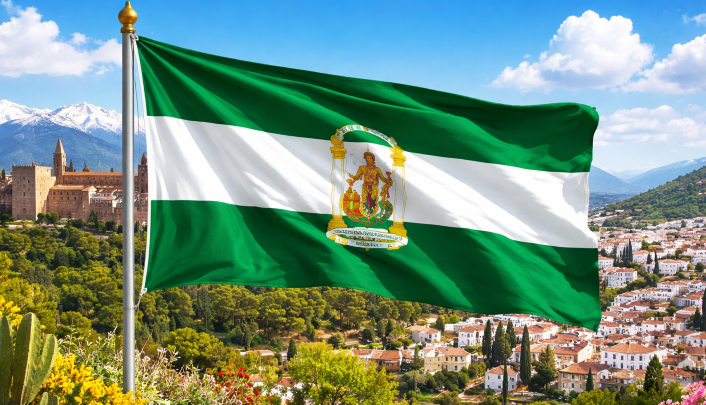
Every February 28, Andalusia celebrates its history, identity and cultural legacy. And if there is one artistic expression that represents this identity both within Spain and around the world, it is flamenco. In 2026, Andalusia Day once again places flamenco at the center of attention — not only as an art form, but as a living symbol of the region’s cultural soul.
Flamenco is far more than music or dance. It is memory, oral tradition, community, territory and shared emotion. To celebrate Andalusia Day is, in many ways, to celebrate flamenco itself.
Flamenco as a Symbol of Andalusian Identity
Since its development in the 18th and 19th centuries, flamenco has reflected the cultural diversity of Andalusia. Influences from Roma communities, Andalusian traditions, Castilian culture and even Latin American rhythms have shaped a unique artistic language.
Styles such as the soleá, the seguiriya, and the alegrías were born in specific cities — Seville, Cádiz, Jerez — yet over time they transcended geography to become universal symbols of Andalusian art.
Andalusia Day provides a meaningful opportunity to highlight this richness, presenting flamenco not as a stereotype, but as a dynamic and evolving cultural heritage.
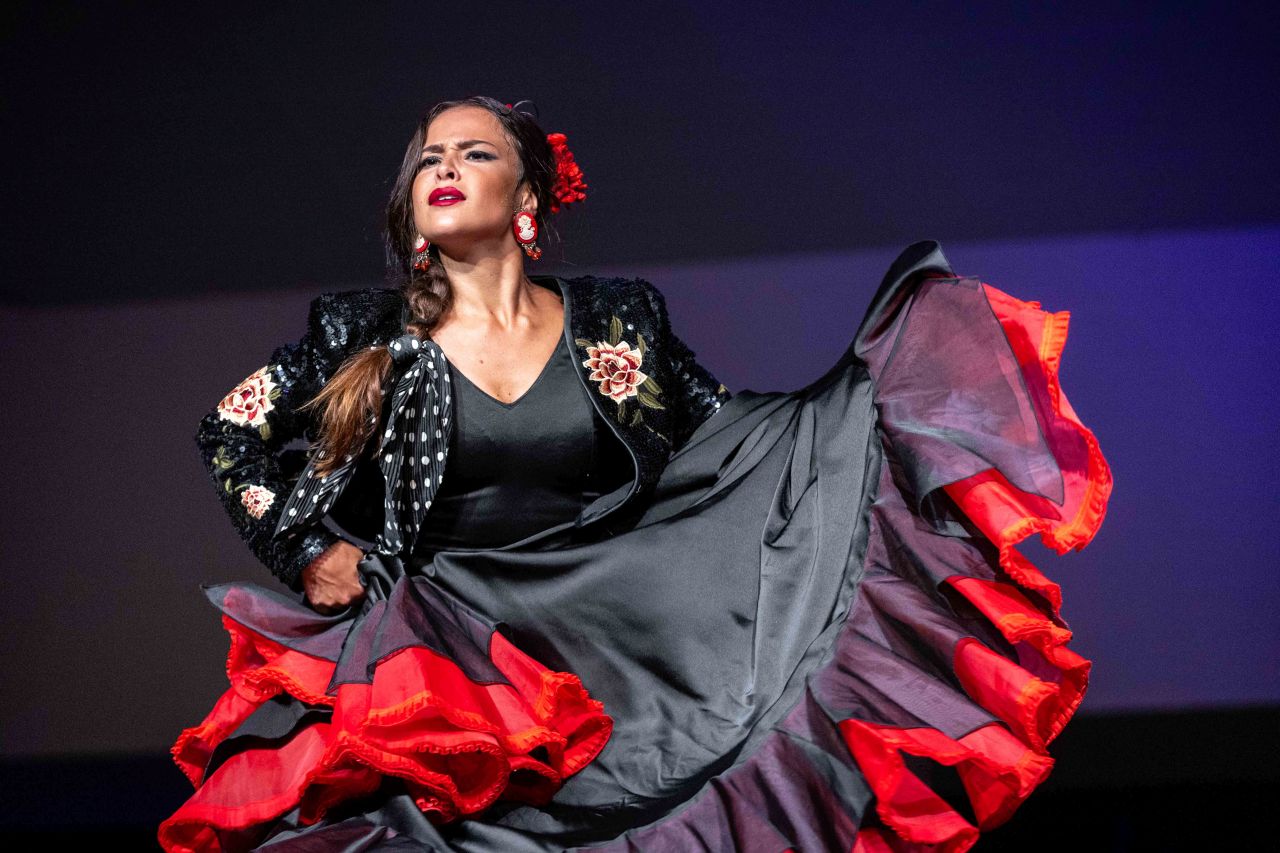
2026: Flamenco at the Heart of Cultural Celebrations
In 2026, theaters, cultural centers, peñas (flamenco clubs), and public institutions across Andalusia include flamenco performances in their official Andalusia Day programs. From traditional singing recitals to contemporary stage productions, flamenco plays a central role in the celebrations.
Many towns and cities organize:
-
Flamenco galas featuring local artists
-
Dance school performances
-
Awards honoring distinguished flamenco figures
-
Educational workshops introducing younger generations to the art form
These initiatives not only commemorate February 28 but also strengthen Andalusia’s cultural fabric.
From Andalusia to the World
Andalusia Day is not celebrated only within Spain. Thanks to flamenco’s global reach, academies, festivals and cultural institutions in countries such as Japan, the United States, France and Germany also organize events connected to Andalusian culture.
Flamenco acts as a cultural ambassador for Andalusia, reinforcing its international presence and demonstrating how tradition and modern creativity can coexist.
A Recognized Cultural Heritage
Flamenco was declared Intangible Cultural Heritage of Humanity by UNESCO in 2010. This recognition confirmed its universal value and encouraged continued efforts to preserve, promote and study the art form.
In 2026, that recognition remains more relevant than ever. Flamenco continues to grow, adapt and captivate audiences worldwide while remaining deeply rooted in Andalusian soil.
New Generations, Timeless Essence
One of the most remarkable aspects of flamenco today is the strength of its new generations. Young guitarists, singers and dancers reinterpret traditional codes with contemporary sensitivity, expanding the expressive possibilities of the genre.
Andalusia Day is also an occasion to spotlight this generational renewal, proving that flamenco is not a museum piece, but a living art form in constant dialogue with the present.
Flamenco in 2026: Tradition and Future
To speak of Andalusia Day and flamenco is to speak of:
-
Cultural identity
-
Diversity
-
Intergenerational transmission
-
Artistic innovation
-
International projection
In 2026, flamenco remains the cultural heartbeat of Andalusia. Every compás (rhythmic cycle), every vocal cry, and every zapateado (footwork sequence) reminds us that this art form is an essential part of Andalusian DNA.
Celebrating February 28 ultimately means celebrating a heritage that belongs to everyone — one that continues to write new chapters on stages around the world.
Frequently Asked Questions About Andalusia Day and Flamenco
❓ Why is flamenco important on Andalusia Day?
Because flamenco represents one of the most powerful cultural symbols of Andalusia and reflects the region’s history and identity.
❓ What types of flamenco events take place on February 28?
Singing recitals, dance performances, institutional galas, educational workshops, and tributes to distinguished artists.
❓ Is flamenco exclusive to Andalusia?
Although flamenco was born and developed in Andalusia, it is now a global art form practiced and appreciated worldwide.