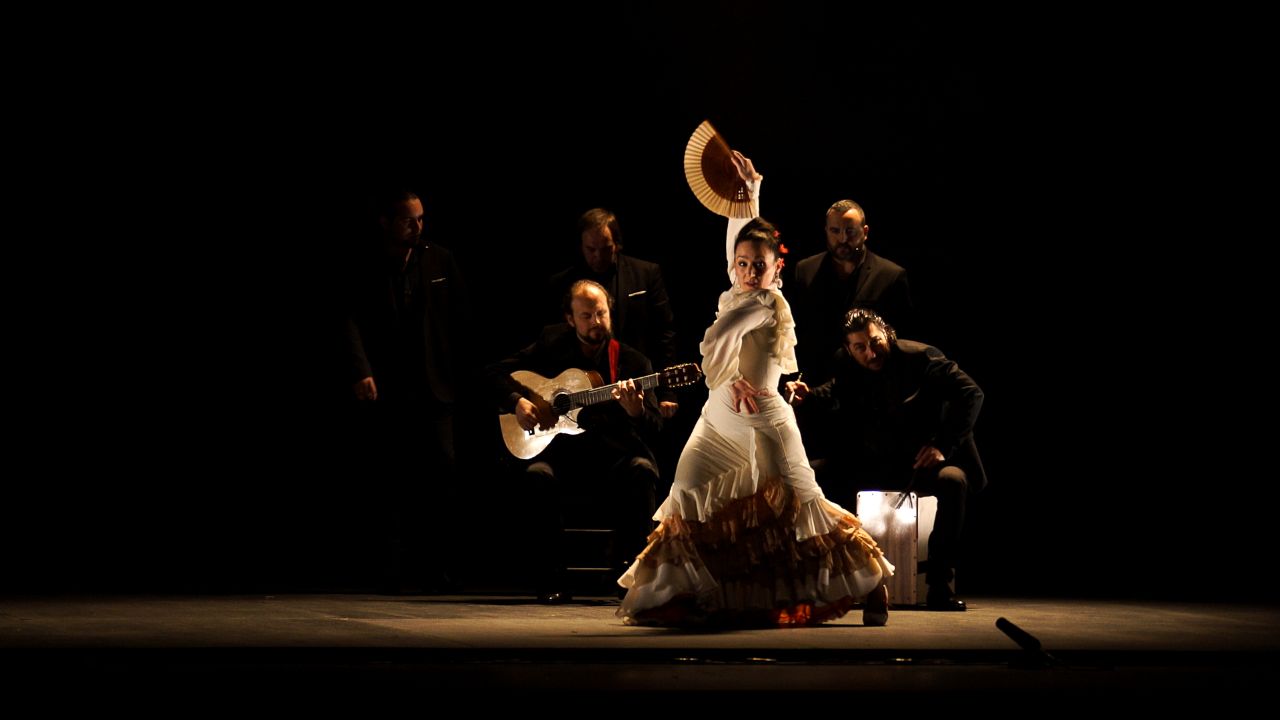
One family of flamenco songs is named after a journey. Not after a region, not after a family, not after a rhythmic cycle: after a round trip across the Atlantic. Guajira, milonga, vidalita, colombiana, rumba and habanera are called cantes de ida y vuelta — outbound-and-return songs — because they left Spain, changed in the Americas and came back sounding different.
This article answers the four things people actually want to know about them — what they are, which ones they are, where they came from and who sings them — and ends with the part nobody shows you: an entire concert built on that journey, filmed complete, that you can watch from beginning to end.
The name is not a metaphor. It describes a trip that happened
Cantes de ida y vuelta are the styles that entered the flamenco repertoire through the influence of Latin American music — Cuban, Argentine, Colombian, Mexican — on what Andalusian emigrants had packed and taken with them.
The sequence is the whole point, and it is what separates this family from fusion in general. First came the outbound leg: verses, tunes and ways of singing that left Andalusia in the luggage of people who emigrated. Then came a long stay, decades of it, in which all that mixed with criollo music, with Afro-Caribbean song, with tango. And then came the return: those who sailed home carried a repertoire that was no longer the one they had taken, and flamenco absorbed it, fitting it to its own rhythm, its own guitar and its own way of saying things.
That is why they do not sound like the rest. Against the tragedy of the seguiriya or the soleá, here the melody is sweet and open, the pulse loosens — sometimes leaving strict compás altogether — and the lyrics lean towards landscape and memory rather than towards the wound. They are sung lightly. Which does not make them easy: the difficulty simply moves from raw force to pitch and melodic line, and those forgive less.
Six on the short list, and the long list is still open
The six that appear in every account are the guajira, the milonga, the vidalita, the colombiana, the rumba and the habanera.
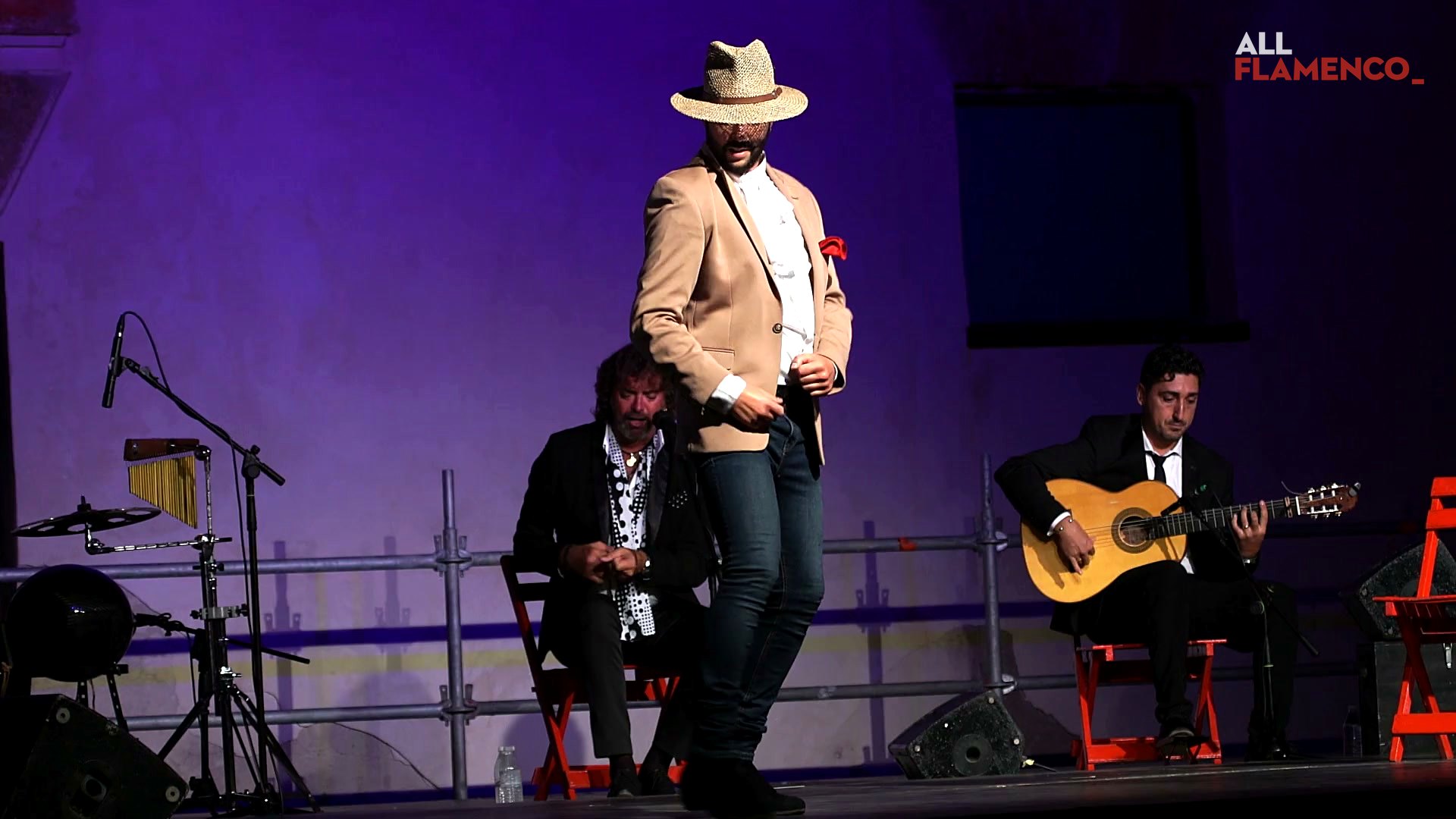
- The guajira is the most recognisable, with its twelve-beat cycle and its picture-postcard Caribbean lyrics.
- The milonga comes out of Argentine folk music and is sung in free rhythm, with a melancholy edge.
- The vidalita, heard less often, is slow and wistful, also Argentine in root.
- The colombiana is the odd one: it is a Spanish invention — usually credited to Pepe Marchena — that imitates American music rather than descending from it, and it is counted in the family anyway.
- The rumba, Afro-Cuban in origin, is not always included; the kinship is nonetheless obvious.
- The habanera, out of nineteenth-century Cuban salon music, is rarely performed today, though its echo keeps surfacing.
But the edge of this family moves, and it moves on stage before it moves in books. Our own catalogue holds four numbers filed as cante de ida y vuelta whose listed style is none of the six: it is Peruvian waltz. That is not loose tagging. It is what happens when a cantaora takes a criollo song and sings it in a flamenco voice — precisely the movement that gives the genre its name. We will come back to those four at the end, because you can listen to them.
They sailed from a port, and that explains the map
Through the nineteenth and twentieth centuries thousands of Andalusians emigrated to the Americas. Many boarded at Cádiz or Seville bound for Havana, Veracruz, Buenos Aires or Montevideo. It was not only ordinary passengers: singers, guitarists and dancers crossed too, and several of them came back.
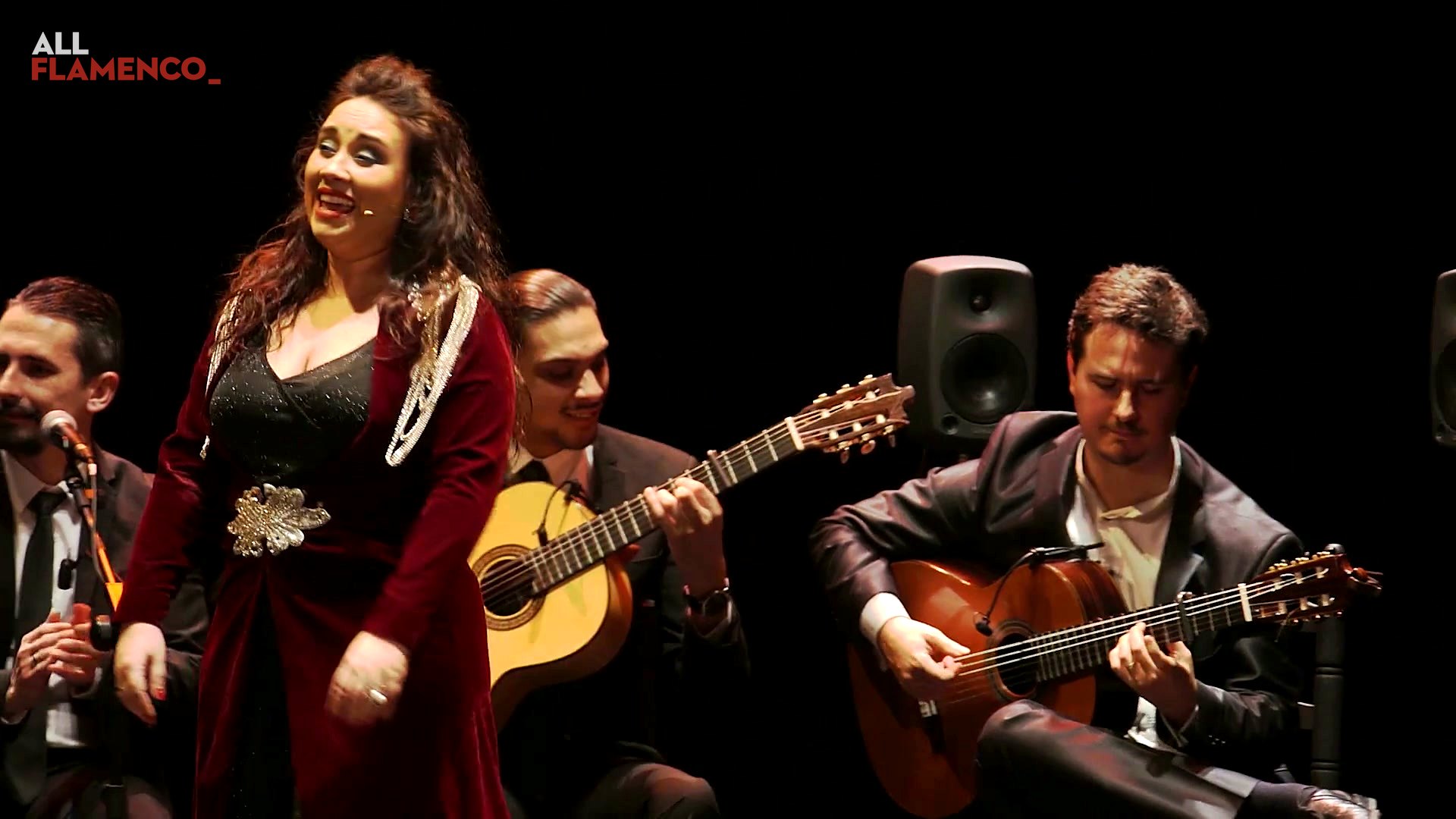
One consequence orders everything else. The part of Spain where these songs took root first and hardest is the stretch of ports that faced America, with Cádiz and its bay at the centre. The same city that produced the cantiñas and the alegrías — flamenco’s other bright repertoire, and the other great Cádiz songbook — is the one that took delivery of the return cargo. That half of the story is told separately in Cantiñas and Alegrías: history, rhythm and the soul of Cádiz in flamenco.
So it is no accident that the show this article ends with is called «Las Puertas de Gades» — The Gates of Gades. Gades is the ancient name of Cádiz, and gates are what you leave through and come back through.
From Chacón to now: who has sung them
From the late nineteenth century, figures such as Antonio Chacón and La Niña de los Peines took these songs into their repertoire while they were still an overseas novelty. Later, Pepe Marchena, Manuel Vallejo and Antonio Mairena established them as a serious category rather than a curiosity.
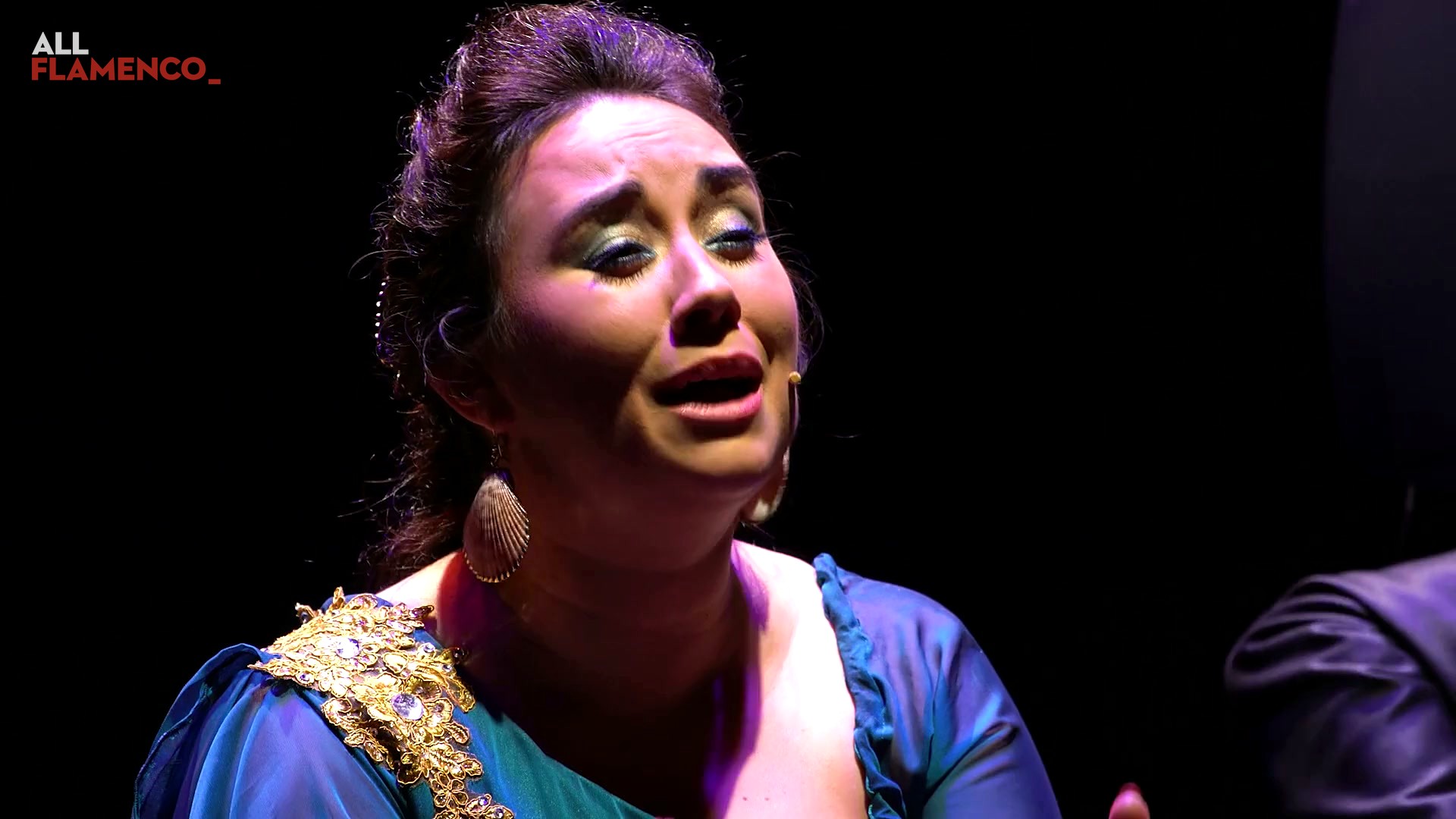
In this century they have been picked up again, each with a reading of their own, by Carmen Linares, Arcángel, Marina Heredia, Esperanza Fernández, Rocío Márquez and Encarna Anillo, among others; and they turn up inside the long recitals of Duquende, Jesús Méndez and La Macanita.
That list is easy to write and hard to check without leaving the page. Which is why the next section is not another list. It is what you can watch.
A whole concert of ida y vuelta, filmed end to end
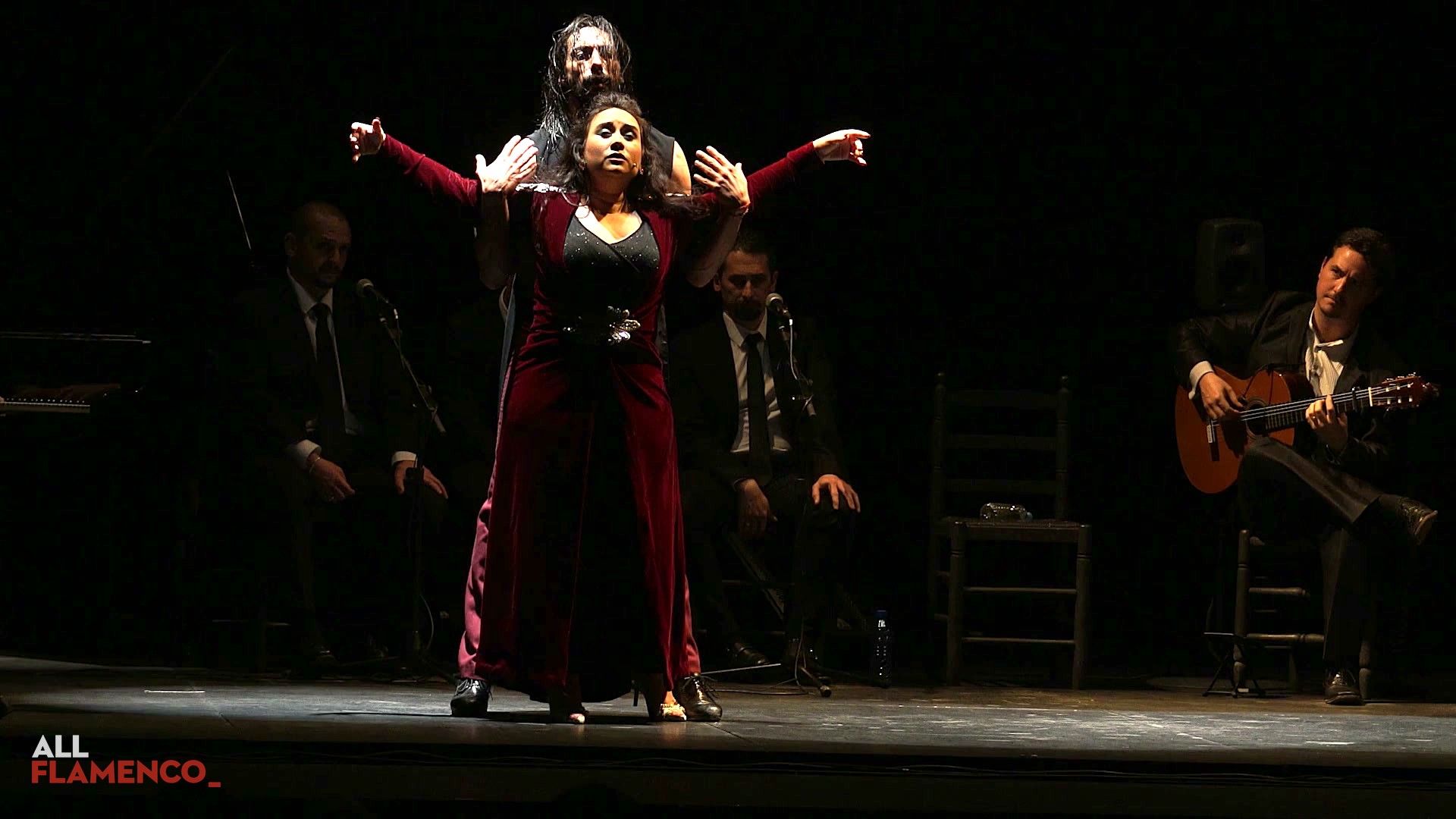
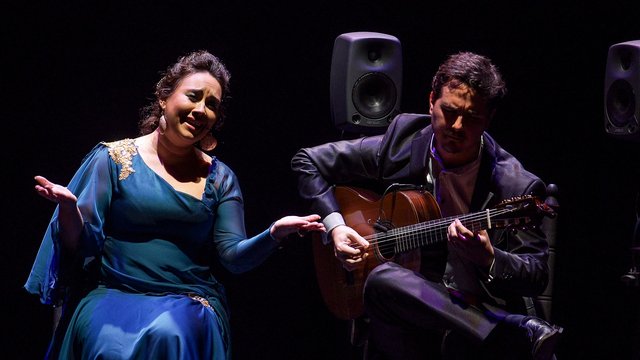
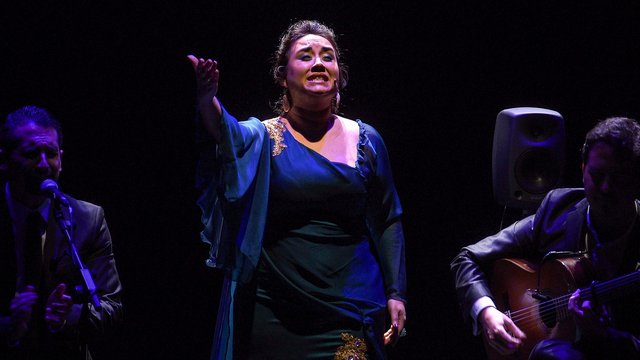
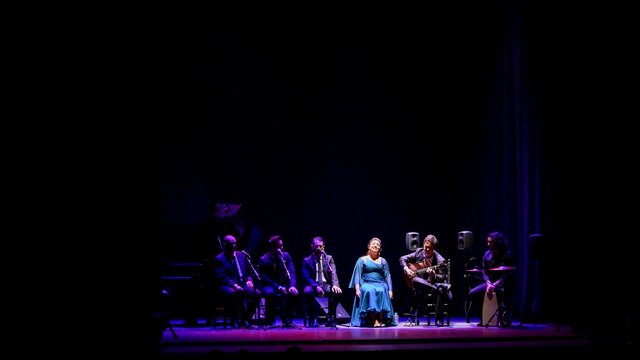
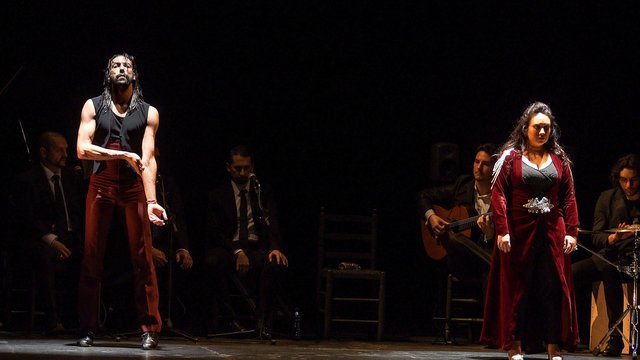
In 2018, at the 22nd Festival de Jerez, the Cádiz cantaora Encarna Anillo premiered «Las Puertas de Gades» (53 min). The catalogue holds it whole, uncut, and it works as a guided tour of everything above. She is joined by Andrés Hernández «Pituquete» on guitar, Melchor Borja on piano and second guitar, Antonio Moreno on percussion, and David Gavira, Jorge Bautista and Pedro de la Chana on palmas; the guest dancers are Eduardo Guerrero and Florencia O’Ryan.
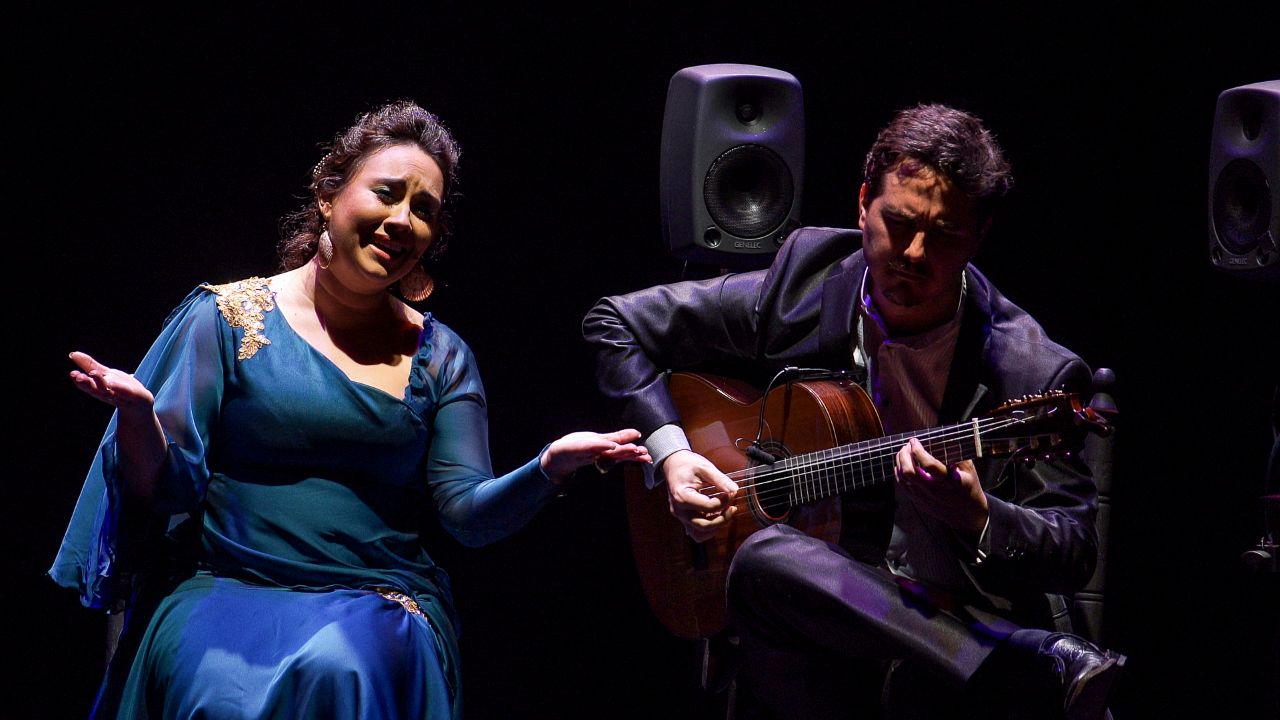
The concert opens at home, with alegrías written and composed by Pituquete for Cádiz (6 min). And the moment it leaves Cádiz it heads for America: a whole number is given over to Atahualpa Yupanqui (7 min), Pituquete on guitar, built on two songs by the Argentine — «A qué le llaman distancia» and «El árbol que tú olvidaste» — in Peruvian waltz.
Then comes the number that explains the journey without naming it. «Poema 15» (12 min) is the Pablo Neruda poem, but not at first hand: what is sung is Víctor Jara’s setting of it, reharmonised here for piano and guitar, with Eduardo Guerrero dancing a choreography in which dancer and singer end up as one body. A Chilean poem, a Chilean songwriter’s music, and on top of that an Argentine dancer — Florencia O’Ryan, barefoot and with a mantón, in «Amankai» (5 min), by taranta. There is a stop in Seville too: the tangos (6 min) are a tribute to Juana del Revuelo.
And the finale closes the circle in a way that is worth the whole article. «Cádiz, corazón de mar» (9 min) is a double number: a Cádiz tanguillo that Pituquete composed over a Peruvian waltz, followed by alegrías de Cádiz. The outbound and the return leg folded into a single piece, and back to the port of departure.
Outside the concert there are three loose numbers from the same year, with Andrés Hernández on guitar, which are the studio version of that repertoire: «Nuestro secreto» (2 min, Peruvian waltz), «El árbol que tú olvidaste» (3 min, by Yupanqui) and «A qué le llaman distancia» (3 min). Two years later, in 2020, the singer explains the show from the other side of the Atlantic in «Vivamos el Flamenco» (59 min), recorded at the Teatro San Javier in Chile and hosted by Pedro Alberto Sierra Espinosa. Her complete work sits on her artist page.
That leaves the guajira, the best known of all these songs and the one missing from that concert. It is elsewhere in the catalogue: in an episode of Pasión Flamenca, David Nieto and Macarena Ramírez dance it, by guajira and by caña (31 min), with Miguel Ramos on guitar.
All of this, and a good deal more than fits in one article, is in the ALL FLAMENCO catalogue.