
If you feel like a “sofa journey” through flamenco— from politically engaged singing and unforgettable voices to the guitar that helped take flamenco worldwide, from the tablao seen from the inside to stories where flamenco meets other arts—this curated selection is perfect for your month. On ALL FLAMENCO you can enjoy a wide catalogue of films, documentaries, and special features to watch whenever you want, including audiovisual gems that help you understand flamenco from the inside out.
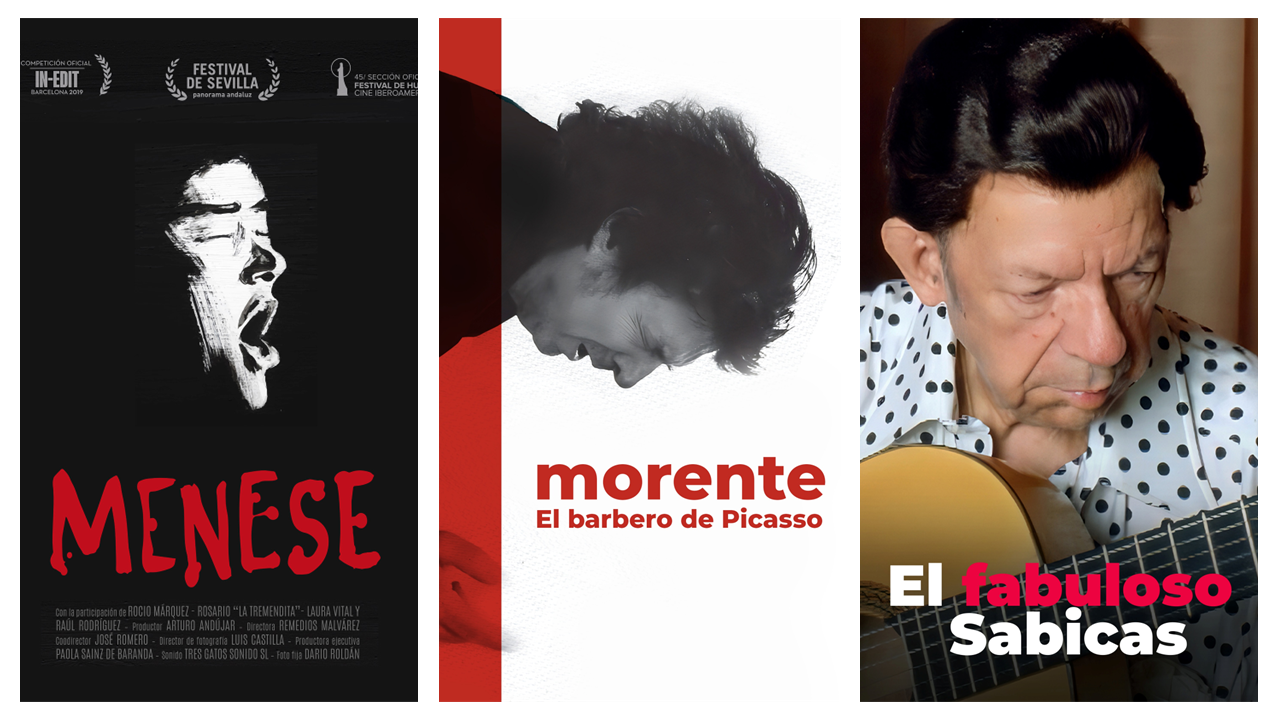
1) MENESE — Free Singing Spirit and a Legacy That Keeps Evolving
Why watch it this month: because it captures one of flamenco’s essential values: truth. MENESE portrays José Menese as a free, indomitable artist—deeply committed to the political and social climate of his time—and connects his legacy with younger voices, especially women, who recover and reinterpret his repertoire today.
What you’ll find
-
A human, unfiltered portrait: Menese appears not as a monument but as a living force with a clear artistic identity.
-
A bridge between generations: flamenco is inherited… and also debated, reshaped, and made present.
-
A contemporary reading of tradition: flamenco is not a museum—it’s a living conversation.
Ideal for
-
Viewers who love deep-rooted cante and the cultural dimension of flamenco.
-
Anyone who prefers a film that invites listening, reflection, and context.
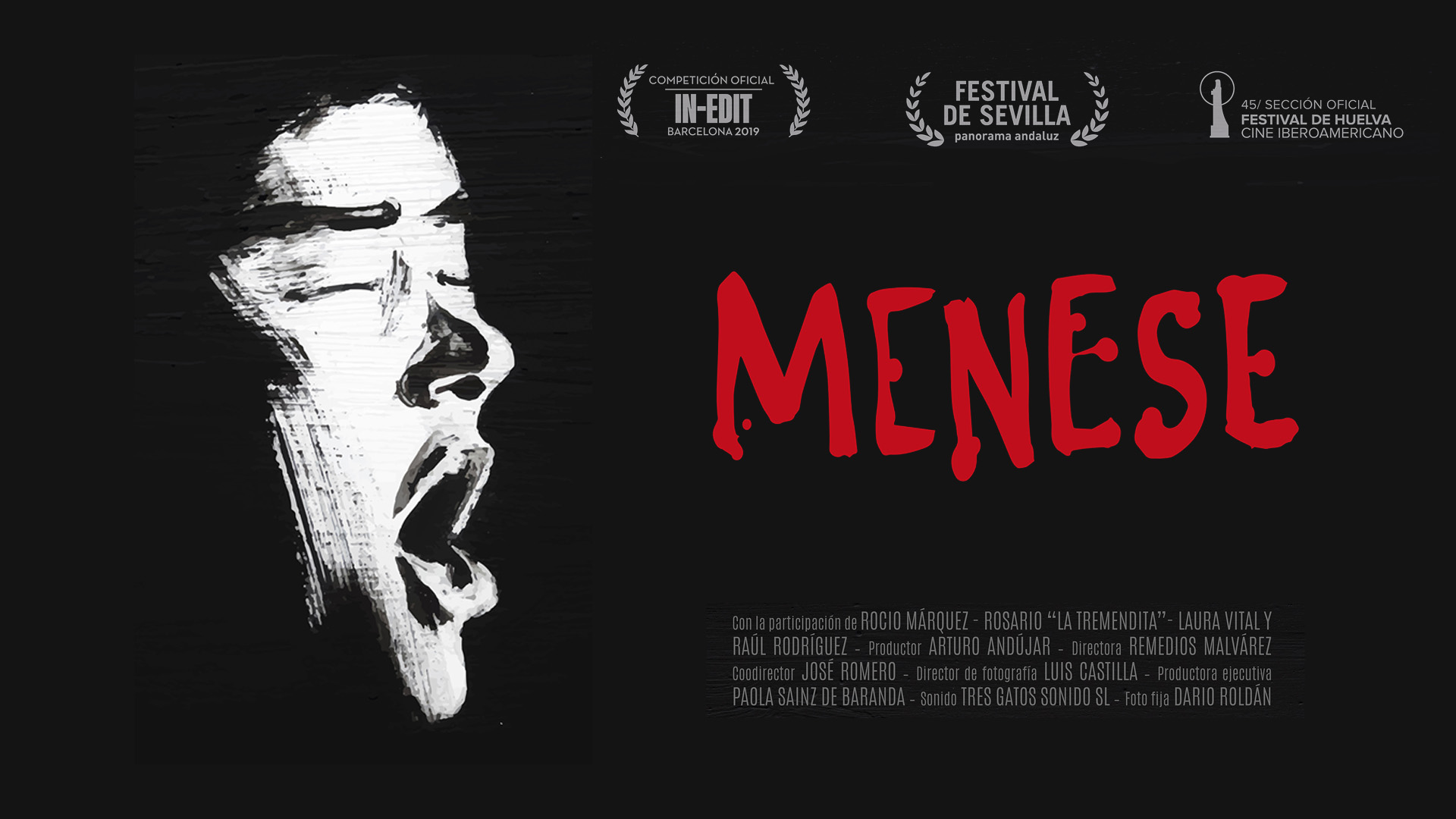
2) Morente. The Barber of Picasso — Flamenco, Avant-Garde, and Creative Freedom
Why watch it this month: because it reminds you that flamenco has always been porous: it blends with poetry, painting, the street, and ideas. This feature-length film revolves around Enrique Morente and an extraordinary musical project that dialogues with Picasso’s texts while also drawing from more traditional flamenco songs.
What you’ll find
-
Morente in his element: creator, explorer, profoundly flamenco.
-
A powerful tension between the classic and the experimental, without losing emotional depth.
Ideal for
-
Those drawn to flamenco that pushes boundaries while staying true to its core.
-
Anyone who enjoys seeing how tradition becomes a personal language.
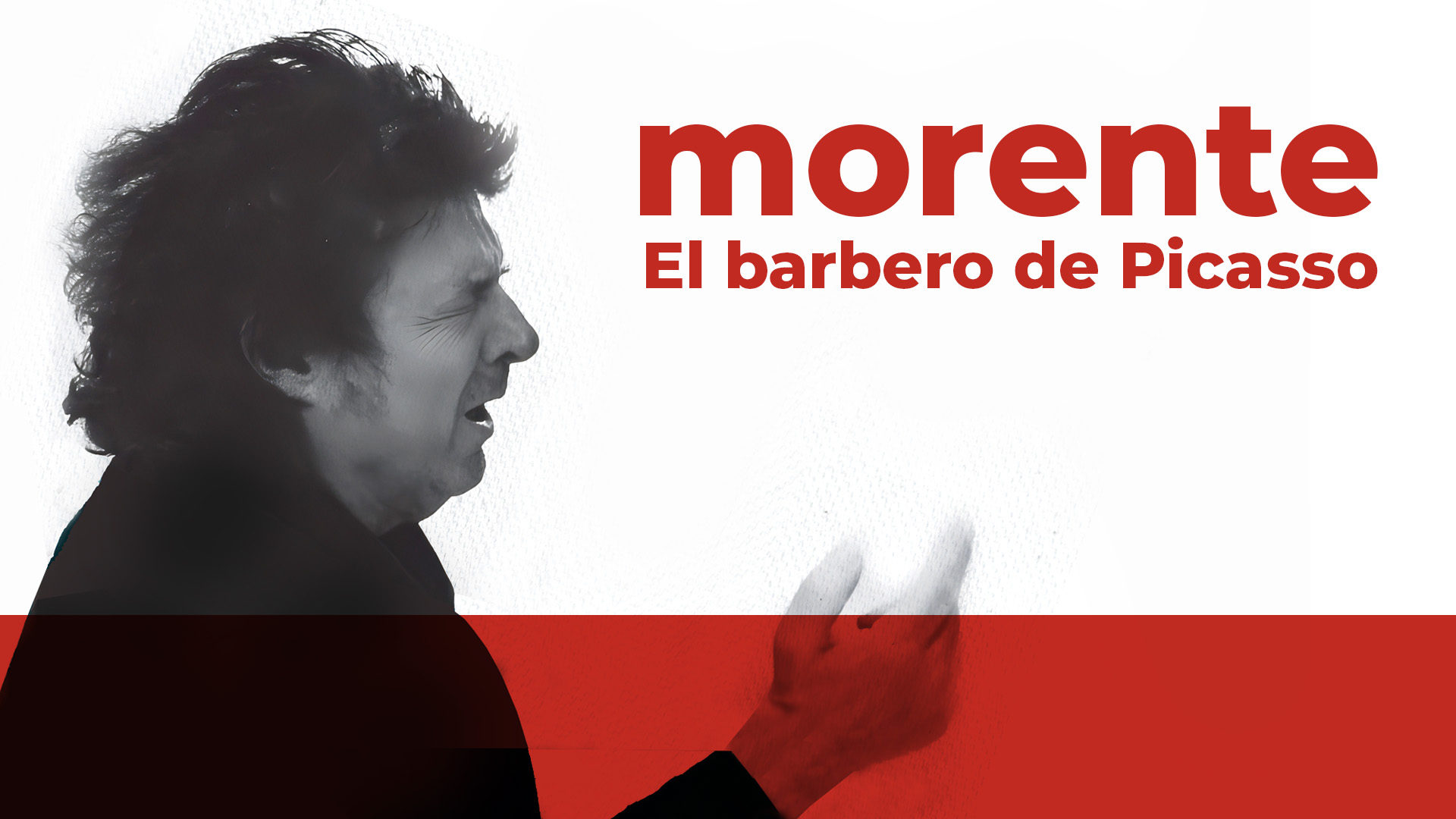
3) Club de Reyes — “El Johnny,” Madrid, and Culture as a Lifeline
Why watch it this month: because it’s cultural memory. This documentary dives into the activity of the San Juan Evangelista College (nicknamed “el Johnny”), a legendary space where music, generations, and audiences crossed paths. It reveals how a scene is built—through community, programming, and the energy of a place.
What you’ll find
-
A story about how scenes are made: spaces, people, and programming that shape culture.
-
The sense that flamenco also grew in real, unexpected venues—true meeting points, not clichés.
Ideal for
-
Viewers who like flamenco as social life, not only stage performance.
-
Anyone who loves documentaries that explain “how we got here.”
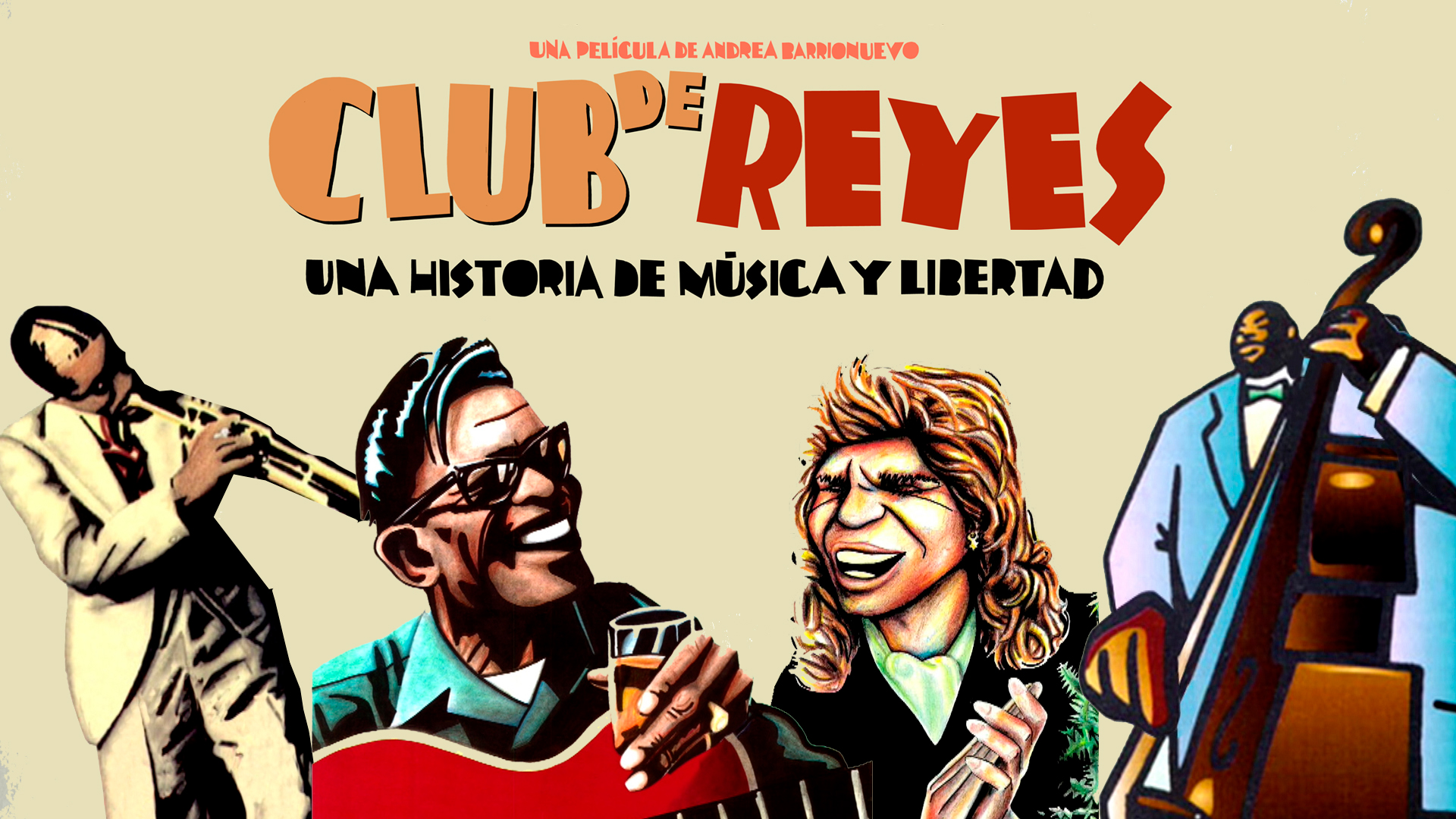
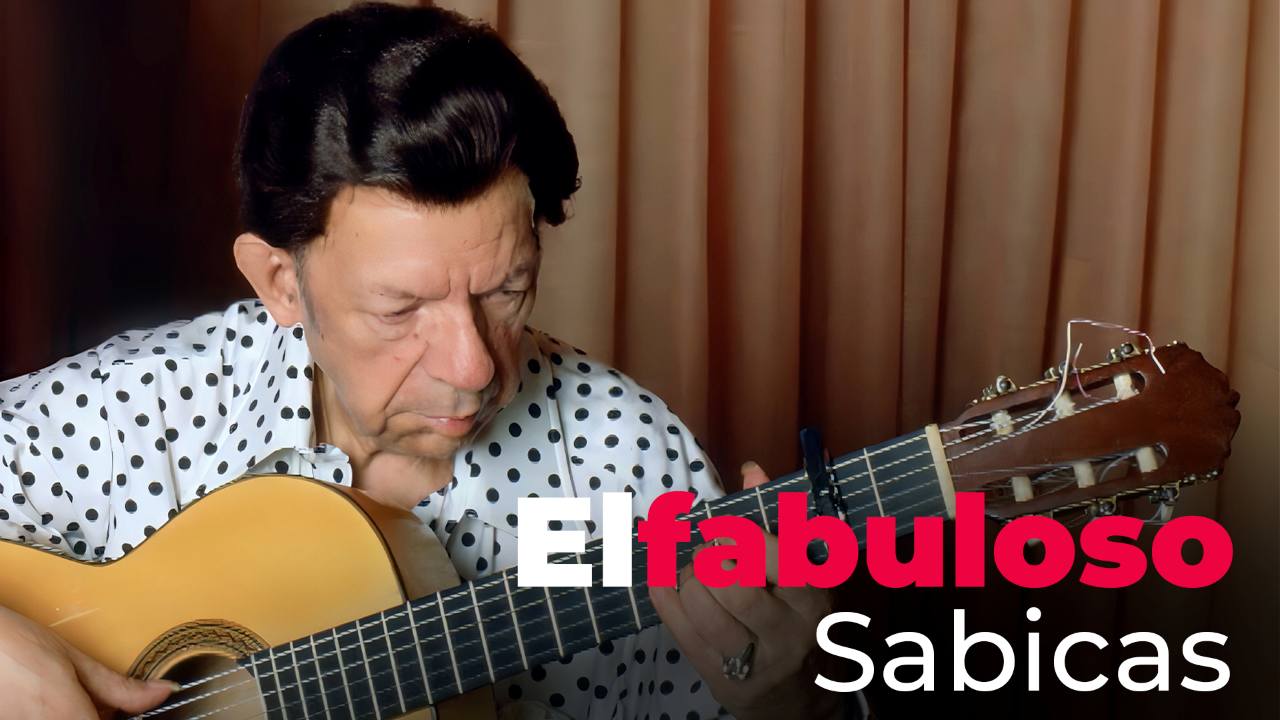
4) The Fabulous Sabicas — The Guitar That Helped Flamenco Travel the World
Why watch it this month: because Sabicas is one of those artists who changed the landscape quietly. A master guitarist whose playing helped expand flamenco’s horizons and placed the guitar in a leading role.
What you’ll find
-
A professional and personal journey that shows how guitar can be history.
-
An invitation to hear flamenco guitar as a main language, not just accompaniment.
Ideal for
-
Anyone building their personal flamenco “map” and starting with the foundations.
-
Viewers who love guitar that tells stories without words.
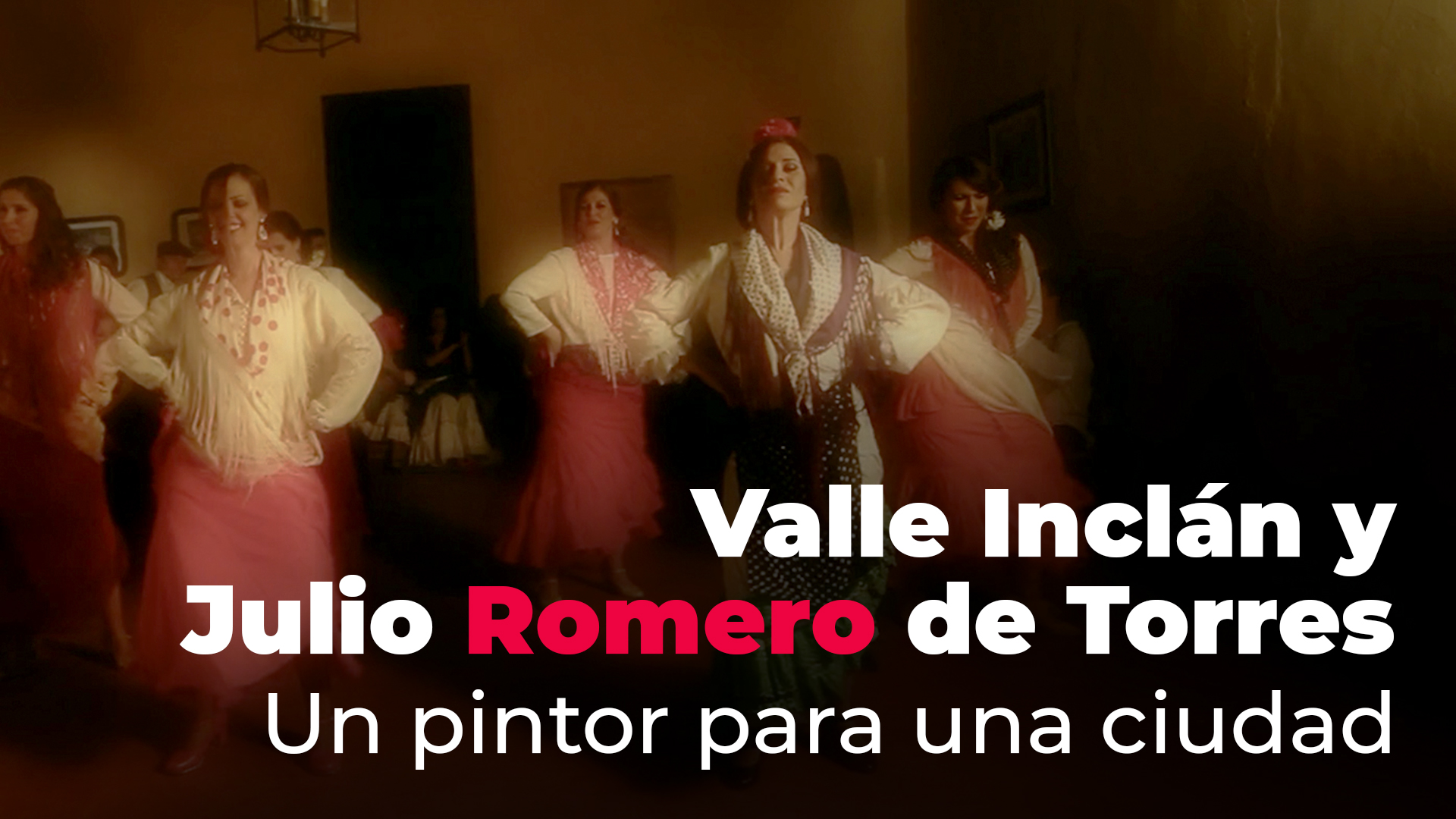
5) Valle-Inclán and Julio Romero de Torres: A Painter for a City — Córdoba, Muses, and Atmosphere
Why watch it this month: because flamenco doesn’t live in isolation: it intersects with literature, painting, the idea of “Andalucía,” and its symbols. This documentary explores the friendship between Valle-Inclán and Julio Romero de Torres in Córdoba, and the world of passion, models, and muses around the painter.
Ideal for
-
Those interested in cultural imagery and the aesthetics of an era.
-
Anyone wanting a more atmospheric title to complement a month of flamenco viewing.
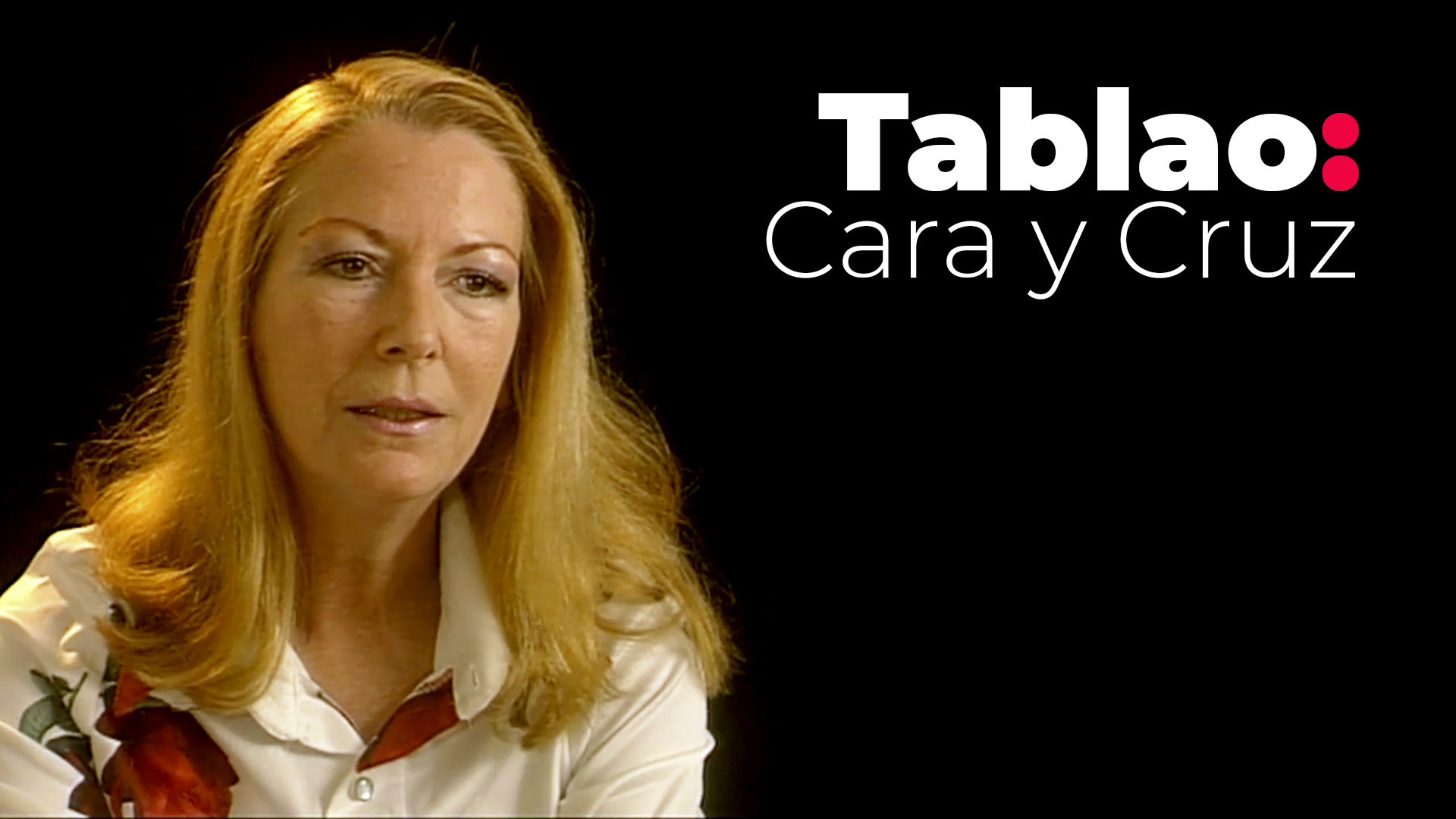
6) Tablao: Heads or Tails (Cara y Cruz) — What Happens After the Spotlight
Why watch it this month: because it shows the other side of the shine. Pilar Távora enters the world of tablaos and reveals the daily toughness of the artist’s life behind the party enjoyed by the audience.
What you’ll find
-
A human and social look at tablao life.
-
The contrast between applause and what sustains it: work, wear, resilience.
Ideal for
-
Viewers curious about flamenco as a profession and a lived reality.
-
Anyone who wants to understand the tablao beyond stereotypes.
📺 Where to Watch (Official ALL FLAMENCO options only)
🔸 Spain — ALL FLAMENCO TV channel (check your local operator)
🔸 France and Switzerland — Available via local operators (coverage may vary)
🔸 Global official streaming — allflamenco.net and the app.allflamenco.net platform: flamenco wherever you are, whenever you want
🎞️ And that’s not all. On ALL FLAMENCO you’ll find much more flamenco cinema, documentaries, and audiovisual treasures about artists, stories, and unique settings across the art of jondo.
Frequently Asked Questions (FAQ)
1) Where should I start on ALL FLAMENCO if I’m new to flamenco films?
If you’ve just arrived on ALL FLAMENCO, the best way to start is with a simple route that balances emotion and context. Begin with an artist portrait—ideally a documentary focused on a singer or guitarist—because it brings you into flamenco through the person: their character, sound, values, and the way they move through life. Then alternate with a title that shows flamenco as a craft and a working world (for example, a documentary about tablaos, touring, or professional realities). That second step is crucial, because it reminds you flamenco is not only inspiration: it’s also discipline, repetition, and endurance. Finally, add a film that connects flamenco to broader culture—painting, poetry, or a social scene—so you can see flamenco as part of a larger artistic ecosystem. In a few sessions your ear changes: you begin to notice details, intentions, and different ways of shaping emotion. The goal isn’t to watch “a lot,” but to watch well: choose carefully, listen deeply, and let each film guide you to the next.
2) Why are documentaries about tablaos so important for understanding flamenco?
Because the tablao is one of the places where flamenco becomes daily reality. It’s where art and work meet: schedules, pressure, physical demands, artistic negotiation, and—sometimes—moments of pure beauty that happen despite exhaustion. A strong tablao documentary shows that flamenco isn’t just a pretty aesthetic or a single inspired moment; it’s a profession with unspoken rules, stage codes, and economic realities that shape what artists can do night after night. Understanding that changes your perspective: applause stops being a casual gesture and becomes recognition of a real cost. Tablaos are also learning spaces—artists build stamina, refine timing, develop stage instincts, and test how freedom can live inside a structure designed for an audience. When you watch the tablao from the inside, you begin to understand compás as something lived, not theoretical, and you gain respect for the invisible labour that supports the visible magic.
3) How can I create a “mini flamenco festival” at home with these recommendations?
A simple and enjoyable approach is to plan four sessions (one per week) so each title has room to breathe. Session 1: an artist portrait rooted in cante—like MENESE—to enter through emotion and artistic identity. Session 2: a film about a major creator’s universe—like Morente—to see how tradition becomes personal language. Session 3: a documentary of cultural memory—like Club de Reyes—to understand how spaces and communities shape scenes. Session 4: a behind-the-spotlight look at the stage—like Tablao: Cara y Cruz—to close the month with a grounded, human view of the profession. Between sessions, try a small ritual: write down three things—one idea that stayed with you, one musical moment that moved you, and one question you want to explore next. That turns viewing into experience, not fast consumption. And when you return to the ALL FLAMENCO catalogue, you won’t be choosing blindly—you’ll be choosing with curiosity, criteria, and a deeper appetite to discover.