
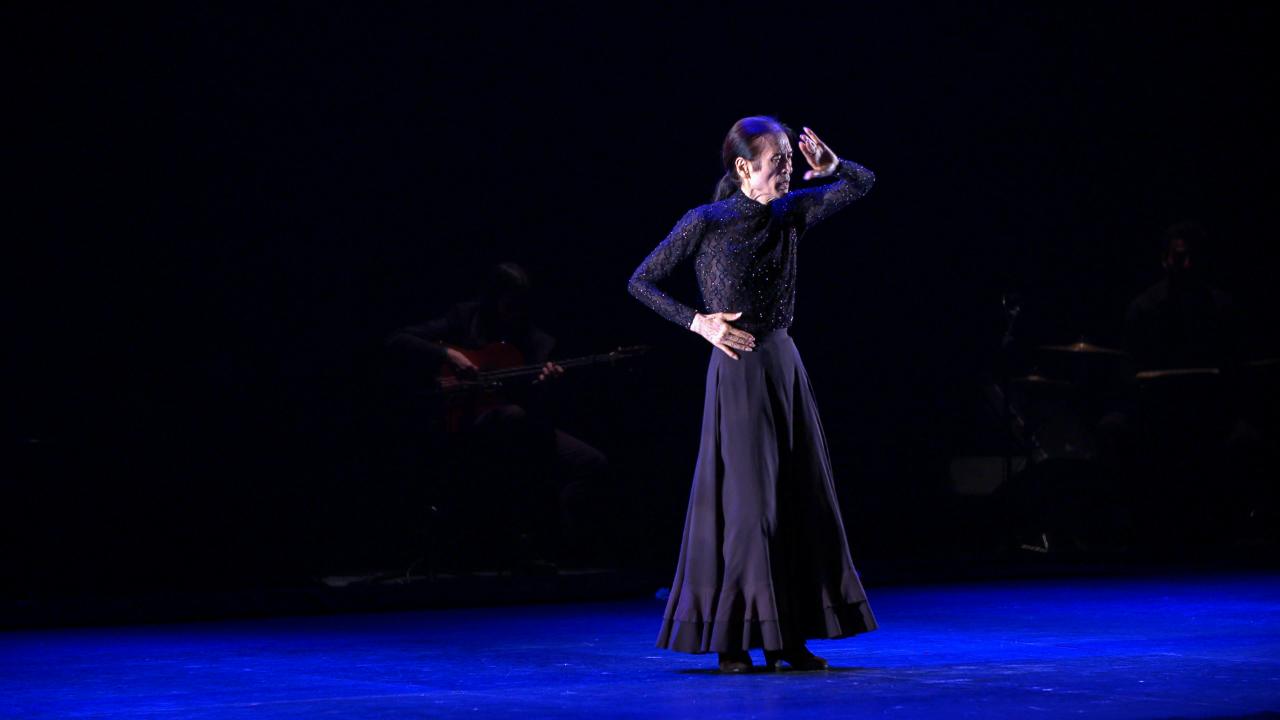
What began as an exotic curiosity for a few Japanese enthusiasts fascinated by Andalusian culture has grown, decades later, into a story of passion, respect, and deep emotional connection. Flamenco in Japan is not only thriving—it’s evolving and expanding, driven by a vibrant and respectful community. This is the story of a mutual love that continues to flourish on the stages of Tokyo, Osaka, and Kyoto, with a jondo accent and a Japanese soul.
Roots of Fascination: The First Encounters
Flamenco arrived in Japan during the 20th century, especially after World War II, when foreign performing arts began to spread as part of global cultural exchange. The first flamenco performances on Japanese soil left an indelible mark: the emotional power, expressive intensity, and aesthetics of flamenco resonated deeply with the Japanese artistic sensibility, particularly among artists, intellectuals, and theatre lovers.
The Boom of the 80s and 90s: Dance Schools, Tours, and Devotion
In the 1980s and 1990s, flamenco experienced a true boom in Japan. Legendary dancers like Antonio Gades, Cristina Hoyos, and Sara Baras brought unforgettable performances to Tokyo and beyond. Meanwhile, flamenco dance schools and academies began to appear across the country, led by both resident Spanish artists and Japanese dancers trained in Spain.
This period built a solid flamenco scene that now boasts hundreds of schools, peñas, tablaos, and festivals. Flamenco ceased to be a trend and became a lifelong passion.
Japanese Flamencos: Artists Conquering Spain
Japan doesn’t just consume flamenco—it exports it. Japanese artists such as Yoko Komatsubara, Shoji Kojima, Masami Okada, and guitarist Kazuma Fujimoto have earned respect on the Spanish flamenco circuit. Their rigorous training, reverence for tradition, and discipline have made them ambassadors of a cultural fusion that feels genuinely authentic.
TOKIO JONDO: A Flamenco Portrait in the Heart of Japan
ALL FLAMENCO presents TOKIO JONDO, a must-watch documentary to understand the depth of this cultural connection. Filmed in Tokyo, this audiovisual gem follows the stories of Japanese bailaoras, guitarists, and singers who have made flamenco their way of life. With intimate interviews and electrifying performances, “Tokio Jondo” shows how jondo beats strong on the other side of the world.
Available on the ALL FLAMENCO channel, it’s a moving and insightful window into Japan’s flamenco soul. Watch on ALL FLAMENCO
A Japanese-Flavored Flamenco: Styles, Schools, and Trends
Although rooted in traditional codes, Japanese flamenco has developed its own distinct style—technically polished, deeply respectful of rhythm, and visually elegant. Renowned schools like Studio Candela (Tokyo) and Arte Y Solera have trained generations of artists. Meanwhile, festivals such as the “Japan Flamenco Festival” have become key gatherings for the flamenco community.
Connections with Spain: Travel, Scholarships, and Collaborations
Every year, dozens of Japanese students travel to Spain to train in flamenco’s homeland—cities like Seville, Jerez, or Madrid. Institutions like the Cristina Heeren Foundation or the Andalusian Dance Center welcome highly skilled Japanese students. These cultural exchanges deepen ties and ensure traditional yet innovative training.
The Future: Japanese Flamenco with Its Own Voice
Far from being a passing fad, flamenco in Japan has taken strong root. The new generations of Japanese artists are not just performers—they’re creators, offering original choreography, musical fusions, and stage proposals that broaden the jondo spectrum. Thanks to digitization, social media, and global platforms like ALL FLAMENCO, the flamenco bridge between Japan and Spain is stronger than ever.
Frequently Asked Questions (FAQ)
Why is flamenco so successful in Japan?
Flamenco connects with key aspects of Japanese sensitivity: artistic discipline, the pursuit of ephemeral beauty, and emotionally contained expression. Traditional Japanese theatre (Noh, Kabuki) and classical dance share parallels with flamenco’s theatricality. Respect for mastery, community, and spirituality also create common ground.
What does the documentary TOKIO JONDO contribute to the understanding of Japanese flamenco?
TOKIO JONDO is a valuable tool for exploring flamenco through an intercultural lens. It gives voice to the Japanese protagonists of flamenco, sharing their motivations, training journeys, and the challenges they face. Through rehearsals, classes, and real performances, the documentary delivers an immersive and moving experience.
How can flamenco from Japan be watched from Spain or other countries?
Thanks to platforms like ALL FLAMENCO, you can watch flamenco content from anywhere in the world. From “Tokio Jondo” to performances by Japanese artists at Spanish festivals, the channel offers a premier showcase of this cultural fusion.
Where can flamenco be learned in Japan?
Cities such as Tokyo, Osaka, Nagoya, and Kyoto host leading academies. Some of the most recognized are Studio Candela, Arte Y Solera, and Luna Flamenca. Many Spanish masters also offer regular or intensive workshops in Japan, ensuring high-quality training.
Are there Japanese artists recognized in Spain?
Yes. Pioneers like Shoji Kojima, who has lived in Madrid for decades, have led the way. Dancers like Yoko Tamura and guitarist Kazuma Fujimoto are also prominent. Their presence in tablaos, festivals, and major stages proves that flamenco knows no borders when performed with authenticity.
Discover more about TOKIO JONDO and international flamenco on ALL FLAMENCO